This interview delves into the evolution of risk management practices, and the distinction between traditional and modern approaches to risk management.
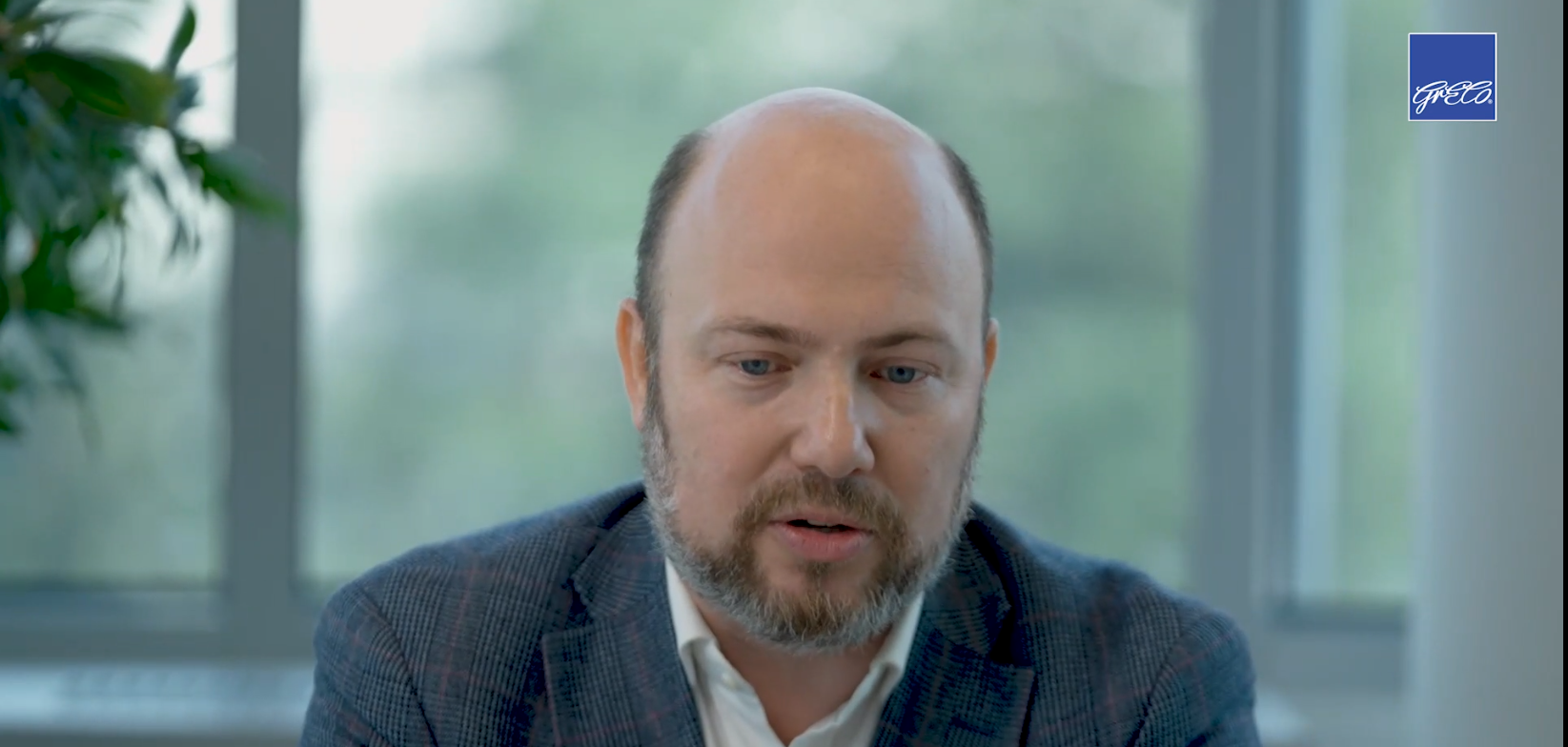
In this insightful interview, we sit down with Alex Sidorenko, a distinguished risk management professional who has over 15 years of experience in the field. Having worked in multi-billion corporations across various industries and continents, he has established himself as a thought leader in the new generation of risk managers. Alex is the founder of Risk Academy and the organiser of Risk Awareness Week, initiatives that have significantly contributed to the advancement of risk management practices globally.
His journey began as one of the first graduates with an undergraduate diploma in risk management in Australia, despite the initial scepticism from the academic faculty. With a strong foundation in statistics, he has seamlessly integrated quantitative analysis into his risk management approach. His career trajectory includes co-authoring global risk methodologies and transitioning from consulting to practical business applications, where he encountered and overcame significant challenges.
This interview delves into the evolution of risk management practices, and the distinction between traditional and modern approaches to risk management. It also explores the practical applications of quantitative analysis in risk management and the impact of AI on the field.