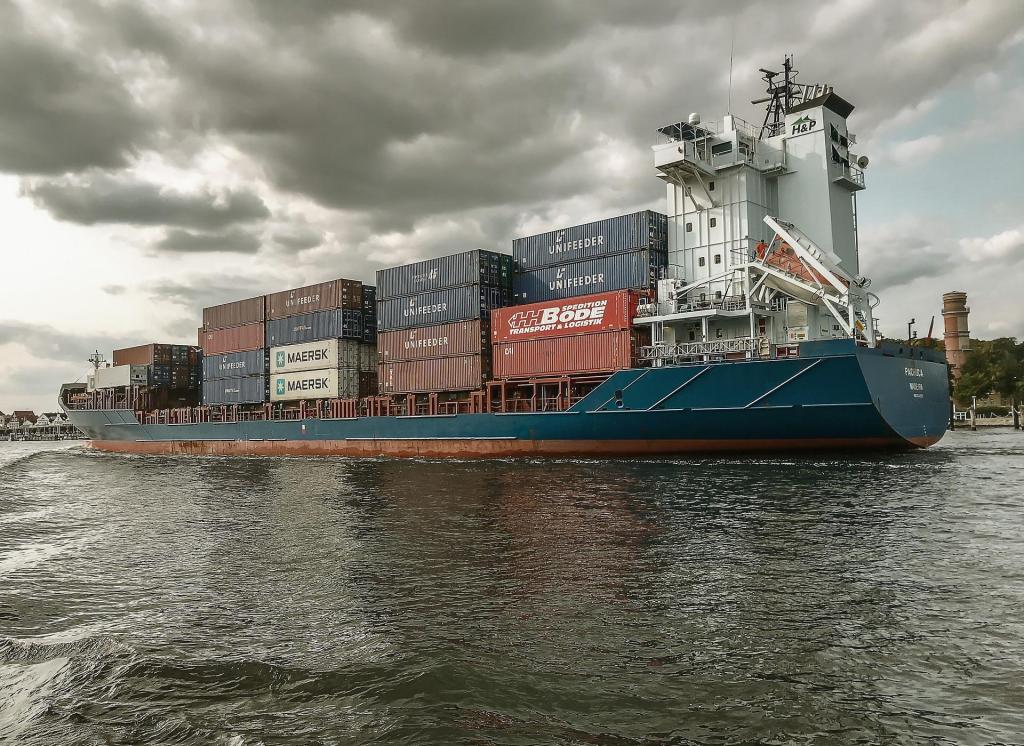
Geopolitical change, characterised by an economic bloc having been established between the USA and China, has put free world trade to the test. It also shows, by looking at Russia’s invasion of Ukraine, just how quickly a system conflict, which we thought had been settled between the democratic and autocratic world, can be reignited. All that, exacerbated by global events, like the Covid-19 pandemic, puts pressure on the availability of energy resources, disrupts supply chains and leads to a global wave of price hikes that challenge governments, businesses, and the civilian population alike.
As a result of the geopolitical change, companies had to explore new markets and new sources for raw materials and find new ways of attracting both customers and suppliers, while keeping a watchful eye on possible dangers. Although the currently rising energy prices still paint a different picture, supply chains can be shortened through nearshoring. This could very well result in a wave of reindustrialisation in Europe.
We are undergoing times of permanent change, which many refer to as systemic transformation or multiple crises strung together. This change takes place in different fields and segments. They, in turn, are interlinked at various levels. HORIZON’s risk-oriented approach aims to define and outline the key areas of change affecting your company. In doing so, we take a close look at the systemic influences of ecological, geopolitical, technological and social transformation on your company’s risk landscape.
Read what our risk expert had to share regarding the future of geopolitical risks in front of us.