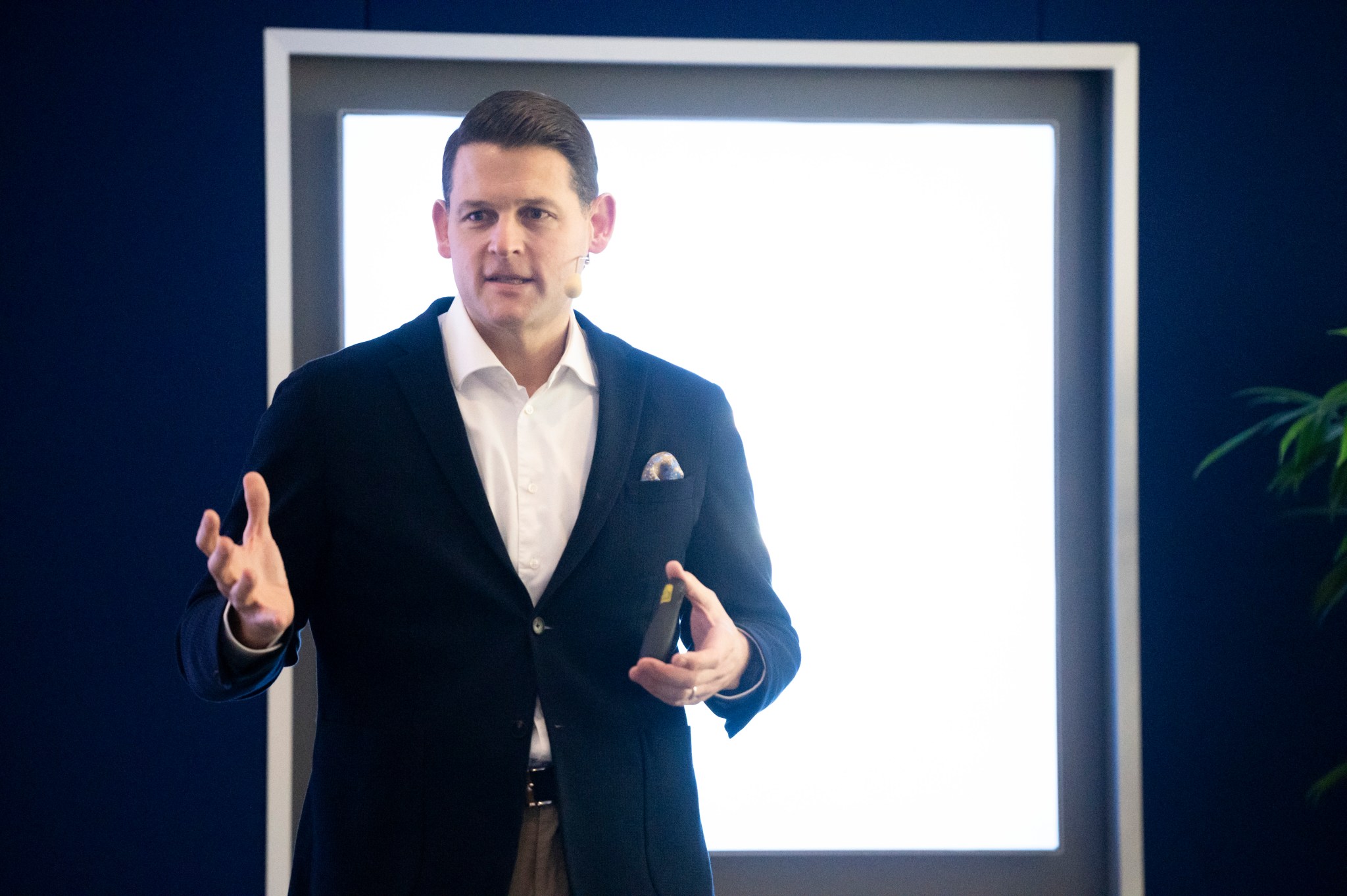
Georg Winter, CEO of the risk and insurance consultancy GrECo, talks about underestimated risks, strategic precautions and why waiting is the riskiest strategy.
This interview was first published in German at trend.
trend: Mr. Winter, you say that risk management is more than regulation. Where do you see the biggest misunderstandings at the moment?
Winter: Many companies still see risk management as a chore. This is no longer just about legal requirements. If you focus purely on compliance, you lose sight of the big picture – namely the question: How do I make my business model future-proof? Climate crisis, geopolitical tensions or technological upheavals are real risks, whether they are covered by regulation or not. Our goal is to help companies proactively manage these risks – not just out of duty, but out of conviction. Current global developments require a new understanding of responsibility.
trend: Which risks are most often underestimated?
Winter: : Abstract risks. In other words, risks that have not yet occurred or seem difficult to grasp. Climate change is a good example: the urgency is well known, but many find it difficult to invest today if the effects will only become visible in decades. This is understandable from a human point of view, but it is entrepreneurially risky. The same applies to technological developments: Anyone who sees digitization or AI only as an IT topic fails to recognise the strategic consequences for business models, value-added processes or supply chains. In addition, it has been shown time and time again that as soon as companies have experienced a risk themselves – for example through flooding, cyber attacks or supply disruptions – the willingness to take structured countermeasures increases. But those who only react when there is a fire lose the decisive advantage.
trend: How can risk management be strategically anchored in companies?
Winter: By not remaining hidden and sealed off in silos (departments), but by becoming a management task. Risk management is a strategic management tool and not a purely compulsory programme. We work with many companies to set up risk management in a future-oriented way – in other words, to analyse not only what is a danger today, but also what could jeopardise tomorrow. In doing so, we look together, for example, at technological roadmaps or future decarbonisation in sectors such as the construction industry. Those who ask these questions today create room for manoeuvre tomorrow. Risk management only becomes strategic when it is linked to business planning and business development.
trend:The Omnibus Regulation has eased ESG reporting obligations. Progress?
Winter: Less bureaucracy is to be welcomed in principle; but the danger is that companies are lulled into a false sense of security. Less reporting does not mean less risk. I believe that we need incentives right now to promote sustainable economic activity. The transformation must be worthwhile – and this cannot be achieved through regulations alone, but through strategic foresight. It would be a mistake to rely on regulatory relief instead of actively shaping the topic of sustainability as an opportunity for the future.
trend: What advice do you have for companies that want to sit back now?
Winter: The train has long since left. Anyone who believes that they do not have to deal with sustainability, climate resilience or supply chain risks will not be able to survive in the medium term. It’s not about regulations – it’s about one’s own economic future. If you act early, you can even turn it into a competitive advantage. It is crucial that companies recognise that sustainability means not only ecological responsibility, but also economic resilience. If you invest today, you will avoid expensive adjustments under pressure tomorrow.
trend: What risks are your customers currently most concerned about?
Winter: The topic of geopolitics is definitely the most explosive at the moment because it is so difficult to calculate. Many of our customers are concerned about the security of supply, trade conflicts, but also polarisation tendencies in society and politics. The geopolitical cocktail – fuelled by social, technological and climate factors – will remain a key risk driver in the coming years. In addition, social media often acts as an accelerant for instability. These relationships are often still underestimated in classic risk analyses.
trend: And what about technological risks around AI, cloud or blockchain?
Winter: They have long been part of reality. Companies must ask themselves whether their business model can cope with these changes and whether this will result in new opportunities or new dependencies. We support them in analysing scenarios and assessing their own risk-bearing capacity. Because resilience also means being prepared before it becomes critical. We see a lot of potential, especially in SMEs, to use the pressure to transform as an opportunity – for example, through targeted adaptation of processes and products.
trend: Stakeholders also increasingly expect companies to take responsibility. How does this manifest itself in risk management?
Winter: Risk management does not only affect one’s own balance sheet. It is also about trust from customers, suppliers, employees and investors. Anyone who engages in single-sourcing, for example, must be aware of the consequences if a supplier fails. Active risk management is crucial, especially in global supply chains based on the division of labour. Not only to avoid failures, but also to be perceived as a reliable partner. This is increasingly also true in the ESG context: If you want to do business sustainably, you also have to take responsibility along the entire value chain.
trend: What does it actually mean when you say that GrECo is a strategic partner to its customers?
Winter: In the past, it was mainly about brokering insurance solutions. Today, it’s all about managing risks – a strategic approach that GrECo has been consistently pursuing for years. We analyse which risks exist, which can be avoided, reduced or transferred – and which should be consciously borne by oneself. From this, we develop tailor-made strategies that not only optimize costs, but also ensure long-term stability. Models are used that map all the risk costs of a company – from the sprinkler system to the equity burden.
trend: Can you give an example of how you support a company with climate-related risks?
Georg Winter: A customer wanted to decide where to expand into a new location. Together, we examined how natural hazards such as floods or drought will develop in the coming decades – on the basis of climate models. It became apparent that a location that is not critical today could become problematic in the future. Such findings are incorporated into investment decisions – as well as into risk mitigation measures. At the same time, we are also examining whether the planned switch to more climate-friendly production methods entails new risks – for example in terms of product liability. This holistic view is essential.
trend: What advice do you have for companies that have previously treated risk management as a “mandatory programme”?
Winter: Understand it as an investment in the future viability of the company and not as a cost factor. Every entrepreneurial activity is associated with uncertainty. Risk management helps reduce this uncertainty and make better decisions. It is about resilience in three dimensions: financial, strategic and structural. Those who identify risks at an early stage and actively address them have a clearer picture of their own options for action and make better decisions.
trend: What risks do you see on the horizon that are still underestimated today?
Winter: The big challenge lies in the combination: geopolitical instability, technological disruption, social division, and the climate crisis – all of which work together. Polarisation is increasing, as is the competition for resources and prosperity. These developments will not suddenly disappear – they are here to stay. Companies must learn to deal with this uncertainty. This requires not only analytical skills, but also the courage to change and take long-term responsibility.
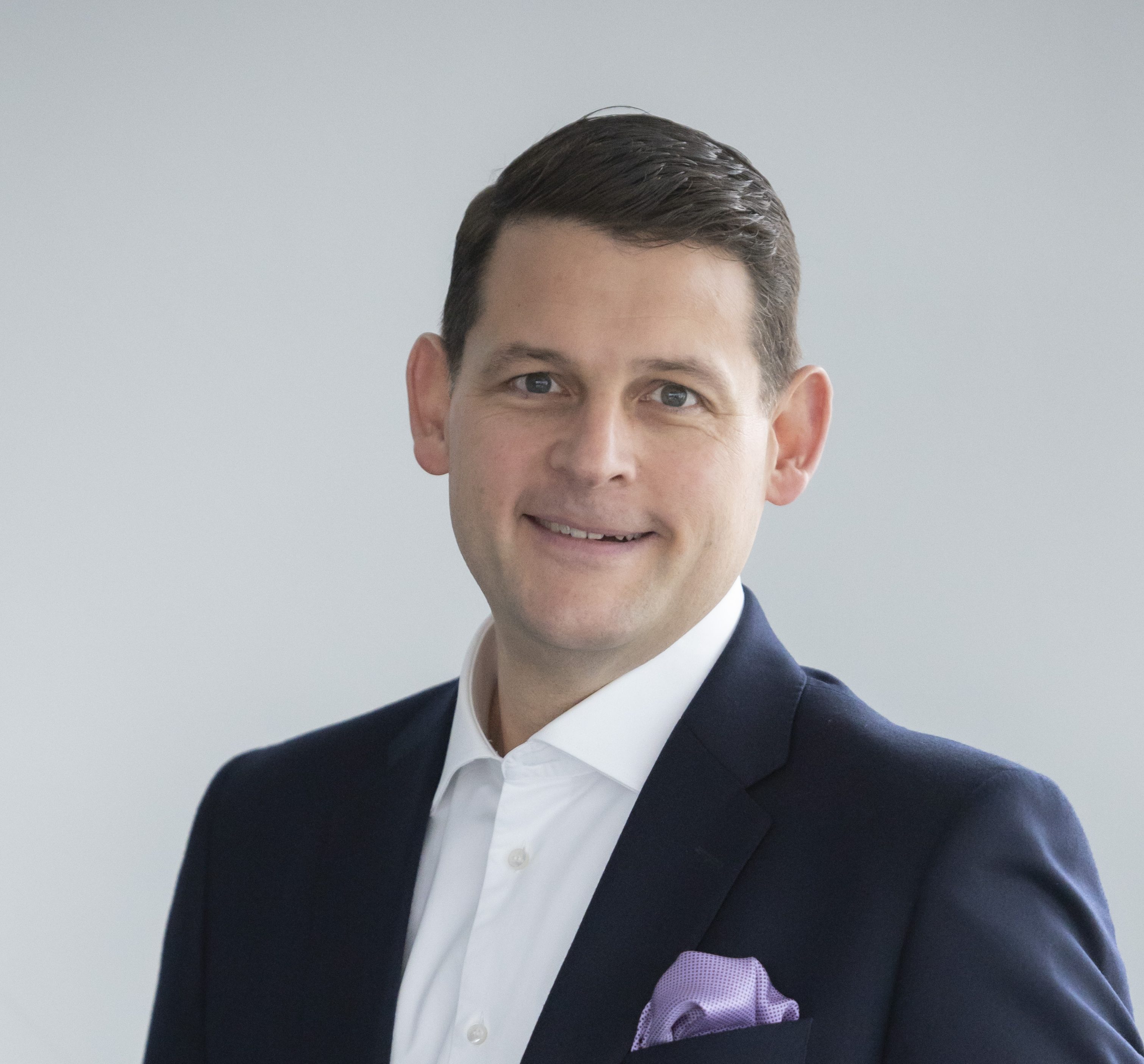
Georg Winter
CEO GrECo Group
T +43 664 962 39 06