
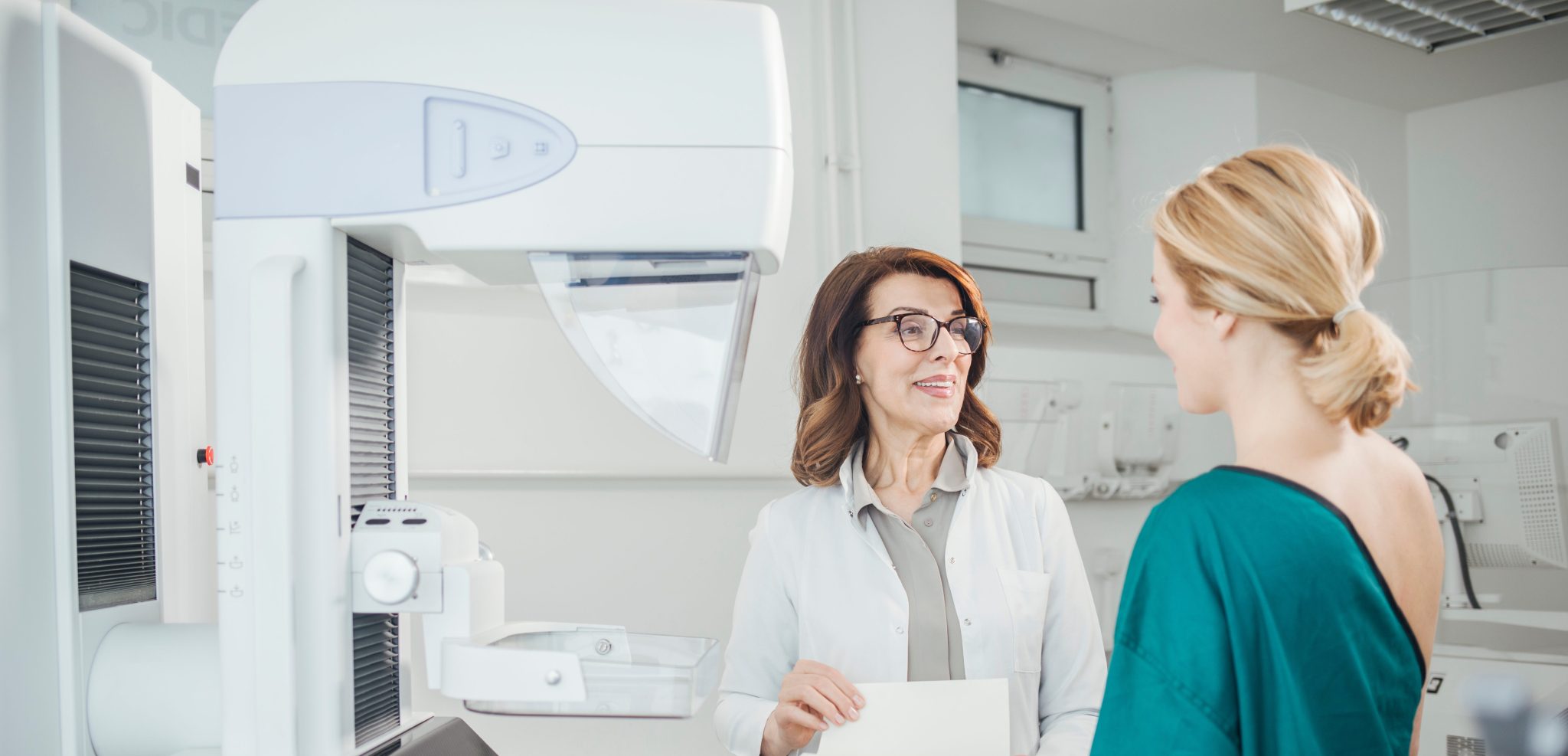
The National Health Fund’s prevention programmes are crucial for early detection of diseases and prevention of their development, while private medical care offers more comprehensive and faster health care.
According to the reports of the National Cancer Registry, cancer is one of the most serious health problems in Poland. About 170 thousand new cases of malignant cancer are diagnosed annually. Unfortunately, the number of deaths due to cancer is also high, amounting to over 100 thousand per year. Currently, over 1.17 million Poles live with cancer.
Cancer is the second most common cause of death in Poland, accounting for about 25% of all deaths.
Prevention programmes under the National Health Fund
The National Health Fund (NFZ) offers a number of prevention programmes that are aimed at early detection and prevention of cancer. The most important programmes include:
Why is access to private medical care in Poland necessary?
Private medical care packages have become a common and valued benefit element in Poland. More and more employees appreciate access to fast and comprehensive health care, which translates into their satisfaction and loyalty to the employer.
According to a report by Benefit Systems, more than 60% of employees consider private healthcare to be a key factor when choosing an employer.
Employers also see the benefits of offering such packages that help reduce sickness absenteeism, increase employee motivation and engagement, and build a positive image of the company.
With private medical packages, companies can attract and retain talent in a competitive job market, which is especially important today. And although the National Health Fund’s prevention programmes are extremely important and effective, access to private medical care is essential to provide fast and comprehensive health care. We did a comparison:
Preventive programmes of the National Health Fund:
Private medical care
Perfect Partners
In conclusion, the National Health Fund’s prevention programmes are crucial for early detection of diseases and prevention of their development, while private medical care offers more comprehensive and faster health care, which may be necessary in the case of more serious diseases or the need for specialised diagnostics and treatment.

Edyta Nowak-Skawska
Head of the Health & Benefits Department
GrECo Poland
T +48 882 366 293