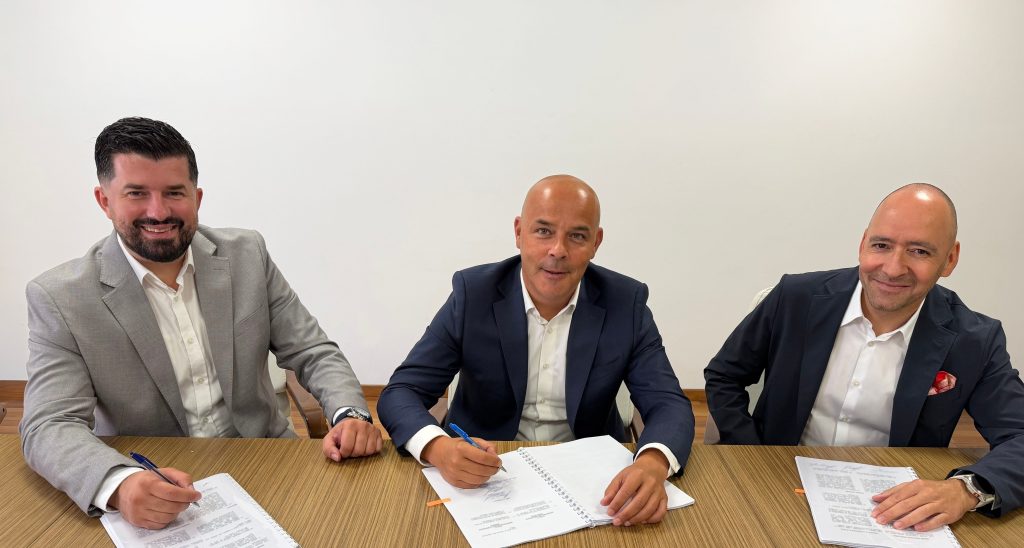

In Slovakia, geopolitics is no longer a background condition. It has become a permanent operating reality shaping investment decisions, supply chains, access to capital, and the cost of remaining competitive. Paul Johannes Spittau, Head of Group Carrier Relations & Insurance Mediationat GrECo Group, speaks with Martin Tkáč, General Manager of GrECo Slovakia, about why leaders can no longer rely on precedent, and what matters instead.
A permanent state of uncertainty
Spittau: Which global forces will matter most for Slovak companies between now and 2030?
Tkáč: Geopolitical and regional tensions are now embedded in every major business decision. They influence not only where companies invest, but how they source, produce, and distribute. The uncertainty is structural, not cyclical. For many organisations, independence will depend on how well they manage these pressures; often by joining forces, whether through partnerships, alliances, or mergers and acquisitions.
Why Slovakia feels the pressure first
Spittau: What makes Slovakia particularly exposed in this environment?
Tkáč: Slovakia is highly dependent on external factors. The availability and pricing of key inputs – energy, raw materials, fertilisers – have become volatile, despite once being taken for granted. Export demand, particularly from the EU, remains critical to GDP, while services, although growing, still play a limited role. Access to funding, for both the public and private sectors, will also become more challenging as inflation and debt levels rise.
Leading without a playbook
Spittau: How are geopolitics, macroeconomics, and operational dependencies reshaping corporate risk?
Tkáč: What we are seeing has no real historical precedent in terms of complexity. There is no established playbook to follow. Success increasingly depends on rigorous analysis, scenario thinking, and the ability to adapt quickly as conditions change. Data is essential; but the real differentiator is judgement: understanding which information matters for which decision, and over what time horizon.
Market under strain
Spittau: What does this mean for risk transfer and insurance markets?
Tkáč: After several years of a hard market, there have been signs of stabilisation. However, this remains fragile. If global crises persist, renewed pressure on capacity, pricing, and underwriting appetite is likely, particularly for contingent business interruption, marine, political risk, trade credit, and cyber-related exposures.
Spittau: Where is strategic investment shifting and why does it matter?
Tkáč: Reshoring is driven by two opposing forces: cost efficiency and uncertainty about access to products and services. Political and technical disruptions have made domestic or regional options more attractive, even when they come with disadvantages. As a result, diversification and regional alliances are becoming prerequisites for resilience.
Lead with intent
Spittau: Which rules of the game must leaders understand better?
Tkáč: Sanctions, trade controls, energy policy, and investment screening increasingly define what is possible – often beyond the influence of individual companies. For open economies like Slovakia, success depends on recognising these constraints early and responding with flexibility and strategic foresight.
Spittau: What is the single most important message for leaders?
Tkáč: Uncertainty is now a constant. Organisations that succeed will be those that invest in understanding their exposures, challenge outdated assumptions, and act decisively when conditions change. There may be no playbook, but there is still a choice between reacting under pressure and leading with intent.
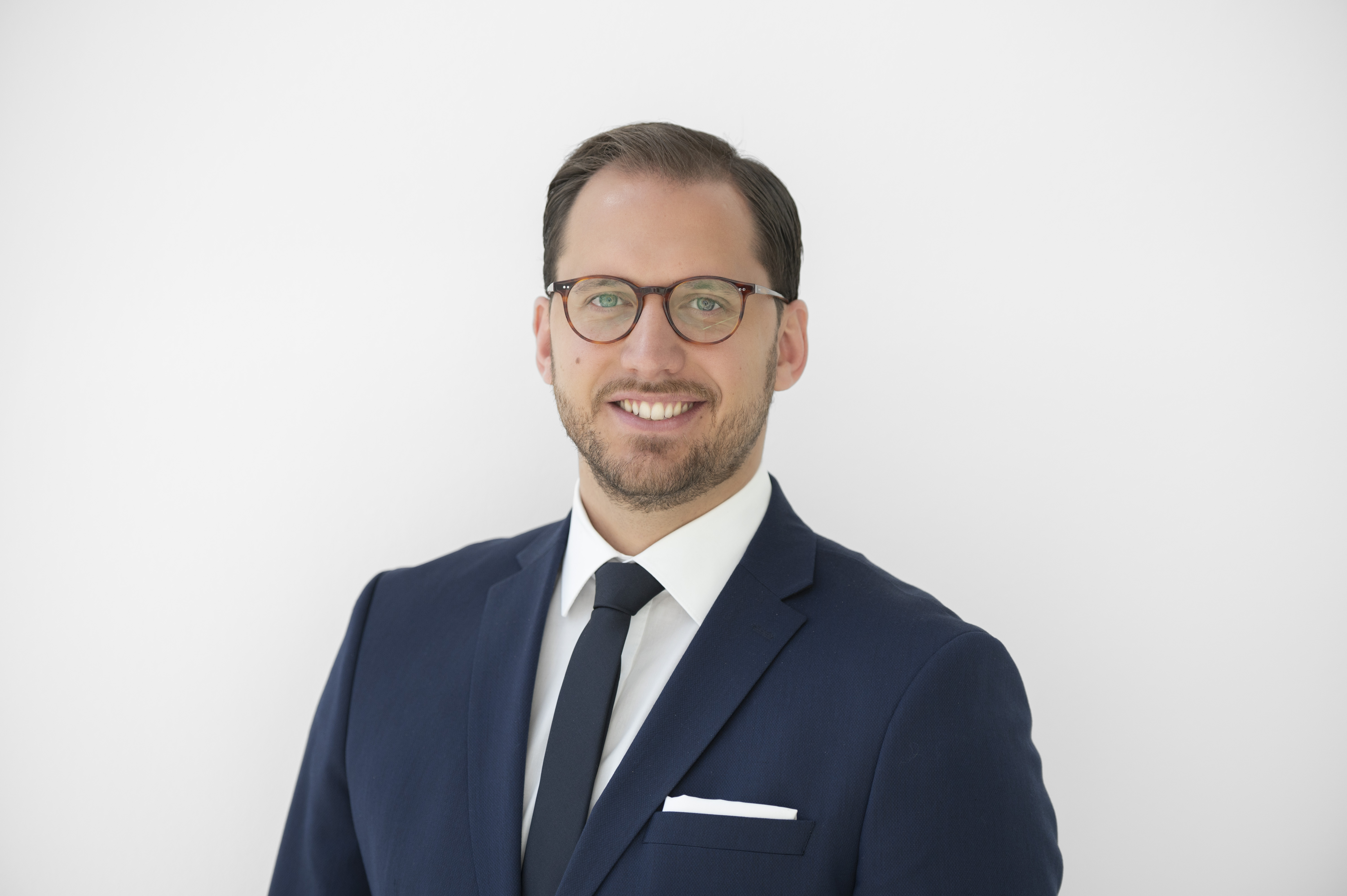
Paul Johannes Spittau
Head of Group Carrier Relations & Insurance Mediation
T +43 664 537 17 42
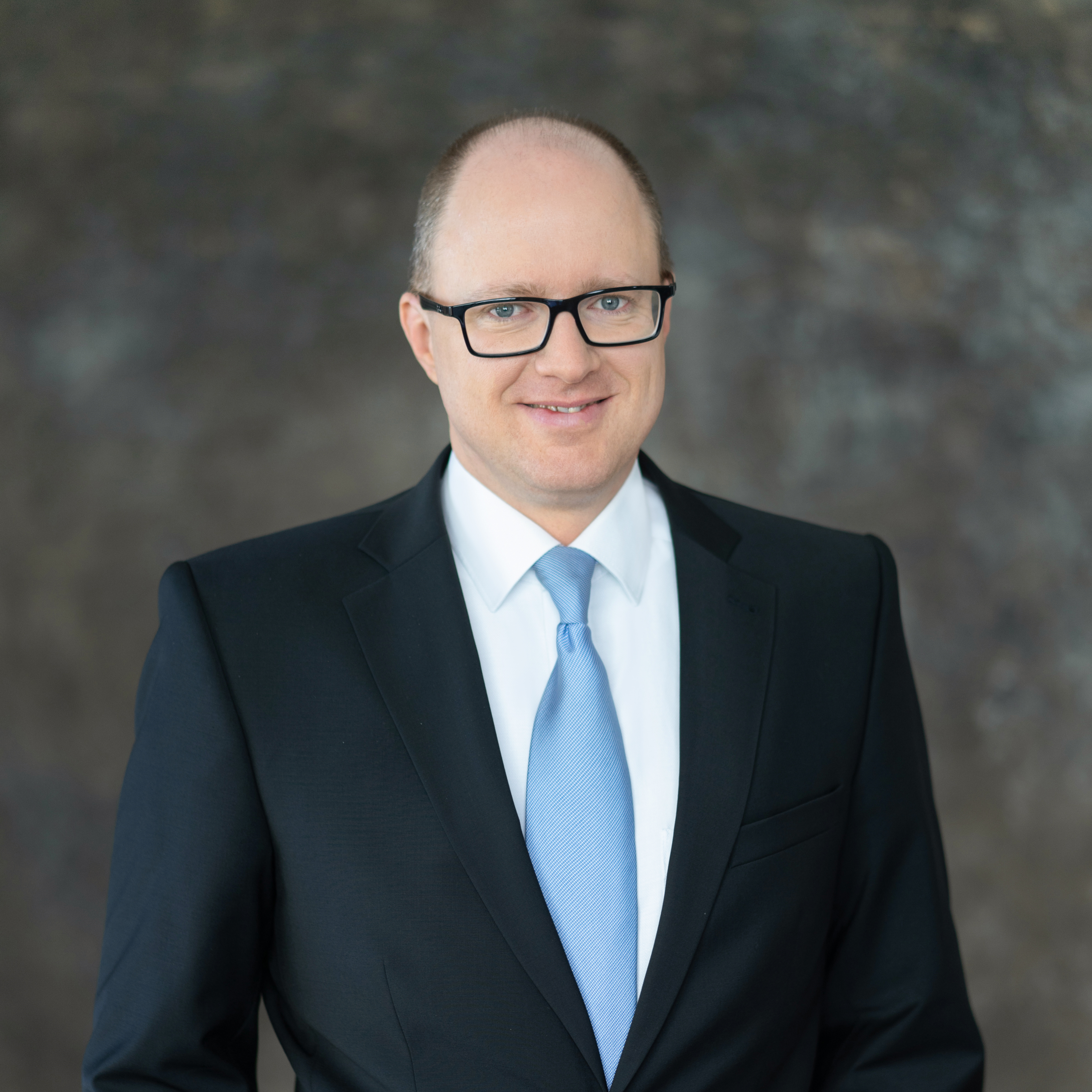
Martin Tkáč
General Manager
GrECo Slovakia
T +421 948 734 009