Paul Johannes Spittau, Head of Group Carrier Relations and Insurance Mediation at GrECo International, speaks with Damir Pelak, General Manager of GrECo Slovenia, about the forces shaping corporate risk, insurance market conditions, and the advisory and data capabilities companies will need through 2030.
The big three: Geopolitics, energy security, and reshoring
Spittau: Which global megatrends will matter most for Slovenia between 2026 and 2030?
Pelak: Geopolitical tensions are the most predominant. Russia–Ukraine, conflicts in the Middle East, and the USA–China strategic rivalry are creating a “permanent uncertainty” that quickly spills into a small, open EU economy like Slovenia.
Energy security and price volatility are also having a major impact: Slovenia still imports around 50% of its energy and key transition, such as the phasing-out of coal, renewables expansion, and the debate on a second unit at Krško, are moving too slowly.
Supply‑chain fragmentation and reshoring is also going to have a significant impact. Slovenia’s location, the Port of Koper and industrial base create near‑shoring potential, but only if labour skills, energy costs and infrastructure remain competitive.
Systemic risk and insurance
Spittau: How are geopolitics, macroeconomic pressures and supply‑chain dependencies reshaping corporate risk in Slovenia?
Pelak: Slovenia’s openness makes it susceptible to global shocks, including energy prices, transport disruptions, export demand shifts, sanction enforcement, and financial conditions. These risks are increasingly systemic: energy volatility alters production costs and business interruption outlooks, geopolitical tensions add sanctions and marine disruption threats, and concentrated supply chains amplify external issues into operational losses that aren’t always fully insurable.
Spittau: What does this mean for pricing, capacity and coverage conditions across key lines?
Pelak: Insurers are pricing volatility rather than stability. Property and business interruption remain firm with tighter wordings and higher deductibles; liability is hardening on wage and claims inflation; marine capacity moves with geopolitical events; political risk is narrower and more selective; and trade credit is more dynamic, with faster limit changes and lower tolerance. Local carriers also struggle to provide higher sums insured for cyber and commercial crime. Overall, appetite depends less on past losses and more on resilience, transparency and preparedness.
Investment shifts and specialist insurance
Spittau: Which sectors are seeing increased investment as supply chains regionalise and alliances shift?
Pelak: The change we’re seeing is structural rather than revolutionary. Investment is increasingly directed towards manufacturing supply chains, such as automotive components, advanced manufacturing, and machinery, as European firms move closer to home. Logistics and infrastructure are also attracting more capital, with the Port of Koper becoming even more significant as trade routes shift towards safer European corridors. There’s a clear focus on energy, including renewables, grids, storage, and efficiency measures to help stabilise supply and costs. Additionally, defence-adjacent and dual-use activities are gaining prominence, where compliance and customer screening have become central risks.
Spittau: How is this influencing demand for specialist lines?
Pelak: We’re witnessing a marked increase in demand for specialist lines such as marine cargo and logistics, business interruption (both standard and contingent) political risk, trade credit, and also cyber and commercial crime cover. What stands out across these lines is a shift towards stricter policy wordings, pricing that is more closely aligned with geopolitical developments than with historical loss records, and a greater emphasis on risk engineering requirements. We’re also seeing higher deductibles and more frequent use of sub-limits. Insurers are particularly keen to support firms that demonstrate robust governance and effective internal controls.
The data insurers now want
Spittau: Which types of risk intelligence and data are proving most valuable for insurability and risk‑engineering outcomes?
Pelak: Insurers here are moving away from relying solely on past loss records and are focusing more on forward-looking data that helps make exposures manageable. They pay close attention to vendor resilience, covering areas like cyber, ESG, financial stability and geopolitical risk. There’s also a growing emphasis on real-time credit and counterparty signals, detailed supply-chain mapping to show dependencies and potential sanctions exposure, and robust analysis of business interruption scenarios, especially after recent natural catastrophes highlighted weaknesses in interruption readiness.
Broker and carrier dynamics: selective underwriting and higher expectations
Spittau: How are brokers, insurers and reinsurers responding to increasingly globalised and politicised exposures?
Pelak: Local insurers remain active, but they underwrite more selectively and follow global trends and reinsurer expectations. We see narrower wordings and clearer exclusions (sanctions, war, energy disruption, non‑damage business interruption), tighter aggregation controls, and a stronger focus on risk engineering and data quality. Brokers, meanwhile, have to act as interpreters of global risk; managing expectations on fluctuating capacity, tightening exclusions and pricing changes even when local loss experience is stable.
Spittau: Where do you see the biggest service gaps in the market?
Pelak: The gap isn’t product availability; it’s capacity, and advanced risk advisory that translates corporate reality into insurer‑ready evidence. Closing that gap will be decisive for access to capacity, coverage quality and pricing.
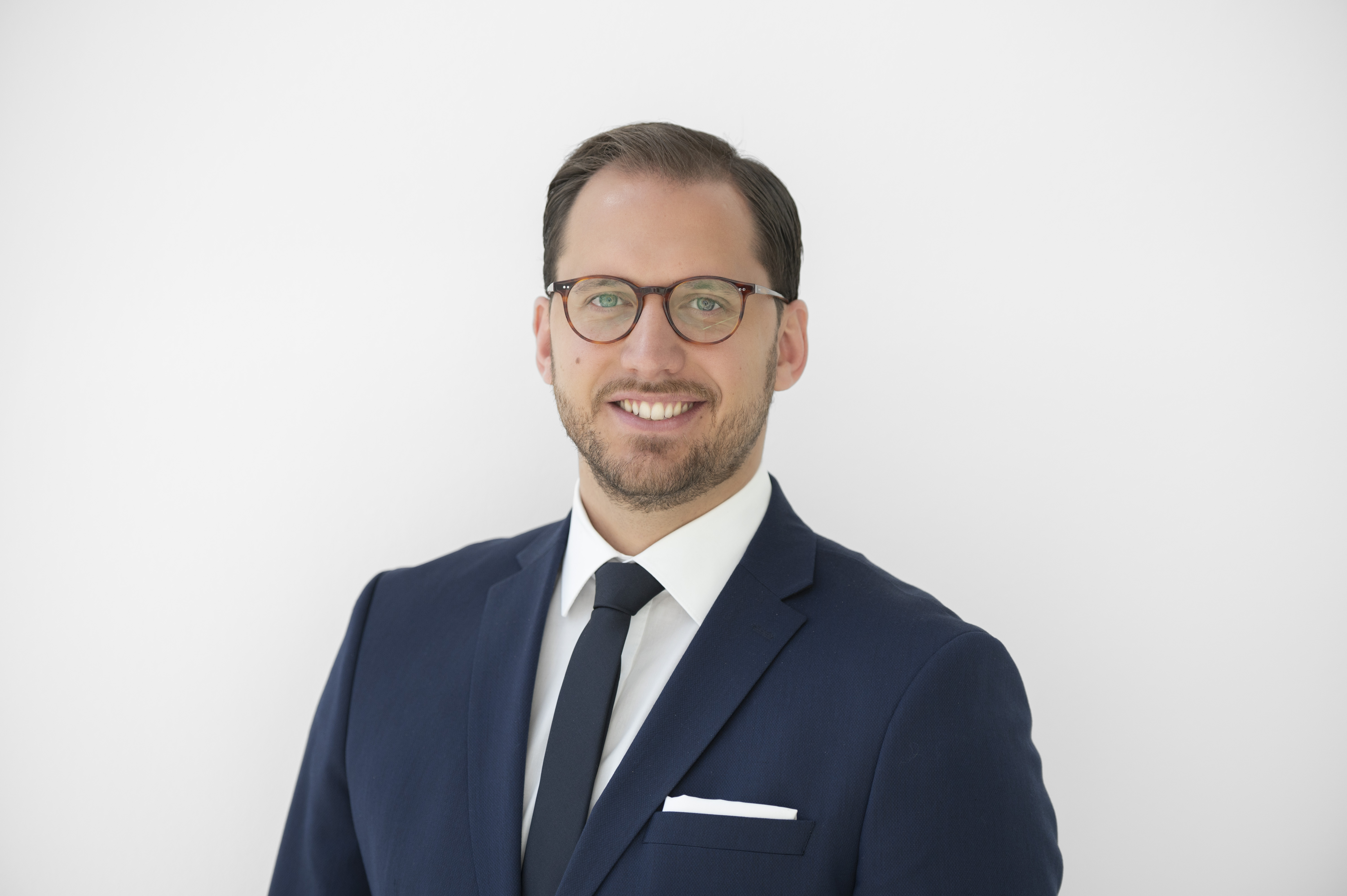
Paul Johannes Spittau
Head of Group Carrier Relations & Insurance Mediation
T +43 664 537 17 42
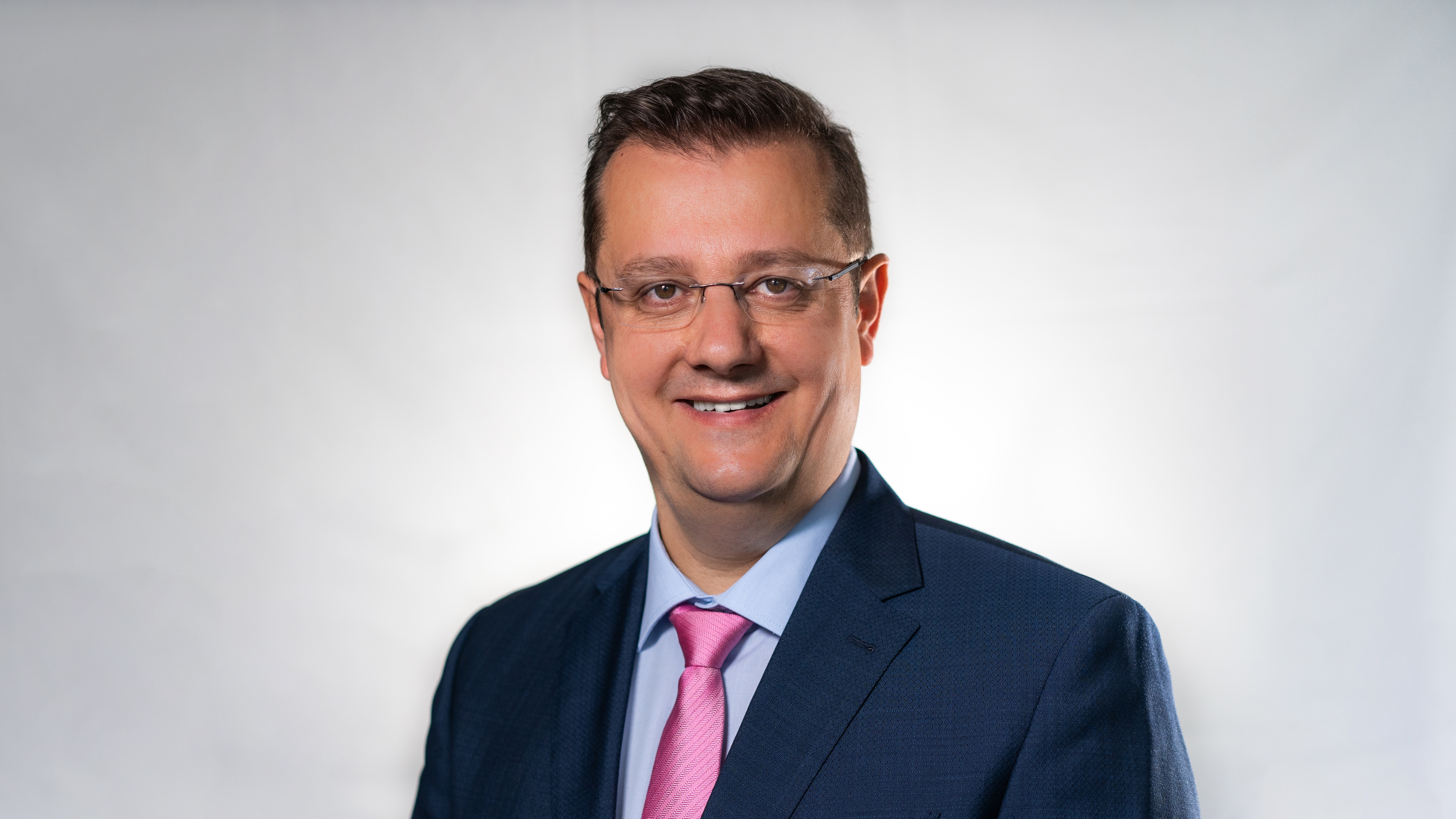
Damir Pelak
General Manager GrECo Slovenia
T+386 (0) 40 875 066
Paul Johannes Spittau
Head of Group Carrier Relations & Insurance Mediation
T +43 664 537 17 42
Damir Pelak
General Manager GrECo Slovenia
T+386 (0) 40 875 066