The growing divide between rich and poor, the lack of equal opportunities regarding age, ethnic background and nationality, gender and gender identity, physical and mental abilities, religion and ideology, sexual orientation and identity as well as social backgrounds increases social tensions. The Club of Rome deems equality and justice as part of the ideal solution for a liveable future.
Companies cannot shirk their responsibility in this regard. For instance, social issues are becoming more and more important as we are facing an inevitable demographic change that has already resulted in a systemic shortages on the job market.
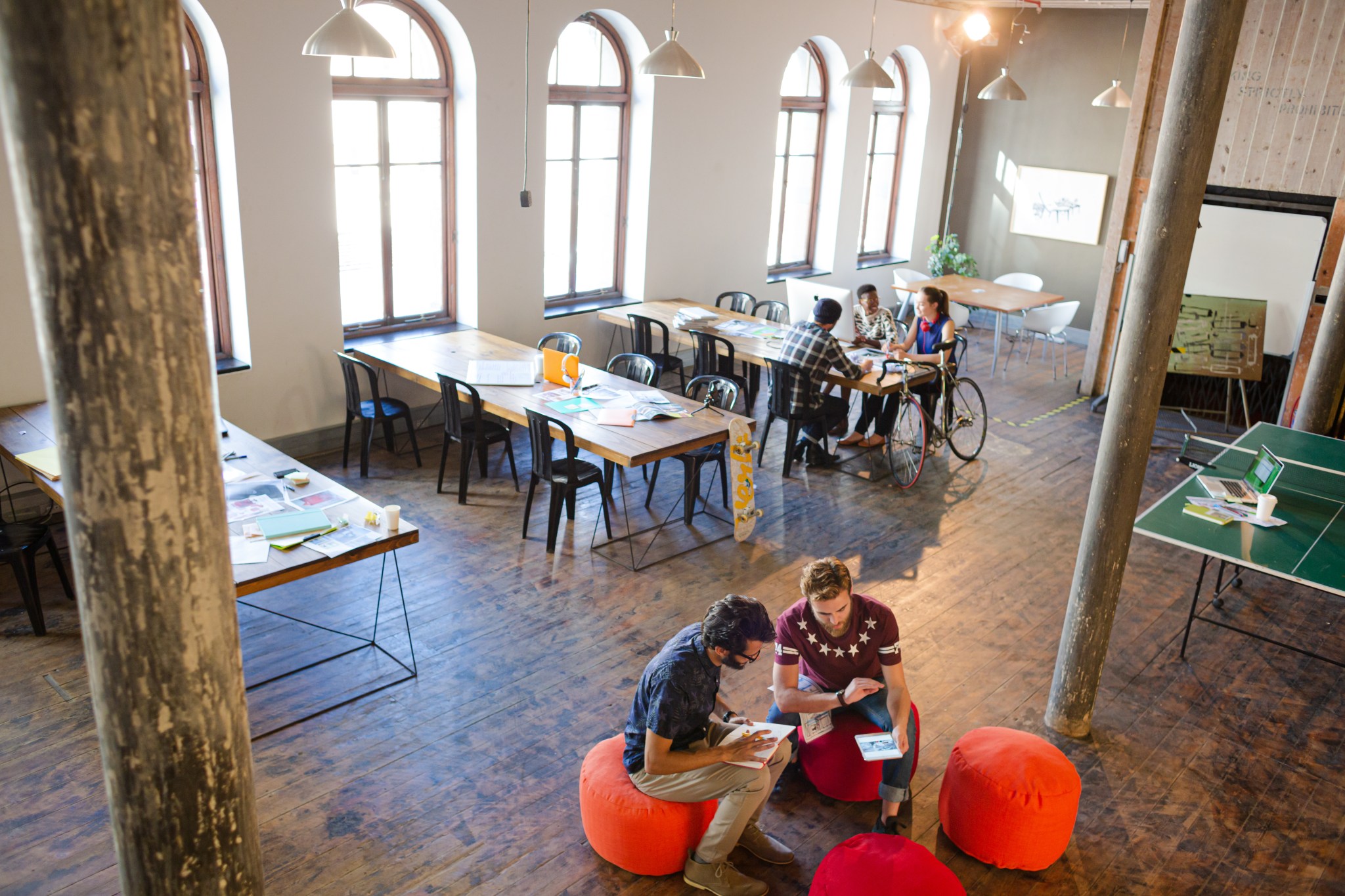
In the past, humans used to be regarded as resources. Now, humans with all their resources take centre stage. The concept of Industry 5.0. does exactly that. It places the human being at the centre to promote and foster diversity, different talents, and activities. Many companies have already initiated a transformation process because employees nowadays attach more importance on meaningful work. They believe that they can make a difference when it comes to resilience and sustainability.
We are undergoing times of permanent change, which many refer to as systemic transformation or multiple crises strung together. This change takes place in different fields and segments. They, in turn, are interlinked at various levels. HORIZON’s risk-oriented approach aims to define and outline the key areas of change affecting your company. In doing so, we take a close look at the systemic influences of ecological, geopolitical, technological and social transformation on your company’s risk landscape.
Read what our risk expert had to share regarding the future of social risks in front of us.