
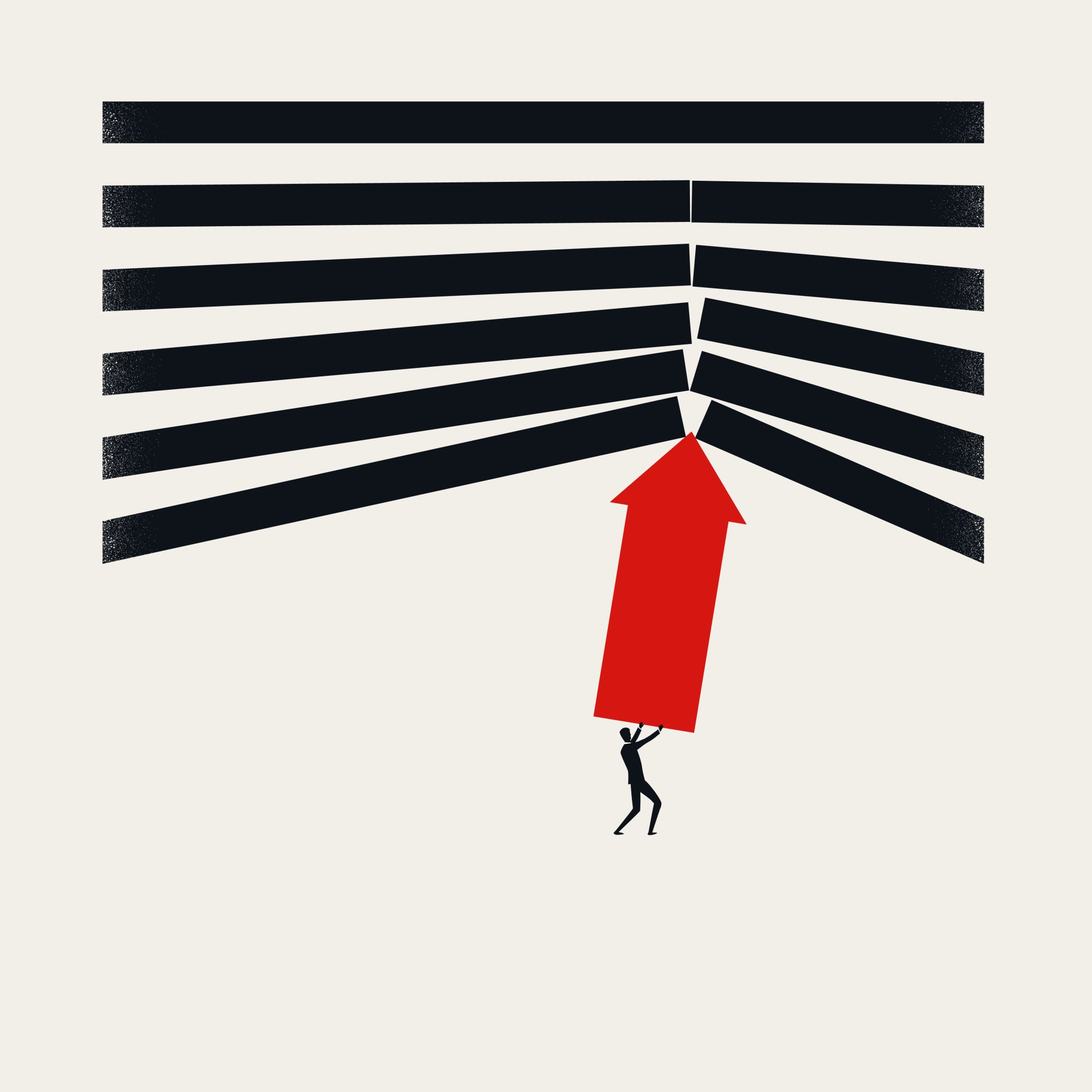
Closing the volatility gap means moving beyond reactive risk transfer.
Hungary’s energy transition is entering a new phase. Recent regulatory changes have reopened opportunities for wind power development, while solar generation continues to expand rapidly. Yet the biggest challenge facing the renewable energy sector today it has shifted from how much generating capacity can be built to how effectively that capacity can be integrated into a resilient and adaptable electricity system.
Generation is only part of the transition
For many years, renewable energy investment focused primarily on generation assets. Now we see that perspective changing. Wind farms, photovoltaic plants, battery storage facilities, substations and grid connections are becoming increasingly interconnected, and their value depends as much on the wider system as on the individual assets themselves.
Hungary shows the next phase taking shape
This shift is clearly visible in Hungary. Following regulatory changes in 2024, new wind projects are once again becoming viable after almost a decade of limited development. At the same time, solar generation continues to grow supported by investment in utility-scale projects, residential installations and electricity storage. Transmission and distribution operators are also investing in networks that can accommodate larger volumes of variable renewable generation.
Taken together, these developments highlight an important reality: the energy transition is no longer simply about producing more renewable electricity. It is about ensuring that generation, storage and infrastructure work together as part of a coordinated system.
Resilience is becoming the real test
The importance of this approach was highlighted during the summer, when extreme heat placed pressure on Hungary’s energy system and demonstrated the vulnerability of relying too heavily on individual generation sources. As weather-related events become more frequent, resilience, flexibility and diversification are becoming just as important as generation capacity itself.
This is not a challenge unique to Hungary. Across Europe, the pace of renewable deployment is increasingly being influenced by the ability of electricity networks to accommodate new capacity. Technologies are advancing quickly, but grid connections, transmission infrastructure and operational flexibility are often determining when projects can move forward and how effectively they can perform once they are operational.
Storage turns capacity into flexibility
Battery storage is playing an increasingly important role in addressing these challenges. Rather than acting solely as a supporting technology for renewable generation, Battery Energy Storage Systems are becoming a critical tool for balancing supply and demand, stabilising networks and supporting system reliability. Their growing deployment reflects a broader shift taking place throughout the energy sector. The transition is becoming less about capacity expansion and more about system optimization.
This evolution is also changing how renewable energy risks must be understood and managed.
Risk is becoming interconnected too
Modern renewable developments are considerably more complex than those built a decade ago. A single project may include generation assets, energy storage, substations, transformers, communication systems and digital control infrastructure. As projects become more integrated, risks become more interconnected. The performance of the overall installation increasingly depends on the interaction between multiple technologies, contractors, service providers and network operators.
From an insurance perspective, this requires a broader assessment of risk than in the past. Construction risks remain important, but attention must also be given to contractor interfaces, equipment reliability, operational resilience, cyber security and business interruption exposures. A disruption affecting one part of the system can have consequences that extend well beyond the original source of loss.
As renewable projects continue to evolve, assessing individual assets in isolation is becoming less effective. Understanding how the different elements of a project interact, and where dependencies exist, is increasingly critical for developers, investors, operators and insurers alike. In many respects, the evolution of renewable energy insurance mirrors the evolution of the energy transition itself. The focus is shifting from protecting individual assets to supporting the resilience of interconnected systems.
The next stage is integration
Hungary’s renewable energy market is therefore entering a different stage of development. Wind power is returning, solar generation continues to expand, storage capacity is increasing and investment in electricity networks is accelerating. The projects that succeed will not necessarily be those that generate the most electricity, but those that integrate generation, storage and infrastructure most effectively.
The real transformation taking place is not simply a shift towards renewable energy. It is a shift towards a more integrated, resilient and adaptable electricity system. That requires a different way of planning projects, managing risk and thinking about long-term energy security. It also represents the next stage of the energy transition itself.

Péter Bódi
GrECo Hungary
T +36704505881