Recruitment is also particularly challenging in the technology, engineering, and healthcare sectors.
The Austrian labour market is currently experiencing a significant shift, influenced by global trends and local challenges. One of the most pressing issues is the global shortage of skilled workers, which is now affecting all sectors in Austria, not just skilled labour. This shortage is compounded by high energy costs, low productivity gains, and the international political situation, all of which are putting additional pressure on the Austrian industrial sector.
Employee retention remains a high priority
Recruitment is also particularly challenging in the technology, engineering, and healthcare sectors. As a result, retaining key employees has become increasingly important. This trend is expected to continue and evolve due to demographic changes, such as Generation Z entering the workforce and bringing their own needs and demands, including the desire for work-life balance and job security.
Can health & benefits provide the solution?
To address these challenges, companies in Austria are increasingly turning to health and benefits solutions for both recruitment and retention. Employee benefits are in high demand, ranging from group health insurance to company pension schemes. New benefits, such as job bikes and mental/physical care management, are also growing in significance, reflecting the importance of environmental, social, and governance (ESG) factors.
Insurers to increase contributions
Healthcare inflation and the rising costs of medical services are influencing premium rates for ancillary insurance. It is expected that insurance providers will further increase contributions for supplementary health insurance, impacting the affordability of healthcare for both companies and individuals. However, there is a sufficient number of risk carriers and capacity available to meet these needs.
Impact on organisations and solutions
For organisations in Austria, these trends present both challenges and opportunities. The difficulty in recruiting skilled workers means that companies must invest more in their existing employees to retain them. This can be achieved through comprehensive health and benefits solutions that address the specific needs of different employee demographics.
Offering a range of benefits, from traditional health insurance to innovative perks can make a significant difference in attracting and retaining talent. Additionally, companies should focus on creating a supportive work environment that prioritises work-life balance and job security, particularly for younger employees.
By speaking with our experts, you can stay informed about the latest trends, and they will help you adapt your strategies accordingly.
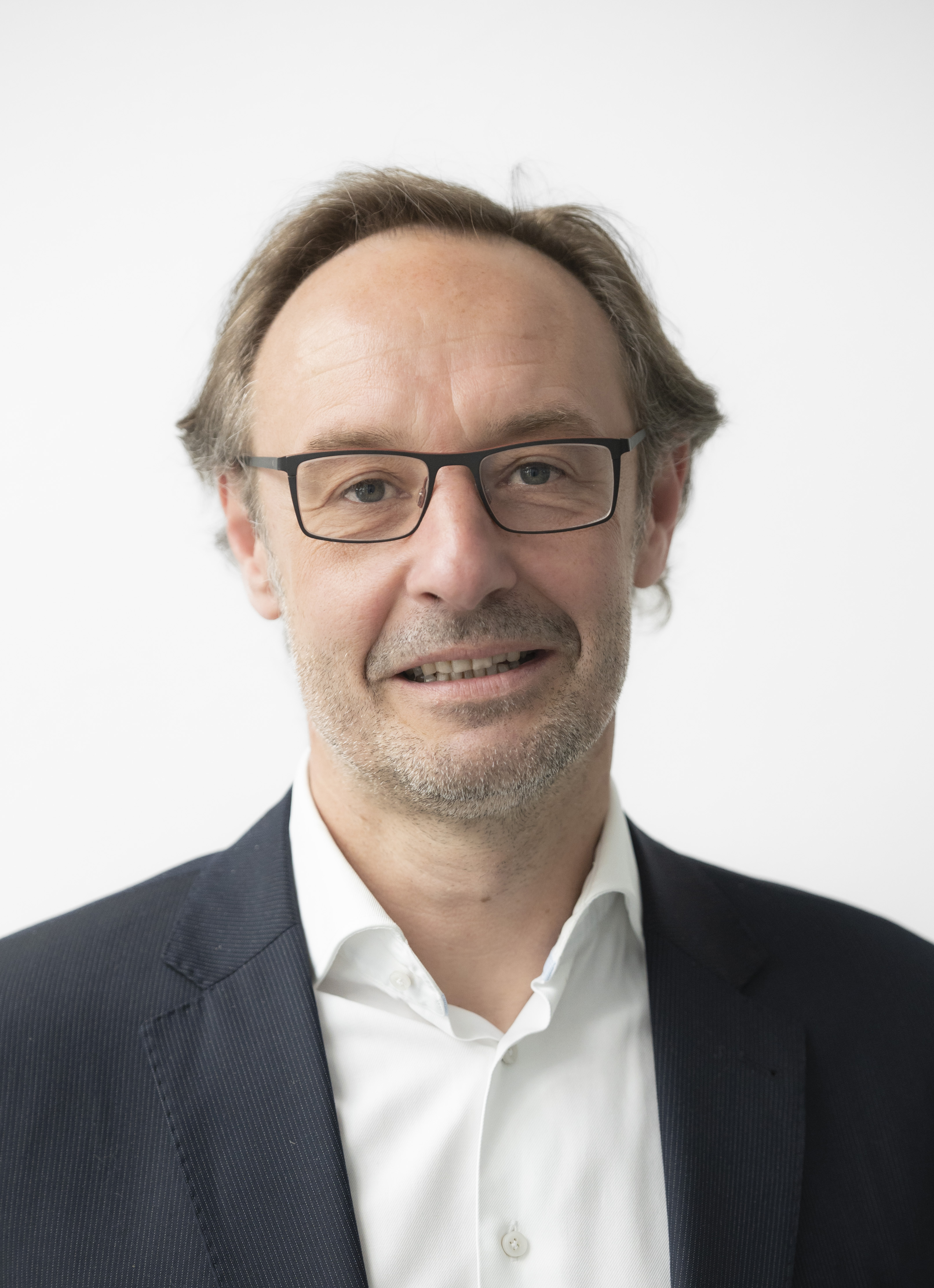
Joachim Schuller
Competence Center Manager
Health & Benefits
T +43 664 962 39 11