
Gabriele Andratschke, Head of HR at GrECo Group met with Kaido Kepp, Head of IIZI Finance and Administration to discuss their investment in innovative approaches and carefully designed solutions.
While many companies were forced to resort to remote work during the corona pandemic, IIZI had already been blazing a trail in hybrid working. With remote working as part of their company culture for almost a decade Gabriele Andratschke, Head of HR at GrECo Group met with Kaido Kepp, Head of IIZI Finance and Administration to discuss their investment in innovative approaches and carefully designed solutions.
Andratschke: What made you decide to introduce hybrid working in 2015, way before it became the norm for many other organisations?
Kepp: As an innovative company, we wanted to offer our teams the opportunity to work from any location, whether it be the office, home, or a cosy beach house under the palm trees. This decision was made long ago as part of our branding and being an attractive employer for future talents. Many companies had already started to offer the opportunity to work remotely, and we wanted to be in the premier league of flexible workplaces.
The Unseen Challenges of Remote Work
Andratschke: Whilst others were scrabbling to set up hybrid working during the pandemic, what challenges did IIZI face?
Kepp: We felt very lucky when the pandemic hit to already have hybrid working well established within the organisation. However, that’s not to say we didn’t face challenges. The Coronavirus period brought with it unforeseen hurdles for us too: How could we ensure the smooth integration of new people into the IIZI team? How could we ensure effective cooperation when everyone was away? How could we stimulate innovation and generate ideas in the context of remote work? And what new role could managers play?
We found various practical ways to address these issues that work for our team of over 100 people. The key is to maintain a balance between flexibility and team integrity.
Communication and Transparency are Key
Andratschke: How do you ensure continuous communication with your teams when they are working remotely?
Kepp: Regular team meetings and lunches have become increasingly important at IIZI over the years. The company-wide monthly briefing serves as another communication pillar. Consistent communication promotes a sense of belonging and supports teamwork, which in turn enables us to achieve common goals more effectively. No one should be excluded from the goings-on in the company. We create a digital recording of our meetings to make sure the information is available to all employees, and practice shows that people really do catch up with recorded meetings.
We apply different rules to the game for a communication process that supports hybrid work. For example, we use a public calendar and email platform where we ask employees to note down work-related information about themselves, helping colleagues keep better track of each other’s activities. We can see whether a colleague is physically in the office, working elsewhere, or temporarily absent for any reason. This ensures transparency within the team and facilitates communication.
Andratshcke: How do you keep abreast of company culture if your team aren’t physically in the office?
Kepp: We regularly carry out surveys to understand how people feel about their work and the working environment. We don’t ask for the facts because feelings manifest in cooperation within and between teams, and then in business results. It is pleasing to note that the results are good regardless of where people work. Our survey last year showed that 97.5% of our people agreed or strongly agreed with the statement ‘I feel I want to give my best effort to achieve good results’; 92.4% agreed or strongly agreed with ‘IIZI takes care of my wellbeing’; and 93.7% firmly believe they can rely on their colleagues.
Andratschke: How have you overcome the challenge of ensuring new colleagues feel happy and supported from the start?
Kepp: The onboarding of new colleagues and the process of becoming a fully-fledged team member is definitely a challenge in the context of hybrid working. New colleagues should feel comfortable from the start, and it is important to support them wherever they are to build towards the company’s objectives. IIZI’s virtual training environment plays a major role in this with a video introducing the company, including a history lesson, and a range of training courses on the ABC of insurance, including more specific topics. We also use a mentoring programme, where each new employee is assigned a mentor who guides them along the IIZI path and points them in the right direction.
In fact, when asking newcomers to IIZI this year for their feedback, they highlighted mentorship and the importance of team events as a way to ease onboarding. When comparing the way work was organised years ago with now, IIZI’s long-serving employees mainly mention freedom as a positive aspect, but they also appreciate direct communication with colleagues in the office.
Fostering Effective Team Building in a Hybrid Set-Up
Andratschke: What strategies and best practices would you recommend for fostering effective team building and maintaining a strong team culture when employees are split between remote and in-office work?
Kepp: Freedom, trust, and flexibility, underpinned by a strong team spirit, are the cornerstones of effective hybrid working. In order to maintain and grow this spirit, we organise a variety of monthly activities involving all units as a whole or in teams of four. We much prefer to hear from colleagues with personal experience, and if someone from our team can be the lead and presenter of the challenge, it will be of much greater value.
Last year, we tried our hand on the ice, playing hockey and curling, as well as in the shooting range under the guidance of IIZI’s lawyer, Kaido Tropp. This event series was resoundingly voted the Event of the Year in IIZI’s annual recognition ceremony and hailed as a breath of fresh air and a way to build a real sense of camaraderie. We can safely say that sporting challenges have attracted even those who would otherwise prefer to work from home into the office to join their team.
There are other more traditional team events, but the most eagerly awaited annual gathering is IIZI’s New Year’s Eve party, which has always had a high turnout. The party serves as a way to sum up the previous year and recognise and award colleagues. Colleagues share feedback and praise among themselves, and the results are based on the votes and comments given. To spread the positive message more widely, we highlight the nominees, award the winners, and pay tribute to all those who have been recognised by their peers.
Andratschke: And finally, what one piece of advice would you give to other organisations starting to hone their hybrid working model?
Kepp: Based on my experience, the most important thing is ensuring all employees feel part of the same team and that information and ideas are exchanged effectively. A management framework is needed for this, not just the technical capability to let people work remotely.
Physical offices maintain their advantages
Andratschke: What about employee mental health? Is that a challenge for you?
Kepp: The downside of remote work is definitely the distance from the real working environment as you do not get to participate in spontaneous conversations, generate ideas, get feedback, or experience immediate emotions. Employees’ mental health can be the invisible side of hybrid working. Trust and convenience can have the opposite effect – people feel isolated, misinterpret emails by imagining information that is not there, and lose their connection to the team.
We are all learning. In practice, hybrid working also means a new approach for managers. For this reason, in 2023, we ran a training course on managing remote teams. In the context of remote work, it is important to avoid management problems and provide trust, a clear structure, communication, motivation, and feedback.
About Kaido Kepp: Currently a Management Board Member and CFO at IIZI Kindlustusmaakler AS, Kaido Kepp has extensive experience from previous roles at IIZI, Tallinn University of Technology, RSA, and ERGO Insurance. Kaido holds a BA and MA in Economics (Finance) from the University of Tartu (1992-1999). His extensive skill set encompasses both life and non-life insurance as well as pensions.
About IIZI: Established in 2000, and part of the GrECo Group since 2018, IZI Kindlustusmaakler AS is Estonia’s largest insurance broker and prides itself on having a global view and the best know-how in the country. They provide high quality insurance mediation services in an online self-service environment (www.iizi.ee) as well as through personal solutions in corporate brokerage. Annually, they service over 150,000 private and nearly 25,000 corporate customers.
HORIZON Risk Thought >> Fast Forward
The complexity of today´s risk environment is changing at an accelerating pace, making risk management even more challenging. We have created HORIZON, firstly as a print publication and now as a page for sharing the latest insights about ongoing transformations. Our risk specialists will continue to provide their expertise and knowledge to shine a light on the challenges of the future.
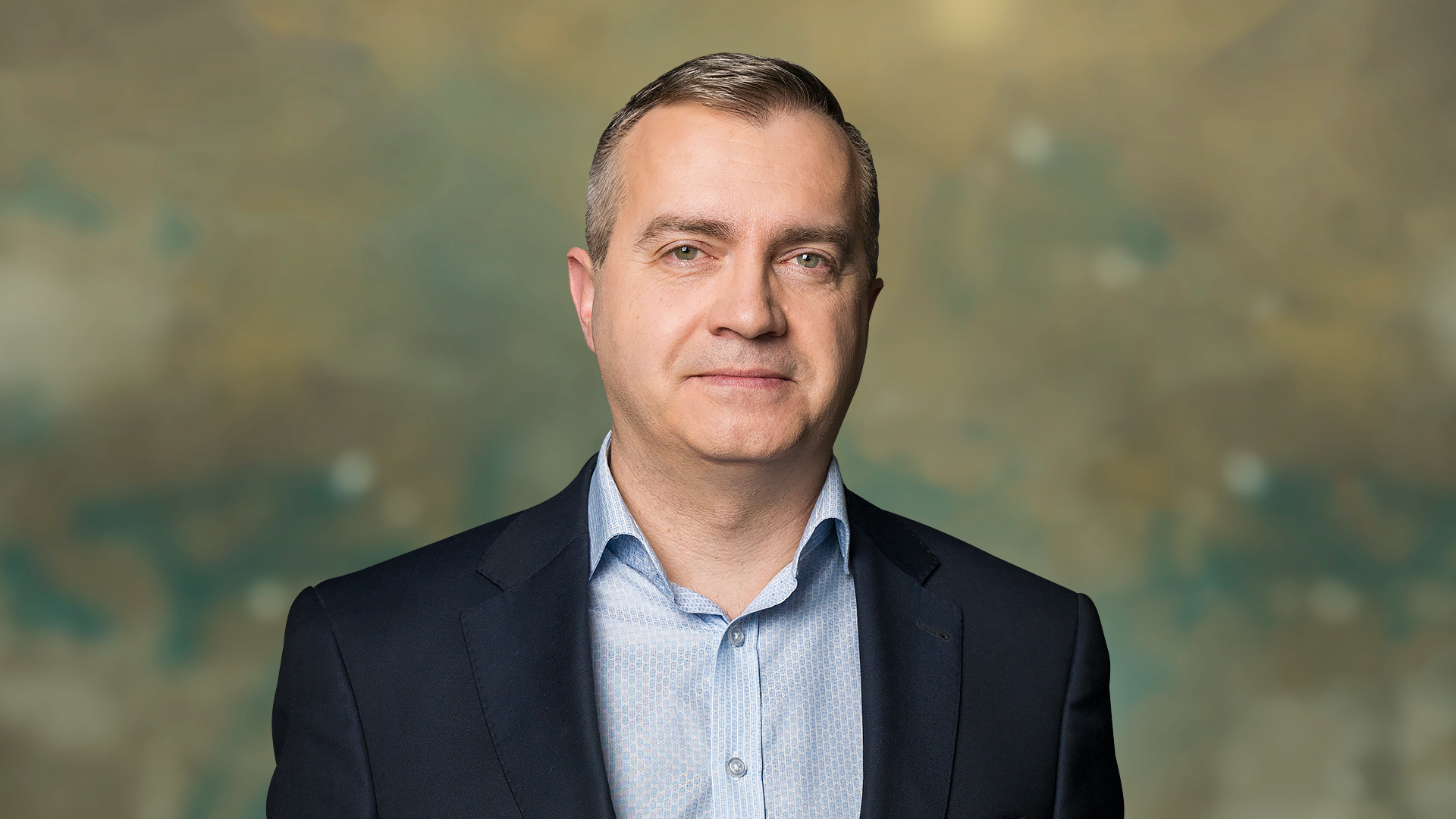
Kaido Kepp
Management Board Member and CFO
IIZI Kindlustusmaakler AS
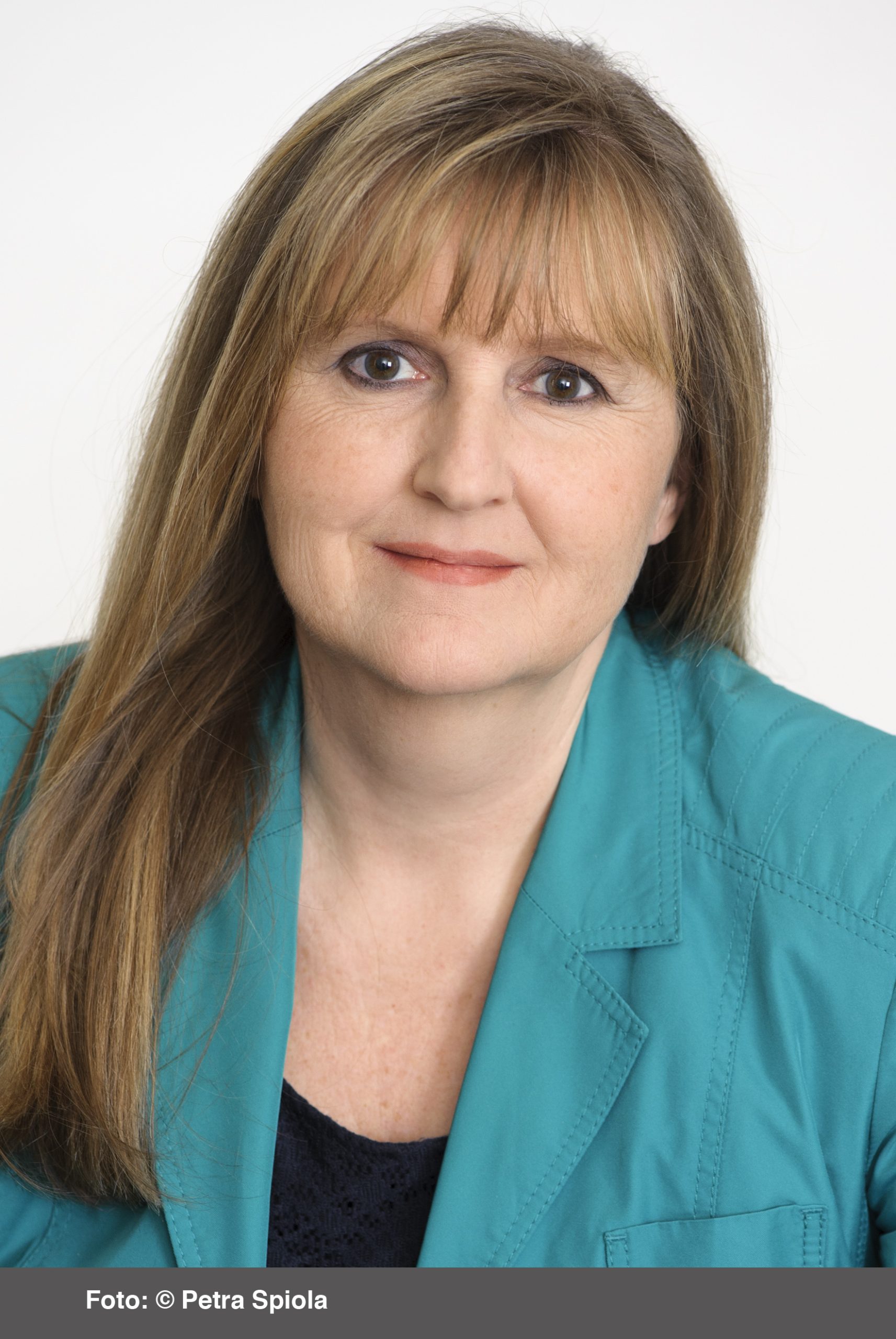
Gabriele Andratschke
Head of Group Human Resources
T +43 664 962 39 18