Gabriele Andratschke, Head of HR at GrECo Group, recently shared her expertise on multigeneration workforces with Lisbeth Lorenz, Practice Leader Credit & Political Risks at GrECo Austria, and explored with her how the recent introduction of a Gen Zer, Daniel Szöke, has created opportunities for mutual learning in her team.
In today’s dynamic workplace, we find a fascinating blend of five different generations: the Silent Generation, Baby Boomers, Generation X, Millennials, and Generation Z. Each group brings a unique set of perspectives and expectations, contributing to a vibrant and innovative work environment. By embracing collaboration across these generations, teams can enhance their dynamics and productivity. Leveraging the strengths of each age group allows for a more balanced and effective approach to work, fostering adaptability and continuous growth. This exposure to diverse working styles and technologies keeps employees agile and receptive to change.
Gabriele Andratschke, Head of HR at GrECo Group, recently shared her expertise on multigeneration workforces with Lisbeth Lorenz, Practice Leader Credit & Political Risks at GrECo Austria, and explored with her how the recent introduction of a Gen Zer, Daniel Szöke, has created opportunities for mutual learning in her team.
Andratschke: You’ve recently added a new team member to the CCC team. Can you tell me a bit about your department’s typical demographic before Daniel Szöke joined?
Lorenz: For many years, our team has been composed of highly experienced specialists with deep expertise in trade credit insurance. In the last four to five years, however, we have undergone significant changes. Until 2020, our team was based exclusively in Vienna. We adapted this structure by placing a specialist in Styria, closer to clients in southern Austria. In 2023, we took another step forward by strengthening our team with a colleague from outside the credit insurance industry. This addition brought legal knowledge and a banking background, further enhancing our team’s capabilities.
Andratschke: There has been much discussion about the pros and cons of Gen Z entering the workforce. More often than not, Gen Z stereotypes are seen as a negative rather than an opportunity for businesses. This young generation’s differing skill sets frequently bring positive change to a workforce. What were your initial thoughts or expectations when hiring a Gen Z employee to join your team?
Lorenz: I think many of the so-called negative stereotypes surrounding Gen Z actually highlight many of their unique qualities. The speed at which they work across a multitude of platforms at any one time shows their skills at multitasking and their ability to work in chaotic environments. Whilst their experience on platforms where captions are limited to one-liners such as Instagram, X, and Snapchat, speaks volumes about their abilities to communicate effectively and concisely.
With these thoughts in mind, I was excited about the opportunities having a younger colleague would bring to the team. Due to the shortage of skilled workers, we must take other paths, so why not work with a very young, inexperienced colleague to whom we can pass on our expert knowledge, and who can support us with their technical skills, innovative ideas and new approaches? I see it as a two-way learning street, with both sides contributing equally.
Adaptation and Challenges
Andratschke: Managing generational differences in the workplace involves several key strategies to ensure a cohesive and productive environment. Promoting an atmosphere where team members feel comfortable sharing their preferences and work styles enhances the team’s dynamics. How has the integration of a Gen Z employee impacted your team?
Lorenz: I think Daniel’s technical fluency, typical of Gen Zers, has helped to drive efficiency in our tech-driven roles. After a short period of time, we announced Daniel as our IT key user and added him to the GrECo Group task force which is experimenting with and learning how to use AI effectively in our working environment.
Andratschke: Fostering an environment of respect and inclusion is crucial in a multigenerational workplace. Effective communication is key to bridging generational gaps, and encouraging open dialogue and understanding can help mitigate potential conflicts and build stronger working relationships. Were there any challenges in terms of communication or work style differences when Daniel first joined the team? How did you address them?
Lorenz: Communication is a challenge. Daniel prefers digital communication like instant messaging, while some of us like to have face-to-face meetings or phone conversations. For me, it’s still strange when two colleagues sitting next to each other meet up for lunch via Teams.
Expectations from work can also be different, so it is very important to quickly clear up misunderstandings and come to a common understanding. Open communication is the key to a cohesive company culture, and never has this been truer than in a multigenerational team!
Strengths and Contributions
Andratschke: At GrECo we firmly believe that utilising all generations to fill relevant positions ensures the company harnesses the full spectrum of skills and experiences available, driving success and innovation. This comprehensive approach not only benefits the organisation but also enriches the professional lives of our employees. What unique strengths or perspectives has having Gen Z on the team brought?
Lorenz: I believe the biggest unique strength of this generation is that they are really tech-savvy. The speed in which they learn and adopt new technologies is off the scale and, as I mentioned earlier, so is their ability to multitask across four or five different platforms at the same time. These skills will be crucial for bridging any gaps in the team’s technological proficiency in the future.
The team spirit has also evolved. It was always a close-knit team, but with the addition of a younger colleague there’s a strong nurturing element emerging as the more experienced colleagues relish the opportunity to pass on their expert knowledge. It’s interesting to see how Daniel responds and adapts what he is learning to his style of working. As part of this, we’ve realised that less traditional forms of training, such as e-learning, work well as communication tools.
Support and Development
Andratschke: As you know, focusing on common goals helps unite a team. By setting clear expectations and emphasising shared objectives, companies can leverage the unique strengths of each generation while working towards common goals. This focus on commonality helps create a more inclusive and dynamic workplace that harnesses the full potential of its diverse workforce. What steps have you taken to ensure Daniel, as the youngest member of the team, feels supported and included?
Lorenz: Our open-plan office allows us to work collaboratively and exchange ideas efficiently. Importantly, there are no biases from either side, and we treat each other respectfully. Ultimately, we recognise that success depends on everyone’s contributions and we’re all learning together how we need to adapt and evolve to achieve that joint goal.
Andratschke: By pairing employees from different generations, companies can encourage knowledge sharing and help bridge the gap between different age groups. How have you approached mentoring and developing younger employees compared to more experienced staff?
Lorenz: What I have come to realise is that younger employees benefit from the competence and wisdom of their more experienced counterparts, while seasoned employees gain fresh ideas and new skills from the younger generation. Within this dynamic, it is necessary to educate our future workforces with the values and the mission and vision we would like to establish for the coming decades.
To achieve this, encouragement and clear and realistic goals are essential for Daniel rather than making more general.
What’s more, I have learned that Daniel is seeking continuous learning opportunities and that he likes to learn in highly visual ways. I strongly believe it is important to guide him without limiting his innovation, skills and adaptability.
Meet Daniel Szöke
Daniel is the latest member to join the CCC team at GrECo Group.

Daniel Szökeme
Specialist
Competence Center Credit & Political Risk
Joining a multigenerational team has been an enriching and rewarding experience. I have learned to appreciate the diverse perspectives and experiences my colleagues bring to the table. By being open-minded and respectful, I have built strong working relationships and gained valuable knowledge. The team’s welcoming and collaborative environment made it easy for me to integrate and start contributing effectively.
In my role as a Key User and part of the Copilot Community, I contribute by providing technical support and staying updated with the latest IT trends. This allows me to help my colleagues use valuable tools like Excel and GOS to their full potential. Additionally, experimenting with the Copilot AI tool has enabled me to refine processes, streamline operations, and enhance overall efficiency, significantly improving our team’s productivity and effectiveness.
Despite the challenges in communication styles, I have adapted by being clear and concise, actively listening, and seeking feedback to ensure my messages are understood correctly. Overall, the support from my line manager and colleagues has been instrumental in my success, creating a positive and productive work environment.
HORIZON Risk Thought >> Fast Forward
The complexity of today´s risk environment is changing at an accelerating pace, making risk management even more challenging. We have created HORIZON, firstly as a print publication and now as a page for sharing the latest insights about ongoing transformations. Our risk specialists will continue to provide their expertise and knowledge to shine a light on the challenges of the future.
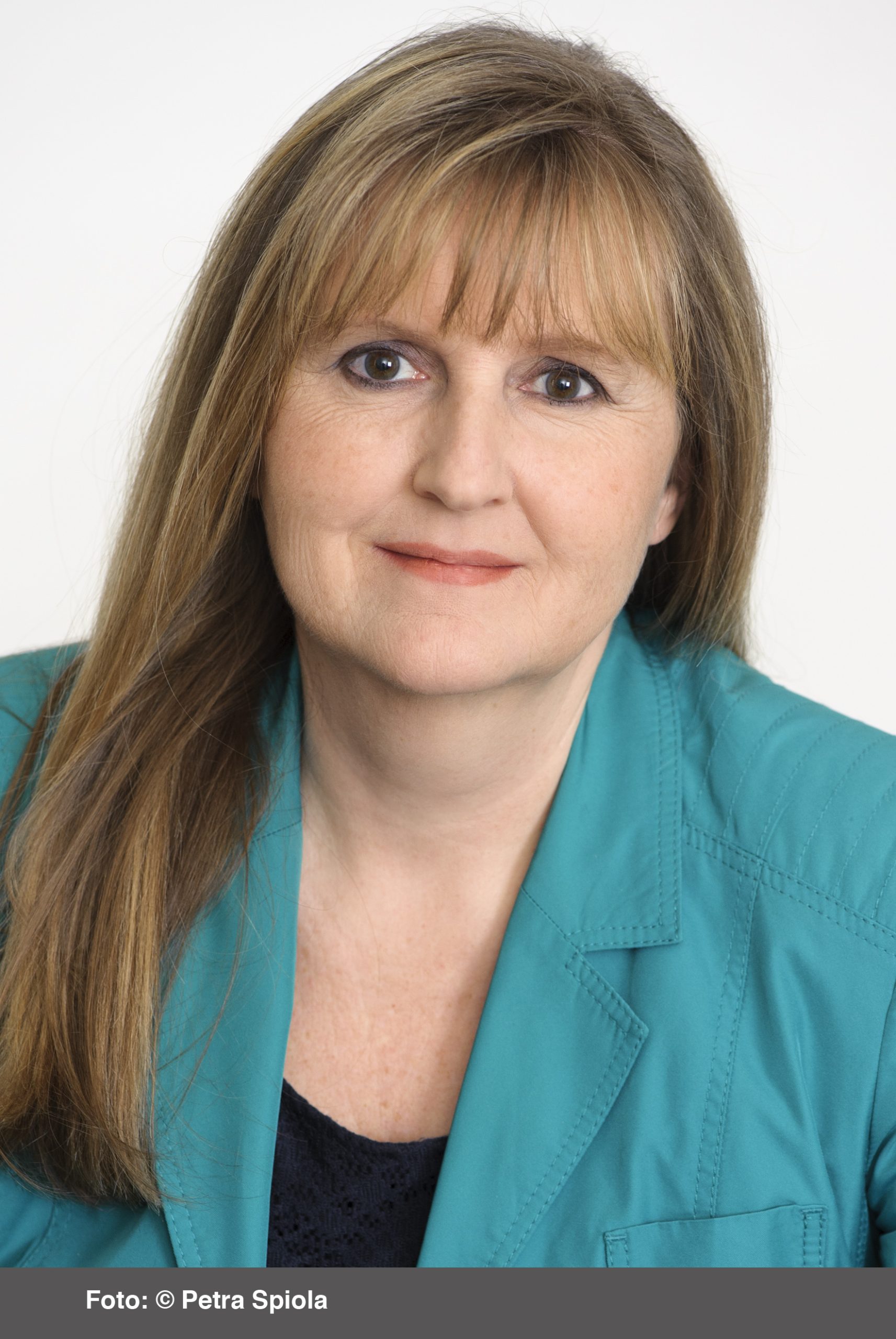
Gabriele Andratschke
Head of Group Human Resources
T +43 664 962 39 18

Lisbeth Lorenz
Practice Leader Credit & Political Risk
GrECo Austria
T +43 664 883 805 12