In this comprehensive interview, Paul Spittau, Head of Group Carrier Relations & Insurance Mediation at GrECo International, engages with Martin Tkáč, General Manager at GrECo Slovakia. They address the significant challenges and opportunities faced by businesses in Slovakia today, with an emphasis on global risks, freedom, and financial sustainability during a period of substantial uncertainty.
Spittau: The world is in flux, and we live in a time of global polycrisis. What are the specific developments and challenges facing your clients today and in the next five years?
Tkáč: Our clients are facing challenges related to safety, freedom, and financial sustainability. The overall uncertainty is the key concern, and there is a need for innovative approaches based on exceptional knowledge and skills to navigate these challenges effectively.
Spittau: Please can you elaborate a bit more on each of the challenges you mentioned?
Tkáč: The challenges related to safety stem from the increasing complexity of global risks, including geopolitical tensions, cyber threats, and environmental disasters. These risks are unpredictable and can have far-reaching impacts on businesses and individuals alike. Ensuring safety in such a volatile environment requires constant vigilance and the ability to adapt quickly to new threats.
Freedom, in this context, refers to the ability of businesses and individuals to operate without undue restrictions or interference. This can be affected by political instability, regulatory changes, and social unrest. The uncertainty in these areas is making it difficult for businesses to plan for the future and hindering their ability to grow and innovate.
Financial sustainability is another critical challenge. Economic fluctuations, inflation, and changes in market dynamics can all impact the financial health of businesses. The uncertainty in the global economy means that businesses must be prepared for a range of scenarios and have strategies in place to ensure their long-term viability.
Overall, the uncertainty in these areas requires businesses to be agile and innovative. They must leverage their knowledge and skills to develop strategies that can help them navigate these challenges and ensure their continued success in a rapidly changing world.
Addressing the Multifaceted Challenges in Slovakia’s Corporate Risk Landscape
Spittau: How are current political, economic, and ecological conditions in your country shaping the corporate risk landscape?
Tkáč: Let’s take a brief look at each in turn. Slovakia’s economic outlook is shaped by strengths such as low political risk, EU membership, and a robust banking sector. However, challenges include a small market size and reliance on the automobile sector. Despite being hit hard by external shocks like the COVID-19 crisis, Slovakia has shown resilience with projected GDP growth of +1.7% in 2025 and +2.3% in 2026. Inflation will ease but remain significant, with forecasts of +3.2% in 2025 and +2.7% in 2026.
Ecologically, Slovakia’s strengths include low CO2 emissions per GDP and effective measures against climate events, but renewable electricity output and recycling rates need improvement.
Overall systemic political risk is relatively low. Slovakia is a stable democracy with strong international relations through its EU, NATO, and OECD memberships, although the current government is more Eurosceptic than its predecessor. However, overall, Slovakia remains stable with strengths in international relations and a strong business environment which is very attractive for foreign investors.
Spittau: Which economic sectors or industries are anticipated to receive increased investments in the coming years, and how will this trend affect the risk industry?
Tkáč: The infrastructure, green transformation, and housing sectors are hotly tipped to receive increased investments. This trend will bring new risks, such as those associated with Battery Energy Storage Systems, charging stations inside buildings and lack of appetite for contingent business interruption solutions. The risk industry will need to come up with ways to address these emerging challenges.
Evolving Market Dynamics
Spittau: How is the insurance broker market evolving in your country?
Tkáč: The insurance broker market in Slovakia is evolving towards concentration. Multiagent networks are attracting attention from independent agents and investors. The legal framework distinguishes between brokers, who are entitled to remuneration from clients only, and agents, who are entitled to remuneration from insurers only. This distinction is driving the market towards consolidation.
Standing Out from the Crowd
Spittau: How does GrECo’s approach in your country differ from local brokers, and what do you focus on when advising clients?
Tkáč: GrECo’s approach in Slovakia is distinguished by its comprehensive insurance procurement and support services, including claims assistance. We offer value-added services related to Risk Engineering and Property Loss Control, advising on proper valuation and minimising underinsurance exposure. Our reliable and experienced team, supported by relevant technical infrastructure, ensures that our approach and services are fully adjusted to local needs while benefiting from the strong international presence of the GrECo Group.
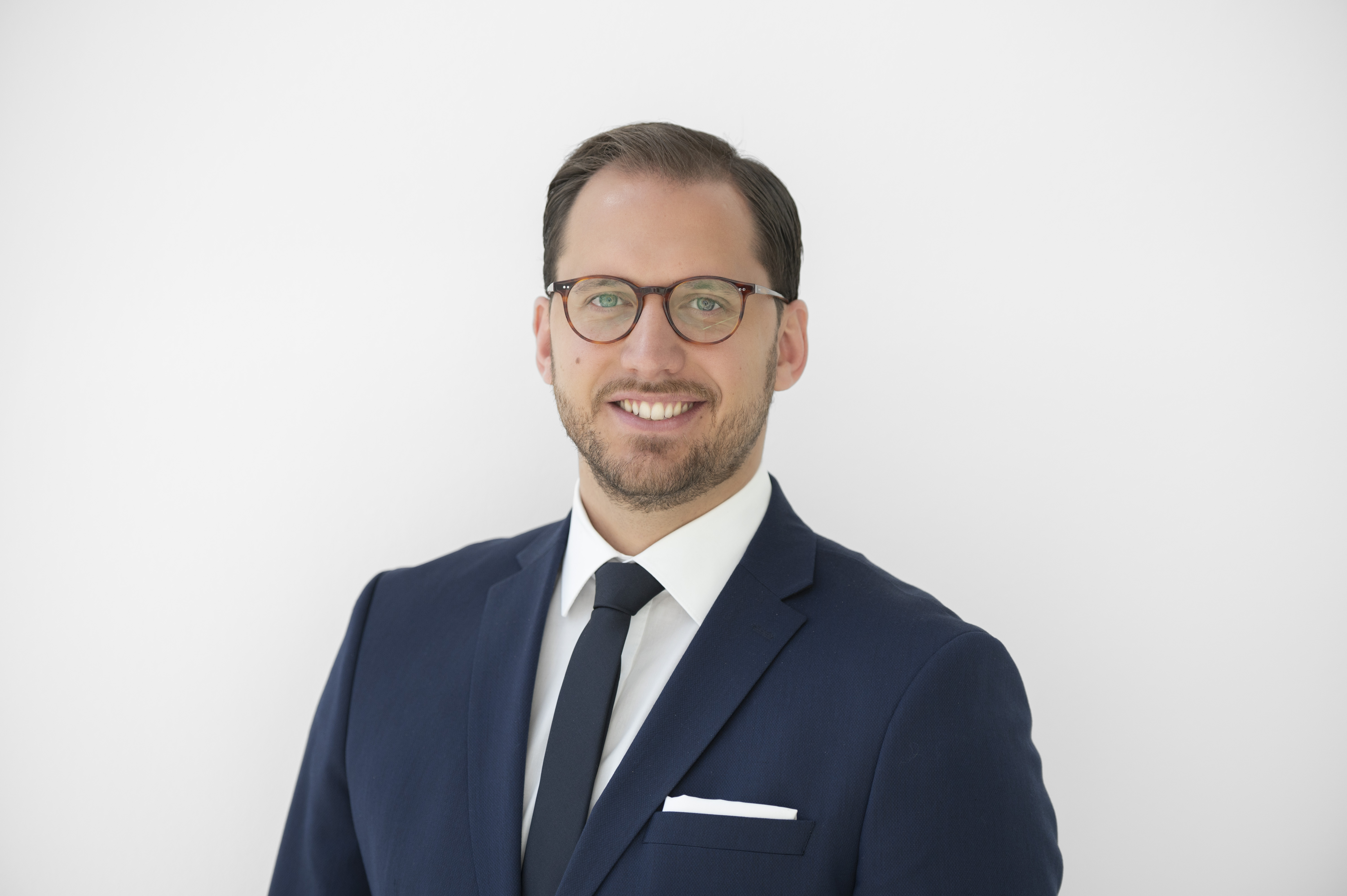
Paul Johannes Spittau
Head of Group Carrier Relations & Insurance Mediation
T +43 664 537 17 42
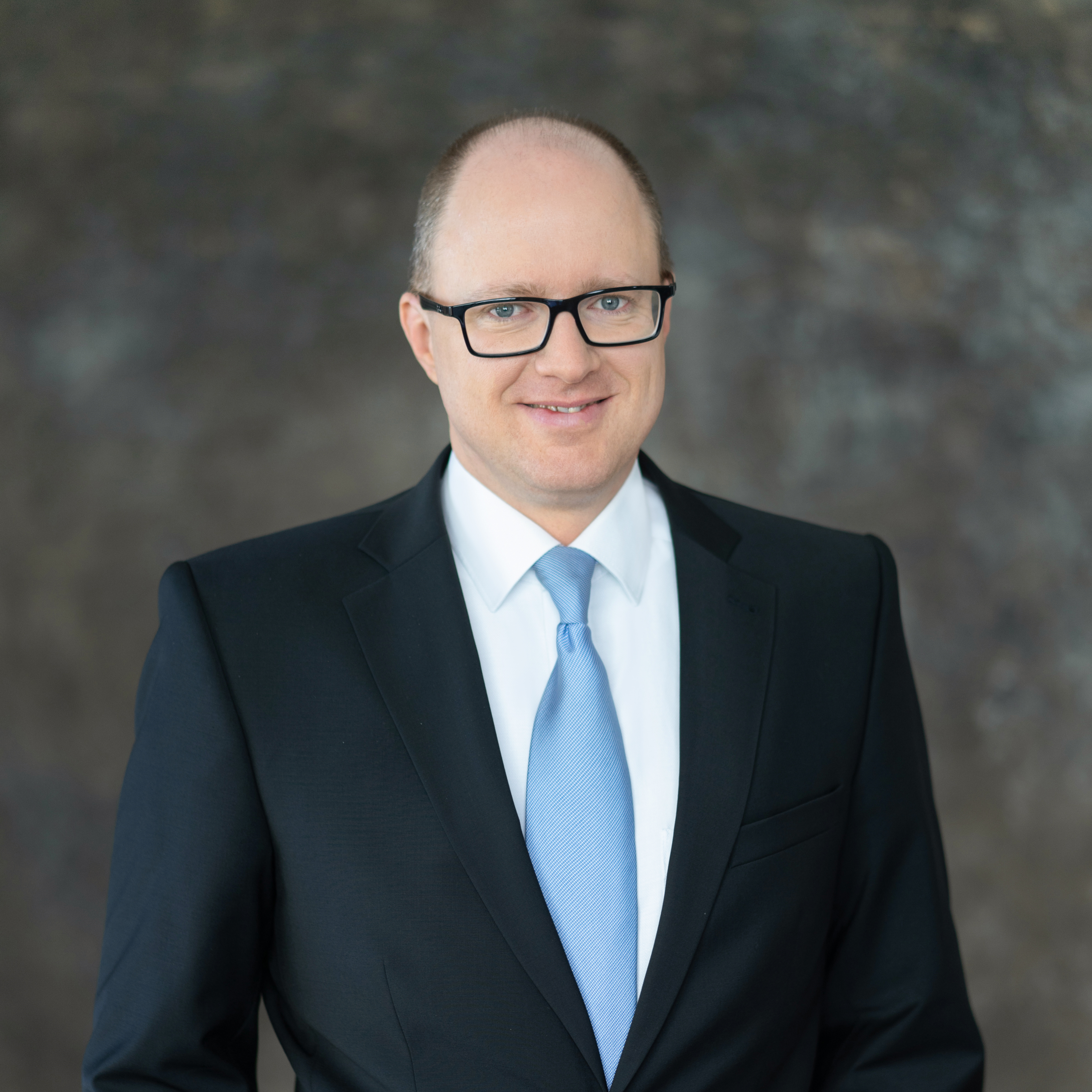
Martin Tkáč
General Manager
GrECo Slovakia
T +421 948 734 009