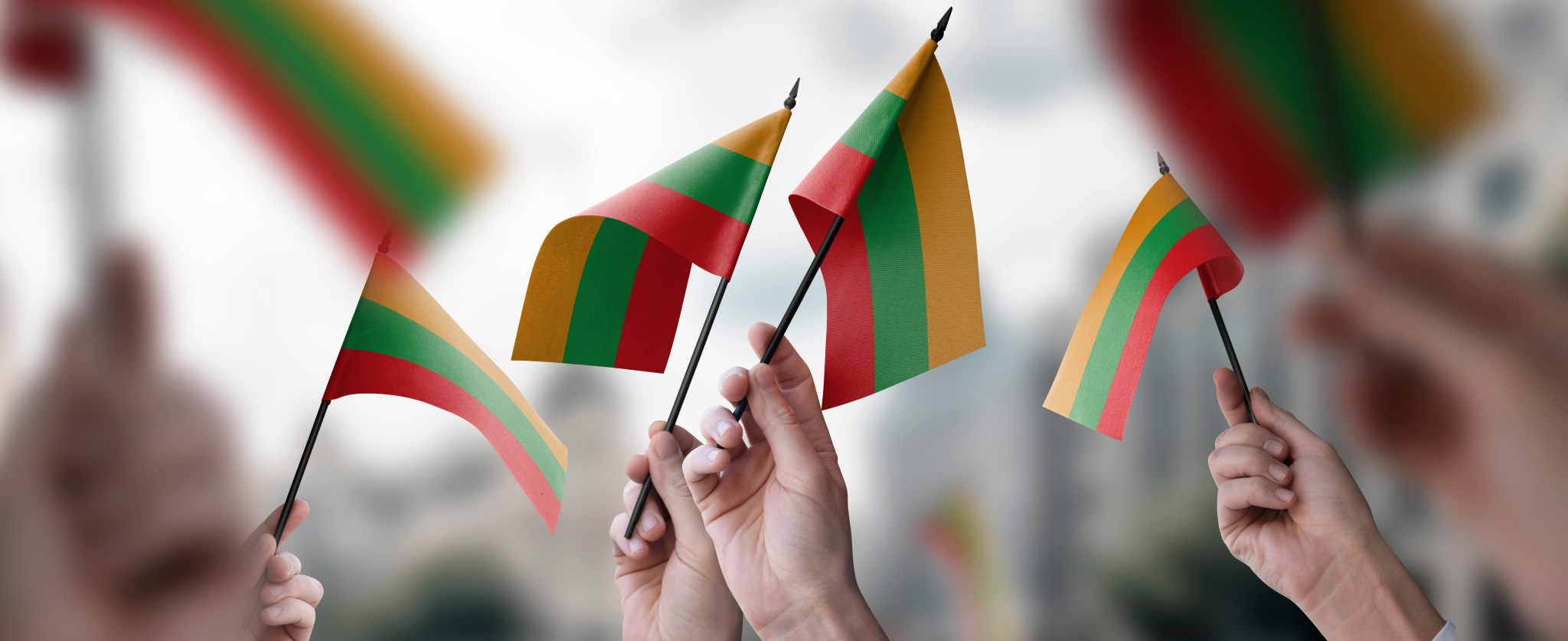
Paul Johannes Spittau, Head of Group Carrier Relations & Insurance Mediation at GrECo International, and Katerina Katrė Pavlidi from GrECo Lithuania, discuss the pressing issues impacting Lithuania’s business landscape. They delve into the economic, geopolitical, and regulatory challenges that companies face and explore how the insurance industry is responding to these evolving risks.
Spittau: What specific developments and challenges are your clients facing currently?
Pavlidi: Firstly, economic growth and inflation are major concerns. While Lithuania’s economy is projected to grow by 2.8-3% in 2025, inflation remains a persistent issue, and is expected to rise to 3.3% this year before slowing down. This economic environment is posing challenges for businesses in terms of cost management and pricing strategies.
Secondly, challenges are arising thanks to recent geopolitical tensions, particularly the ongoing war in Ukraine. Lithuania’s proximity to Russia is creating significant risks – our defence spending will be 2.95% of GDP in 2025, and between 5-6% annually from 2026 to 2030. We’re also vulnearble in times of crisis thanks to our heavy reliance on specific raw materials such as semiconductors, energy, and pharmaceuticals. These tensions are impacting supply chains, energy security, and overall business stability.
And lastly, we are facing an ever-evolving regulatory landscape, particularly concerning foreign direct investment (FDI) and national security. For example, a 10% defence tax on all insurance lines except private MTPL has recently been introduced, which is reducing clients’ purchasing power. Businesses are having to navigate these and other regulatory changes to ensure compliance and secure their investments.
Spittau: What challenges will businesses face over the next five years and how can the risks be mitigated?
Pavlidi: In the next five years, the global cost-of-living crisis will be a major short-term risk, affecting consumer spending and business operations. Whilst, climate change and environmental risks will dominate the long-term risk landscape, necessitating sustainable practices and investments in climate resilience.
Furthermore, rapid technological advancements will present both opportunities and challenges, requiring significant resources and skilled personnel. Labour market dynamics, influenced by the influx of refugees from Ukraine and demographic changes, will likely impact the availability of skilled workers.
Overall, companies need to enhance their risk management strategies, invest in sustainability initiatives, embrace digital transformation, and focus on workforce development to navigate these challenges effectively.
Domestic Conditions
Spittau: In what ways are domestic political, economic, and ecological conditions shaping corporate risk, and what does this mean for the insurance industry?
Pavlidi: Lithuania’s political landscape has seen significant changes with the recent shift to a center-left coalition government led by the Social Democrats. This change brings a focus on domestic issues such as combating the rising cost of living, improving healthcare access, and strengthening national defenses.
Economically, Lithuania sees steady growth, but inflation and a growing government deficit pose economic risks.
Ecologically, in addition to climate change, the country is battling pollution, deforestation, and soil degradation, while committing to renewable energy and sustainability.
For the insurance industry, these changes mean increased demand for comprehensive coverage. Insurers must navigate new risks from political and economic shifts, and develop products focused on sustainability and climate resilience, despite inflation challenges.
Investment Trends and Sector-Specific Risks
Spittau: Which economic sectors or industries are anticipated to receive increased investments in the coming years, and how will this trend affect the risk industry?
Pavlidi: The Information and Communication Technology (ICT) sector is expected to see substantial growth due to its advanced IT infrastructure and well-educated, multilingual workforce. This growth will likely lead to increased demand for cybersecurity insurance and technology-related risk management solutions.
Investments in renewable energy, particularly offshore wind energy, are set to rise. The insurance industry will need to develop specialized products to cover the unique risks associated with renewable energy projects.
The biotech and life sciences sector will drive the need for insurance products that address risks related to research and development, clinical trials, and intellectual property.
Manufacturing and heavy industries will require coverage for operational risks, supply chain disruptions, and environmental liabilities. Whilst, financial services investments will necessitate enhanced risk management solutions for regulatory compliance, cyber threats, and operational risks.
Risks in a Digital Age
Spittau: What are some of the emerging digital risks that Lithuania should prepare for in the coming years?
Pavlidi: With Lithuania’s digital infrastructure expanding, we are likely to see an increase in more sophisticated cyberattacks, including ransomware and state-sponsored cyberattacks targeting banks, government institutions, and key industries. Additionally, the rise of AI-powered fraud and disinformation is a significant concern. Deepfakes and AI-generated propaganda will make it increasingly difficult to distinguish between truth and misinformation, impacting public trust and democracy. Managing AI ethics, privacy, and security risks will be crucial as businesses and governments adopt AI-driven systems.
Beyond the security risks, there is also the threat of job displacement from AI and Robotics. Automation in logistics, banking, and other industries will reshape the labour market, requiring workforce retraining. With digitalisation also comes the threat of digital overuse which has the potential to contribute to worsening mental health conditions.
However, we mustn’t forget the opportunities digitalisation brings. As long as our government and businesses embrace technological advancements with proactive solutions it will undoubtedly lead to a more resilient and innovative society.
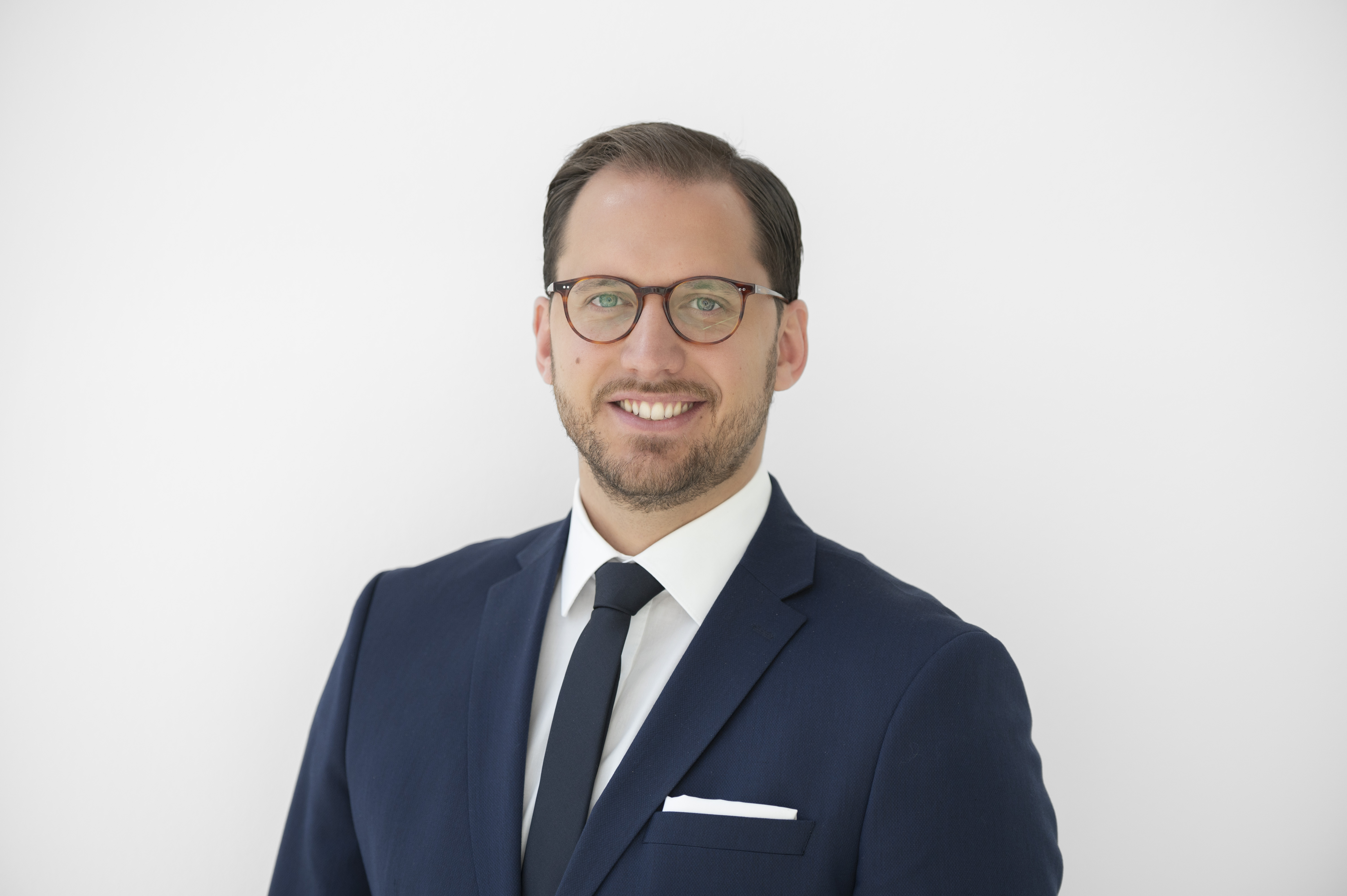
Paul Johannes Spittau
Head of Group Carrier Relations & Insurance Mediation
T +43 664 537 17 42
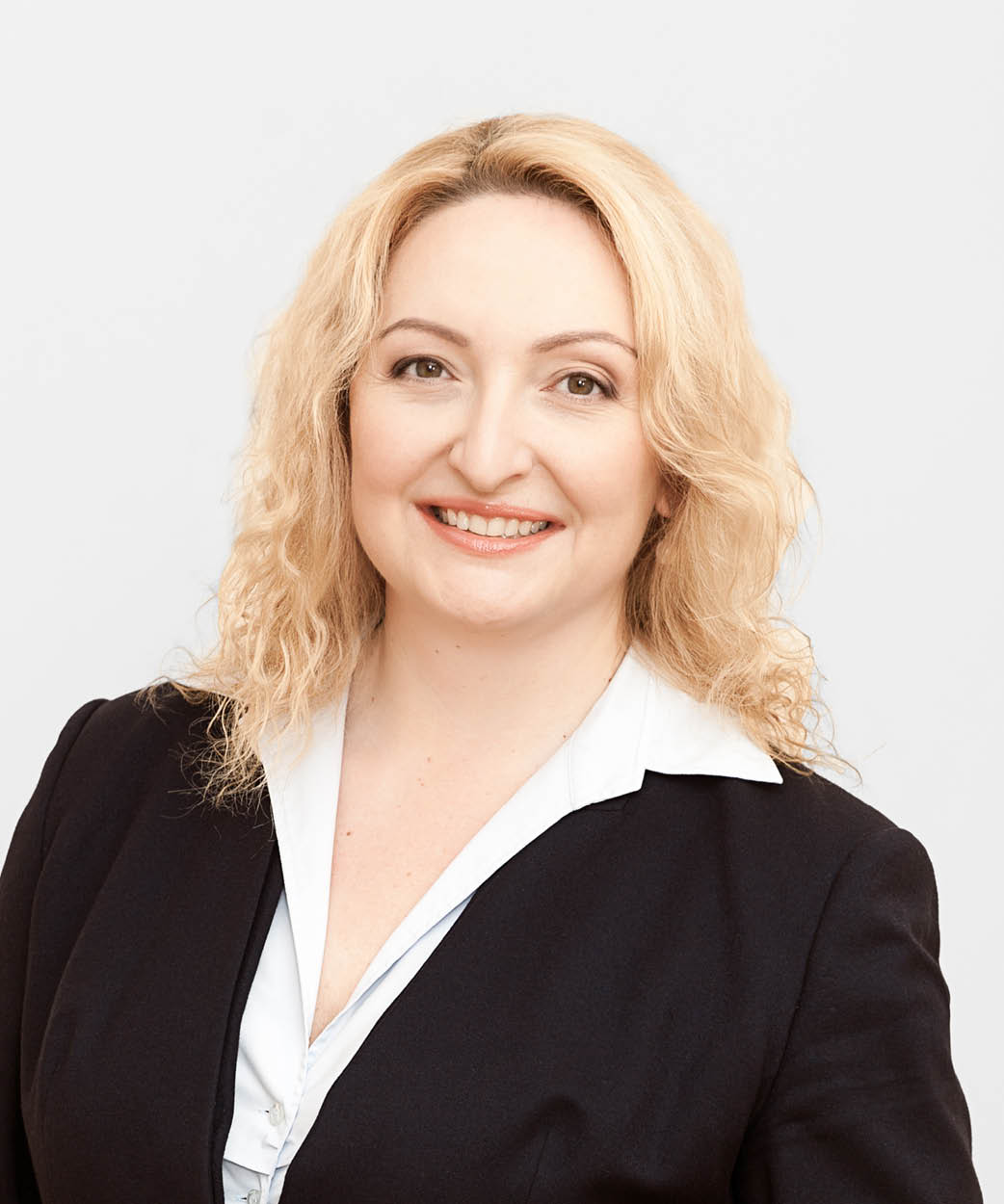
Katerina Pavlidi
General Manager
GrECo Lithuania
T +370 612 24 276