Set against the context of economic recovery, environmental concerns, and changing investment trends, Paul Johannes Spittau, Head of Group Carrier Relations & Insurance Mediation at GrECo International, and George Zafiriou, General Manager at GrECo Cyprus, examine the shifting landscape of corporate risk and resilience in Cyprus. They address how the insurance industry is strategically evolving to protect the future of Cypriot enterprises.
Spittau: What key challenges do you anticipate for Cypriot businesses in the next five years?
Zafiriou: Over the past decade, Cypriot businesses and insurers have weathered the 2013 banking crisis, the pandemic, and rising energy and transport costs, highlighting the need for strong liquidity and risk transfer. In 2025, the market remains resilient but is still impacted by dependence on imported energy and regional geopolitical tensions, with the insurance sector reliant on international reinsurers for coverage.
Looking to 2026 and beyond, Cyprus must address increasing climate risks, regulatory demands, and demographic challenges. Securing adequate reinsurance capacity in the face of natural catastrophes and regional instability will be crucial, while also capitalising on opportunities in renewables, shipping, and financial services for sustainable growth.
Mounting Environmental Challenges
Spittau: How are current developments in Cyprus shaping corporate risks and the insurance industry’s role?
Zafiriou: Cyprus’s risk landscape has shifted from financial and geopolitical vulnerabilities to mounting environmental challenges, such as rising sea levels and extreme weather threatening key sectors like tourism and agriculture. In 2025, while the political situation is stable, external risks, especially in the Eastern Mediterranean and energy supply, still impact businesses. This drives higher demand for specialised insurance coverage and increased dependence on international reinsurance, which is affected by global climate events.
Looking forward, the sector must secure sustainable reinsurance for catastrophe risks and innovate in areas like renewables and shipping, positioning insurers as vital enablers of resilience for Cyprus’s exposed economy.
Shifts in Investment Trends
Spittau: Which industries are expected to see more investment, and what impact will this have on the risk sector?
Zafiriou: Previously, Cyprus focused on financial services, tourism, and property; sectors prone to concentration risks and external shocks. However, investment is shifting towards renewables, shipping, and technology, with digital hubs and fintech strengthening the economy. Infrastructure improvements are supporting this diversification.
For insurers, this means adapting to cover renewables and offshore energy, which need complex risk engineering and reinsurance, while fintech growth increases demand for cyber and professional indemnity cover.
Looking ahead to 2026 and beyond, insurers must manage greater risks from natural disasters affecting coastal real estate and tourism, while also seizing opportunities in green energy and maritime services, helping Cyprus move towards a more balanced economy.
Regulatory Challenges Facing Businesses
Spittau: What are the main regulatory hurdles for companies?
Zafiriou: Previously, companies in Cyprus grappled with regulatory pressures linked to its banking crisis and the scrutiny on anti-money laundering compliance. Today, in 2025, the island’s role as a financial and service hub keeps it under constant observation from European and international bodies. Businesses face increasingly complex ESG disclosure requirements, stricter cross-border tax reporting, and enhanced data protection regimes that are challenging to implement for smaller firms.
For the insurance market, this creates a surge in demand for professional indemnity, cyber, and management liability solutions, as compliance failures can translate into reputational and financial damage. Going forward, regulation will grow even tighter in areas such as sustainable finance, corporate transparency, and digital assets, placing the insurance industry at the centre of enabling corporate resilience. The winners will be those who embrace proactive compliance and integrate risk management into their strategic planning, rather than treating it as an afterthought.
Breaking the Traditional Broker Mould
Spittau: How is the insurance broker market evolving and how does GrECo’s approach differ from local brokers?
Zafiriou: The Cypriot broker market used to be small and relationship-driven, with limited access to global expertise. In 2025, the industry is becoming more structured and competitive, shaped by EU regulatory requirements and by the demands of international clients in shipping, financial services, and tourism. Brokers are increasingly asked to deliver tailored solutions in areas like cyber, marine, and professional liability, often relying heavily on reinsurance markets abroad. The outlook favours firms like GrECo that can combine local knowledge with international reach, as clients expect more sophisticated advisory services and transparency, especially in a market where risks are becoming more complex and interconnected.
We stand out from the competition because we are able to support clients with both immediate insurance needs and strategic guidance on issues like governance, professional liability, and resilience. Our focus is on aligning protection with clients’ long-term goals, offering the strengths of a global group while staying rooted in the Cypriot market.
Societal Change is Needed to Ensure Future Resilience
Spittau: What major event impacted Cyprus in 2024, and what lessons were learned to better protect people and the economy in the future?
Zafiriou: In 2024, Cyprus experienced a record drought, severely impacting agriculture and water supplies. This highlighted the island’s reliance on vulnerable ecosystems and underscored the need for improved water management, desalination, and climate-smart farming. Policymakers are now focusing on integrated solutions involving technology, infrastructure, and public awareness. The key lesson for sectors like tourism and agriculture is that adaptation is essential, with sustainability and collective planning vital for resilience. The insurance industry can help by fostering risk awareness and encouraging mitigation, but lasting protection depends on society’s commitment to sustainable action.
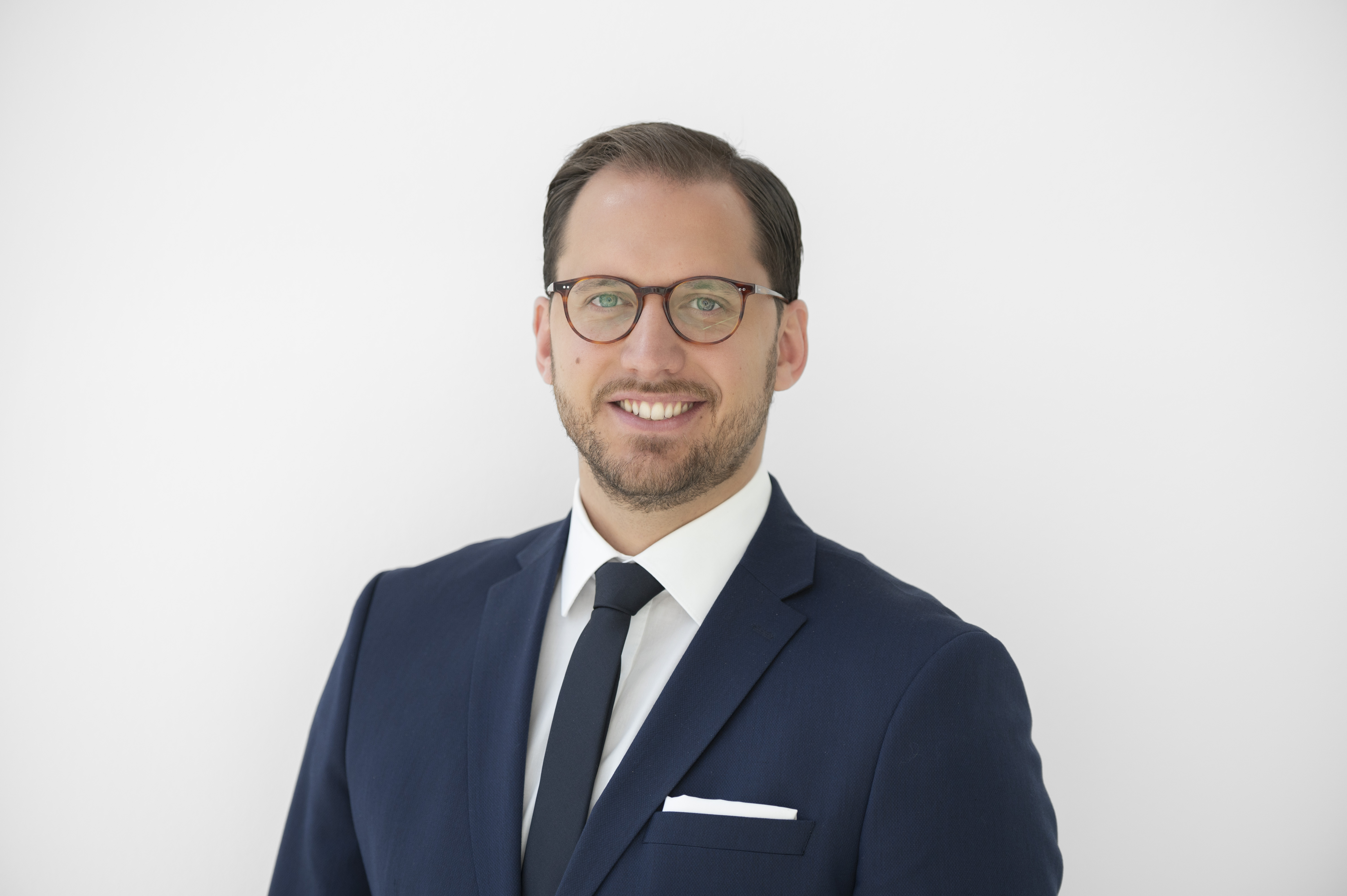
Paul Johannes Spittau
Head of Group Carrier Relations & Insurance Mediation
T +43 664 537 17 42

George Zafiriou
General Manager
GrECo Hellas