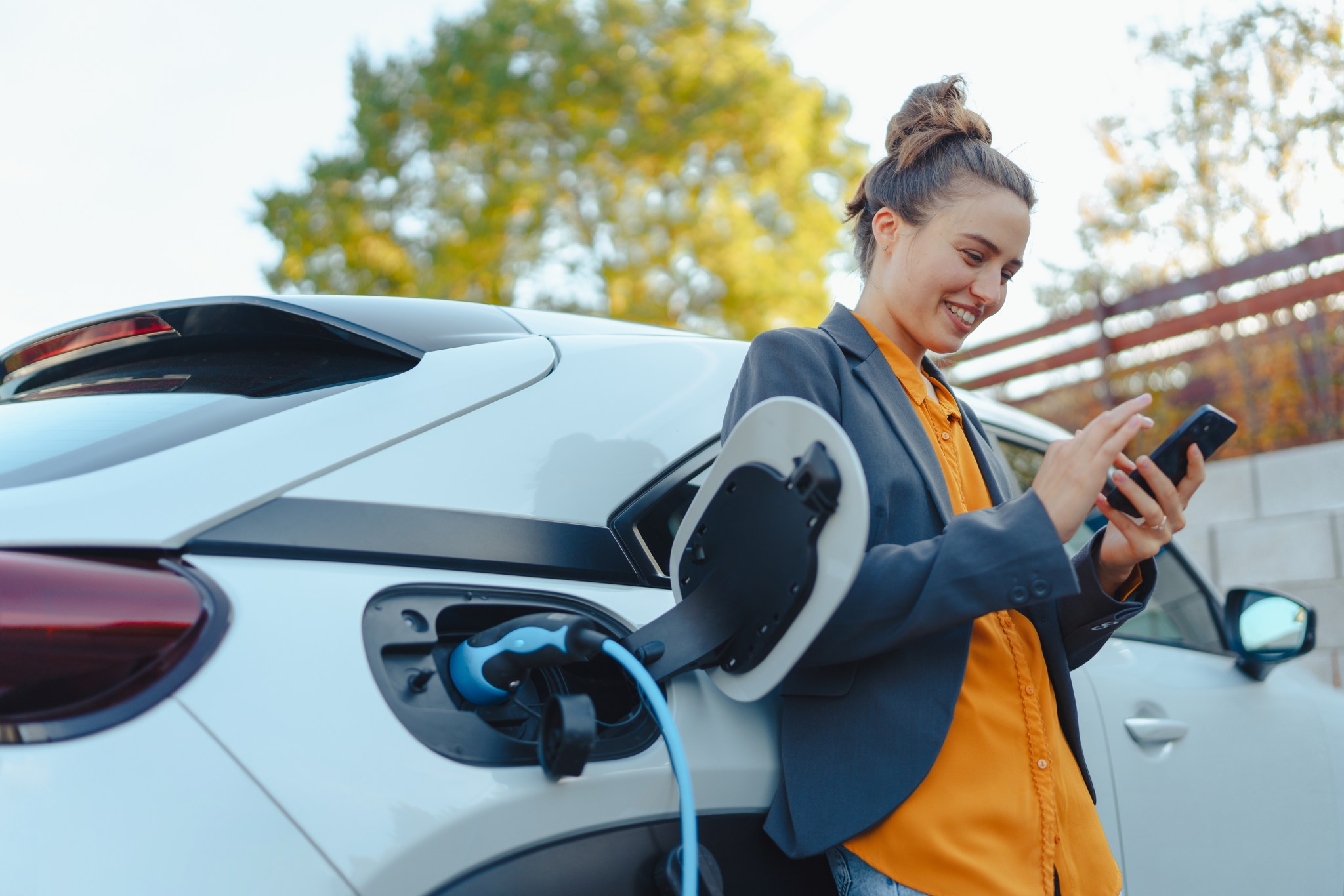
Andrej Krvavica, General Manager of GrECo Croatia, explores how the rapid emergence of electric and autonomous vehicles is reshaping the insurance landscape. As new risks and opportunities arise, Krvavica sheds light on the challenges insurers face and the innovative solutions needed to drive progress in this evolving sector.
The Evolving Landscape of Mobility & Risk
Over the past decade, we have witnessed the rapid development of electric (EV) and autonomous (AV) vehicles, which are transforming not only how we move but also how we think about risk, safety, and insurance. These vehicles are a key part of the energy and transport transition, and their growing presence on the roads brings new challenges. While they offer numerous benefits -from reduced emissions to enhanced safety – EVs and AVs also introduce a range of new risks for users, manufacturers, insurers, and regulators. Issues such as liability, cybersecurity, maintenance, and insurance are becoming increasingly important in the context of their widespread adoption.
A Silent Revolution with High Voltage
As electric vehicles become an increasingly familiar sight on our roads, their cutting-edge technologies introduce a unique set of risks. The biggest challenge is the battery, the most expensive and technologically sensitive component of the vehicle. In the event of a collision, fire, flood, or power surge, battery replacement can cost tens of thousands of Euros. Battery insurance is therefore a key issue, it is not always included in standard policies, and its availability and terms vary significantly among insurers. Additionally, batteries have a limited lifespan and are subject to degradation, which further complicates risk assessment.
Moreover, EVs require specialised services and parts, which increase repair costs and, consequently, insurance premiums. Although they come equipped with advanced safety systems, the overall cost of claims and the limited number of qualified repair centres make them more expensive to insure compared to conventional vehicles. Furthermore, charging infrastructure is still unevenly developed, which can pose an additional operational risk for users and fleets.
Who Is Liable When There Is No Driver?
Autonomous vehicles bring an even more complex set of risks. In the event of an accident, the question of liability becomes multilayered: is the software developer, the vehicle owner, the system operator, or someone else responsible? Traditional insurance models are based on driver liability, but in the AV world, this paradigm is shifting. Legal frameworks need to be redefined, and new liability models must be developed to include all stakeholders in the value chain.
Insurers will need to develop new risk assessment models that incorporate cybersecurity, algorithm reliability, and integration with traffic infrastructure. Demand for cyber insurance is also expected to rise, as AVs are constantly connected to networks and vulnerable to external threats. Attacks on control systems can have serious consequences, including loss of vehicle control, data theft, or service disruption.
New Insurance Models and the Broker’s Role
In the context of EVs and AVs, traditional insurance policies are no longer sufficient. Specialised coverage is needed, including:
The role of brokers becomes crucial – not just as intermediaries, but as advisers who understand the technical aspects of risk and can help clients choose optimal protection. At GrECo, we are already developing approaches that combine technical expertise, legal analysis, and market insights to provide comprehensive solutions for our clients. Client education and collaboration with regulators are also key elements in developing a sustainable insurance market for new technologies.
Technology Advances, but Risk Remains
EVs and AVs represent the future of mobility, but also a challenge for all stakeholders in the value chain. Insurance must keep pace with technological development, and users must be aware that new vehicles bring new forms of risk. Adaptation is essential – both in the regulatory framework and in insurance practices. Investment in research, development, and standardisation will be crucial for the successful integration of these technologies into everyday life.
Ultimately, those who adapt first, whether manufacturers, insurers, or users, will be best positioned to leverage the benefits of this transformation and shape a safer, more sustainable future of mobility.
The Role of Insurance Brokers
In the context of rapid development of electric and autonomous vehicles, the role of insurance brokers is becoming increasingly important. Brokers are no longer just policy distributors, but strategic advisors helping clients understand the complex risks associated with new technologies. Their expertise in market analysis, technical specifications, and regulatory requirements enables them to offer tailored solutions that include cyber protection, battery insurance, manufacturer liability, and business interruption coverage. Moreover, brokers play a key role in educating users and connecting them with relevant insurers, thereby contributing to the development of a sustainable and resilient mobility market of the future.
HORIZON Risk Thought >> Fast Forward
The complexity of today´s risk environment is changing at an accelerating pace, making risk management even more challenging. We have created HORIZON, firstly as a print publication and now as a page for sharing the latest insights about ongoing transformations. Our risk specialists will continue to provide their expertise and knowledge to shine a light on the challenges of the future.

Andrej Krvavica
General Manager
GrECo Croatia