When the stakes are as high as they are in Ukraine today, corporate survival is no longer enough; businesses must learn to adapt and thrive in the face of extraordinary adversity. In this interview, Paul Johannes Spittau, Head of Carrier Relations & Insurance Mediation at GrECo Group sits down with Alexander Laukart, General Manager of GrECo Ukraine, to unpack the multifaceted challenges posed by the ongoing conflict with Russia. From labour shortages and supply chain disruptions to the resilience of local and international insurers operating in the region, Laukart offers a frank and sobering look at the risks reshaping corporate strategies and the insurance industry in Ukraine.
Spittau: What are the specific developments and challenges facing your clients, especially in a climate of global polycrisis?
Laukart: We cannot avoid the elephant in the room! The primary challenge is obviously the ongoing war with Russia, and all that that brings. We’re facing a cataclysmic period of uncertainty and economic instability. The geopolitical risk landscape has also shifted, with risks becoming more interconnected and crossing national borders. In addition to manmade problems and the destructive impact of war on the Ukrainian economy, we’re facing climate change challenges as well, with increased extreme weather events affecting agriculture and infrastructure.
Each of these factors, on their own and together, have led to uncertainties in supply chains, fluctuating market demands, and increased operational risks. As you can imagine, it’s hard for businesses to adapt to these challenges, especially as the war progresses with new risks surfacing at every turn. It’s safe to say, corporate resilience and agility are essential to navigate through these turbulent times.
Spittau: How are Ukraine’s political and economic challenges affecting corporate risks and the insurance industry?
Laukart: The war has dramatically affected the economy, impacting industries and businesses’ ability to operate, causing large-scale displacement both internally and abroad, as well as resulting in the mobilisation of working-age Ukrainians. The resultant labour shortage has been identified by employers as the primary challenge they face, ahead of security risks and access to capital. The Ministry of Economy estimates that between 4.5 and 8.6 million additional workers are needed over the next ten years to achieve the Government’s GDP growth targets.
Although the war persists, several international insurers continue their operations in Ukraine and serve the local market, reflecting their commitment and the opportunities they see in Ukraine’s economy. Insurers must adapt their products to address the evolving needs of businesses in this dynamic environment. The international reinsurance market is not yet ready to write business originated from Ukraine, but a number of prominent international insurers and reinsurers still provide local insurers with their capacities for treaties.
Current Insurance Solutions
Spittau: Can you provide an update on the current insurance solutions available in Ukraine? What is possible and what is not?
Laukart: The insurance market in Ukraine has faced significant challenges due to the conflict. The number of insurers has declined significantly from 124 non-life and 13 life insurers in 2022 to 53 non-life and 10 life companies in 2025. There has been a lack of capacity following the first wave of investor capital outflow from international insurance markets, making it difficult to renew conventional property risks and obtain additional limits in sectors like heavy industry, energy, transportation, and agricultural insurance. However, there are still some solutions available. For example, it is possible to cover war risks on local retention for property damage, cargo, health and benefits, and motor insurance. Additionally, extended capacities are available with the support of organisations like the EBRD and DFC, and with some reinsurance programmes placed by international brokers. The Export Credit Agency (ECA) also plays a significant role in insuring against war risks, covering both military and political risks.
Making the Local Insurance Market More Transparent
Spittau: Ukraine’s new “On Insurance” law has introduced significant changes to the sector. Could you summarize the key updates and how they impact insurers, intermediaries, and consumers?
Laukart: Starting from the beginning of 2024, they are coming into force gradually and represent a comprehensive modernisation of Ukraine’s insurance framework, aligning it closer to European standards. For insurers, the law introduces 23 streamlined insurance classes, reducing regulatory complexity and making licensing more efficient. It also raises requirements for solvency, corporate governance, and disclosure of ownership structures, ensuring greater transparency and stability in the industry.
For intermediaries, the law enforces clear professional qualifications and mandates professional liability insurance for those handling client premiums. It also requires intermediaries to provide detailed information to customers before contracts are signed, protecting consumer rights. As of 1 January 2025, the new Register of Insurance Intermediaries (joint for brokers and agents) has been launched.
Lastly, for consumers, the law improves transparency by requiring all insurance product details to be easily accessible online. It also simplifies the market by consolidating many previously compulsory types of insurance while introducing new mandatory coverage, such as for damage from the transport of hazardous goods or high-risk facilities. Overall, the changes aim to create a more robust, consumer-friendly, and transparent insurance market in Ukraine.
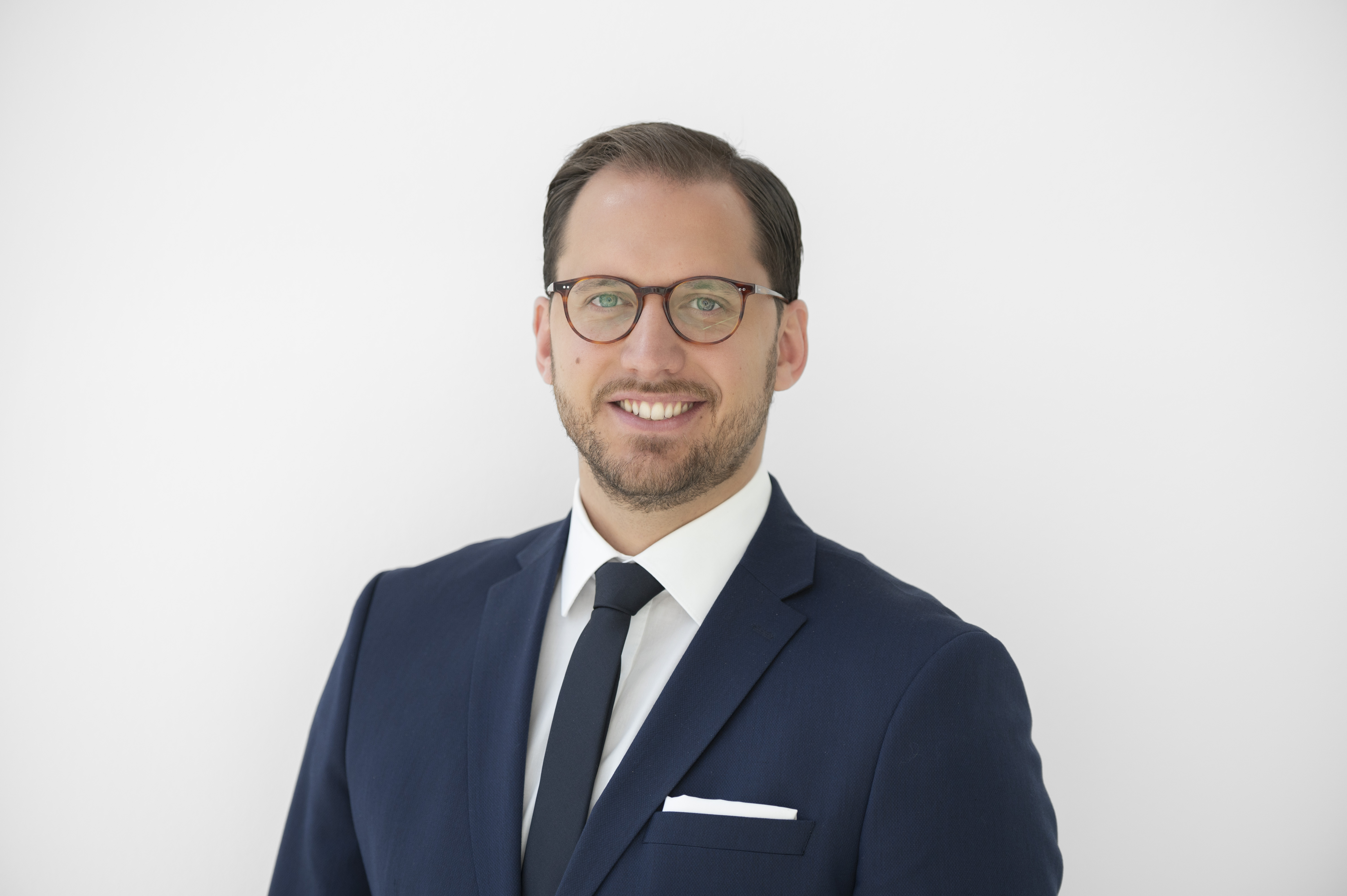
Paul Johannes Spittau
Head of Group Carrier Relations & Insurance Mediation
T +43 664 537 17 42
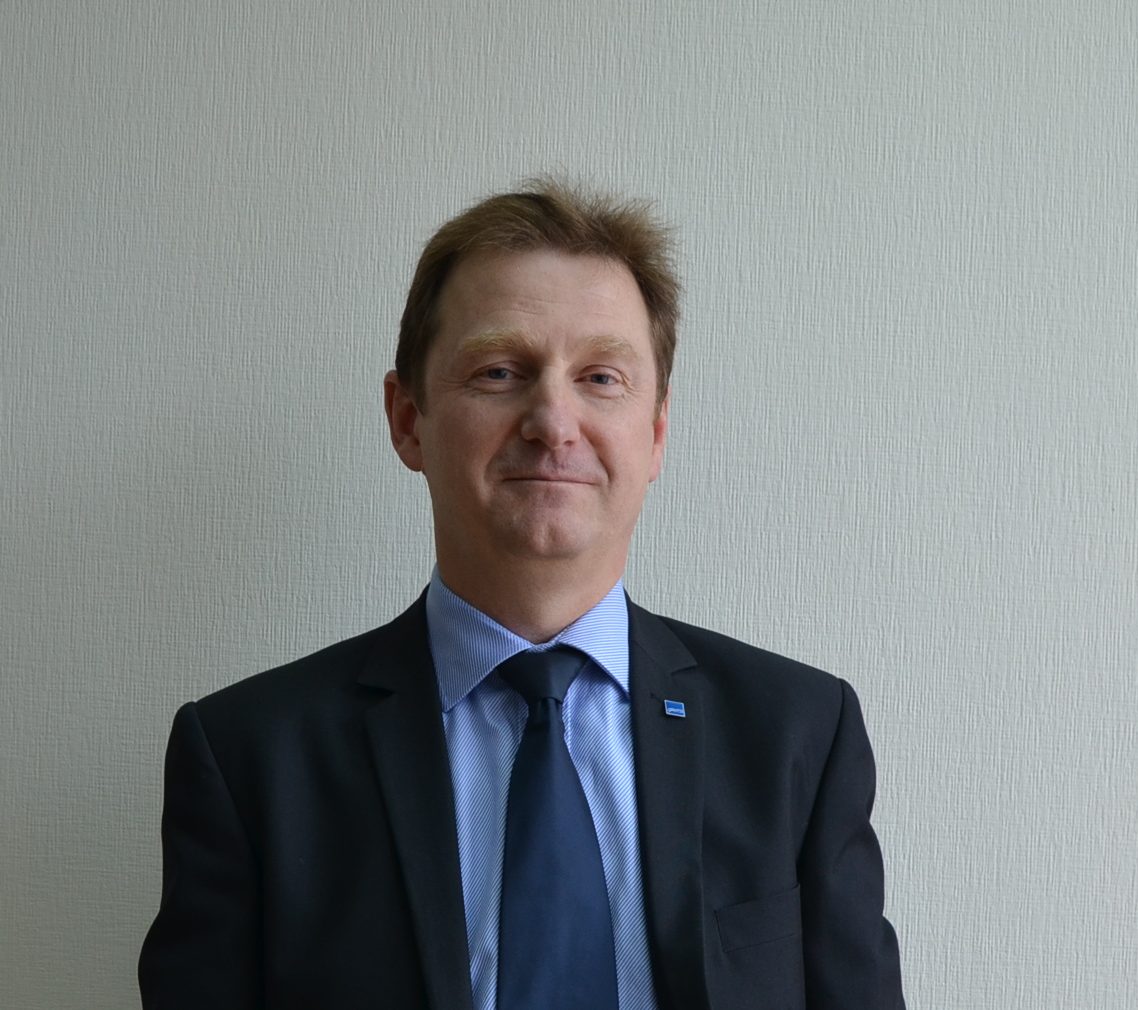
Alexander Laukart
General Manager
GrECo Ukraine
T+38 050 313 00 77