
From the consolidation of family-run firms to the rise of sector specialisation and digital innovation, Greece’s insurance sector is bouncing back. Paul Johannes Spittau, Head of Group Carrier Relations & Insurance Mediation at GrECo International, caught up with George Zafiriou, General Manager at GrECo Hellas, to explore the influences on the market’s transformation.
Market Transformation in Greece
Spittau: The world is in flux, and we live in a time of global poly-crisis. What are the specific developments and challenges facing your clients today and in the next five years?
Zafiriou: Over the past decade, Greek corporates and insurers have faced major challenges, from the debt crisis and pandemic to recent inflation linked to the war in Ukraine. These events have driven insurance buyers to prioritise price and solvency, while local insurers have become more reliant on international reinsurers, whose appetite and capital continue to shape the Greek market.
In 2025, the market is relatively stable, but clients see higher premiums in property and specialty lines due to global catastrophe losses, alongside increased regulatory and digital compliance demands.
Looking ahead to 2026/2027, climate transition costs, talent shortages, and rapid AI adoption will reshape client risks and how insurers respond. By 2028/2030, the key challenge will be securing sustainable reinsurance capacity as climate losses rise, while ensuring growth in renewables, shipping, and technology will remain both insurable and resilient.
Economic and Political Shifts
Spittau: How are current political, economic, and ecological conditions shaping the corporate risk landscape, and what implications do these changes have for the insurance industry as a risk carrier for companies?
Zafiriou: Previously, Greece’s political instability, high debt, and environmental neglect created a fragile risk environment, making insurance costly and difficult to obtain. Improved stability, economic growth above the Eurozone average, and regained investment-grade status have changed this. However, intensifying ecological pressures, such as wildfires, floods, and heatwaves, highlight ongoing vulnerabilities in infrastructure and tourism. Corporates are now prioritising continuity planning, ESG compliance, and resilience.
For insurers, global reinsurers are tightening terms for natural catastrophes, raising premiums and stricter underwriting. In the next four or five years, insurers must balance capital and reinsurance needs with offering innovative solutions in climate adaptation, cyber resilience, and employee benefits, positioning themselves as key partners in managing systemic risks.
New Challenges and Opportunities
Spittau: Which economic sectors or industries are anticipated to receive increased investments in the coming years, and how will this trend affect the risk industry?
Zafiriou: While investment in Greece was previously limited to tourism and shipping due to the debt crisis, foreign investment has now expanded into renewables, digital infrastructure, logistics, and real estate. Tourism and shipping remain core, but Greece’s role as an energy and transport hub is growing.
For insurers, this diversification brings new risks: renewables face construction and climate challenges; digital growth increases cyber risk; and logistics require marine and liability solutions. The main task for insurers through 2030 is to match capacity and reinsurance support with these investments, while developing products that support Greece’s ongoing modernisation.
Regulatory Demands and Compliance
Spittau: What regulatory challenges are companies facing?
Zafiriou: Greek companies used to operate in an environment of fragmented oversight, often reacting to sudden regulatory changes driven by fiscal consolidation needs. Today, the landscape has become more structured but also far more demanding: EU-driven rules on ESG disclosure, digital reporting obligations, and stricter data protection standards are reshaping corporate compliance. The tax authority’s accelerated digitalization and the rollout of instant payment systems have added another layer of operational adjustment.
For insurers, these developments heighten the importance of directors & officers’ liability, cyber risk, and compliance-related coverages, as boards face more scrutiny than ever. Looking ahead, the regulatory tide will not recede. Climate risk disclosures, AI governance frameworks, and pan-European insurance directives will continue to evolve, meaning companies must treat compliance not as a burden, but as a strategic pillar where risk transfer can provide critical support.
The Changing Role of Intermediaries
Spittau: How is the insurance broker market evolving in Greece?
Zafiriou: In the past, Greece’s broker market was fragmented, dominated by smaller family-run firms with limited specialisation. However, consolidation and international partnerships have now reshaped the landscape, with larger players able to deliver broader expertise and digital capabilities. Clients now expect brokers to act not only as intermediaries but as strategic advisers on risk, compliance, and employee benefits. This shift has raised the bar for professionalism, technology adoption, and transparency. Looking ahead, brokers who invest in sector specialisation, data-driven solutions, and strong ties with international reinsurers will be best placed to thrive, as clients demand more complex and globalised coverage solutions.
Standing Out from the Crowd
Spittau: How does GrECo’s approach in Greece differ from local brokers, and what do you focus on when advising clients?
Zafiriou: For many years, the Greek broker market was dominated by small, locally owned firms whose strengths lay in relationships and transactional placement, but whose resources were limited in terms of specialty expertise and international reach. As Comergon now operates as GrECo Hellas, the approach differs in that we combine the continuity of local market knowledge with the depth of a regional group that spans Central and Eastern Europe. This means we advise clients not only on pricing and coverage, but also on broader risk management, regulatory compliance, and access to international reinsurance capacity. Our focus is to act as strategic partners, helping corporates anticipate emerging risks such as ESG disclosure, cyber threats, and climate exposures, while ensuring that our clients in Greece benefit from the leverage, data, and innovation that only a larger group can provide, without losing the local proximity and trust we have built over decades..
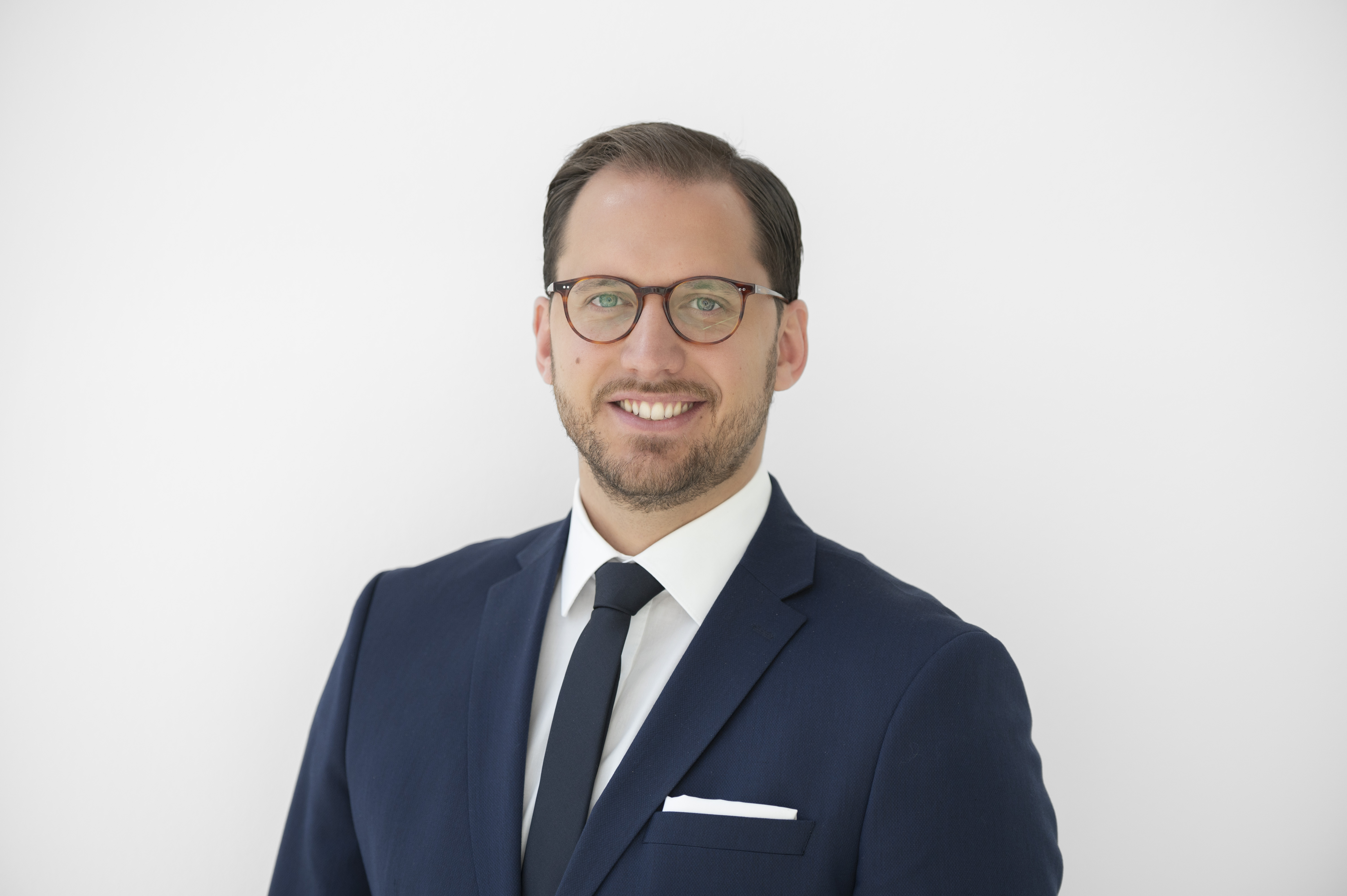
Paul Johannes Spittau
Head of Group Carrier Relations & Insurance Mediation
T +43 664 537 17 42

George Zafiriou
General Manager
GrECo Hellas