
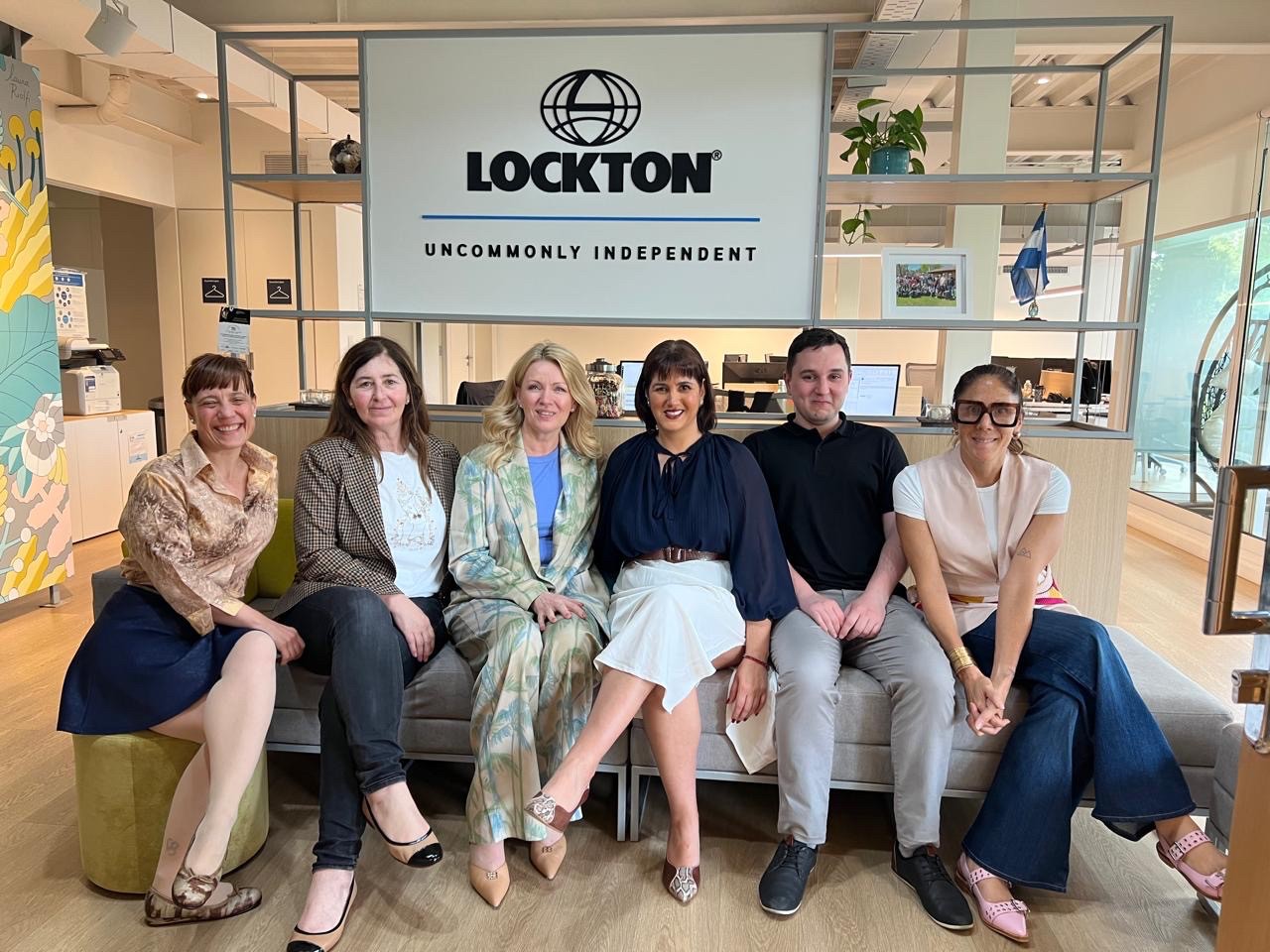
Argentina is experiencing economic reorientation, greater regulatory stability, and increased investment across sectors. In this context, Natalia Morris, Head of International at GrECo Group, spoke with Maria Florencia Medina, Multinational Leader at Lockton Argentina, and Ricardo J. Rosenthal, Chairman at Makler, about how businesses can manage emerging risks and leverage new insurance solutions in this complex, opportunity-rich market.
Market Landscape and Trends
Morris: How would you describe the current economic and political environment in Argentina, and what impact does it have on corporate risk management?
Medina: Argentina is moving toward a more outward‑looking and investment‑friendly economic stance, supported by moderating inflation and projected GDP growth. The new RIGI framework is attracting foreign investment, especially in mining and energy, giving companies greater planning predictability.
Rosenthal: Recent congressional results have improved political stability and policy continuity, strengthening investor confidence. For corporates, however, traditional risks now coexist with fast‑emerging exposures such as cyber, AI and climate‑driven events, making risk management increasingly strategic.
Morris: Which sectors do you expect to see the most growth in the next three to five years, and how will that influence insurance demand?
Rosenthal: Agriculture, mining and oil & gas will anchor Argentina’s expansion. These capital‑intensive sectors require high limits and specialist underwriting, often surpassing domestic market capacity and relying on international reinsurance.
Medina: Energy, Oil & Gas, Fintech, Technology and Agribusiness are expanding rapidly, generating demand for sophisticated insurance programmes – from property and liability to cyber and specialty coverages requiring multi‑market placements.
Risk and Insurance Challenges
Morris: What are the major risks for foreign companies operating in Argentina, and what compulsory insurance coverages should they be aware of?
Rosenthal: Foreign investors face FX volatility, regulatory unpredictability, political and social tensions, climate‑related hazards, and increasing cyber exposure. Mandatory insurance requirements include Workers’ Compensation (ART), motor liability, group life and sector‑specific covers.
Medina: Multinationals must contend with Argentina’s judicialised ART system, currency risk and regulatory complexity. Beyond ART and life cover, environmental guarantees and industry‑specific policies are often compulsory.
Morris: ESG and climate risk are global priorities. How are local insurers responding?
Medina: Local insurers are tightening capacity for organisations that fail to meet ESG standards, particularly in the D&O market. Climate‑related insurance offerings, such as parametric weather and carbon‑credit solutions, remain in early development.
Rosenthal: Regulators are aligning Argentina with global sustainability frameworks, prompting insurers to modernise solvency rules, enhance catastrophe modelling and offer sustainability‑linked products and risk‑engineering services.
Market Dynamics
Morris: How would you characterise the current insurance market in Argentina in terms of pricing, capacity and competition?
Rosenthal: The market is fragmented and highly competitive, driving pressure on pricing -particularly in retail. For large industrial risks, reinsurer requirements are tightening terms and conditions.
Medina: There is significant contractual capacity from both local and international insurers, often starting around USD 20 million. Reinsurer interest is growing, expanding facultative opportunities.
Morris: Are there any innovative products gaining traction?
Medina: Cyber and parametric covers are gaining momentum, although broader P&C innovation is gradual. Tailored solutions often require combining multiple market tools and specialist capacity.
Rosenthal: Innovation is most visible in cyber, employee benefits and parametric agriculture/weather products, which offer faster payouts and improved liquidity.

Broker Perspective
Morris: How does the role of brokers in Argentina differ from other markets?
Rosenthal: Brokers cannot handle premiums or issue certificates, which elevates their advisory and claims‑advocacy role. Clients rely heavily on strong technical guidance and placement strategy.
Medina: Argentina is a highly intermediated market where clients value technical expertise, negotiation strength and personalised service.
Emerging Risks and Future Outlook
Morris: Finally, which emerging risks are most relevant for Argentine businesses today, and what does the future look like?
Rosenthal: Workers’ compensation litigation, climate‑driven events, cyber capacity constraints and inflationary dynamics pose major challenges. Still, sectoral growth, especially in mining, energy and agribusiness, will drive demand for tailored risk programmes and innovative solutions.
Medina: Cyber, AI‑driven and environmental risks are rapidly increasing, particularly across Oil & Gas, Mining and Technology. Capacity, pricing pressure and evolving reinsurance terms remain key challenges but also create opportunities for specialised risk management.
About Lockton Argentina
Lockton provides comprehensive risk consulting, dedicated service, and indepth coverage analysis to offer fully tailored solutions. Technology and dynamic selfservice tools will be key differentiators in client service.
About Makler
Makler provides specialised risk advisory and tailored insurance solutions, combining strong technical expertise with a deep understanding of local market dynamics to support companies operating in complex environments.

Maria Florencia Medina
Multinational Leader Lockton Argentina

Ricardo J. Rosenthal
Chairman
Makler
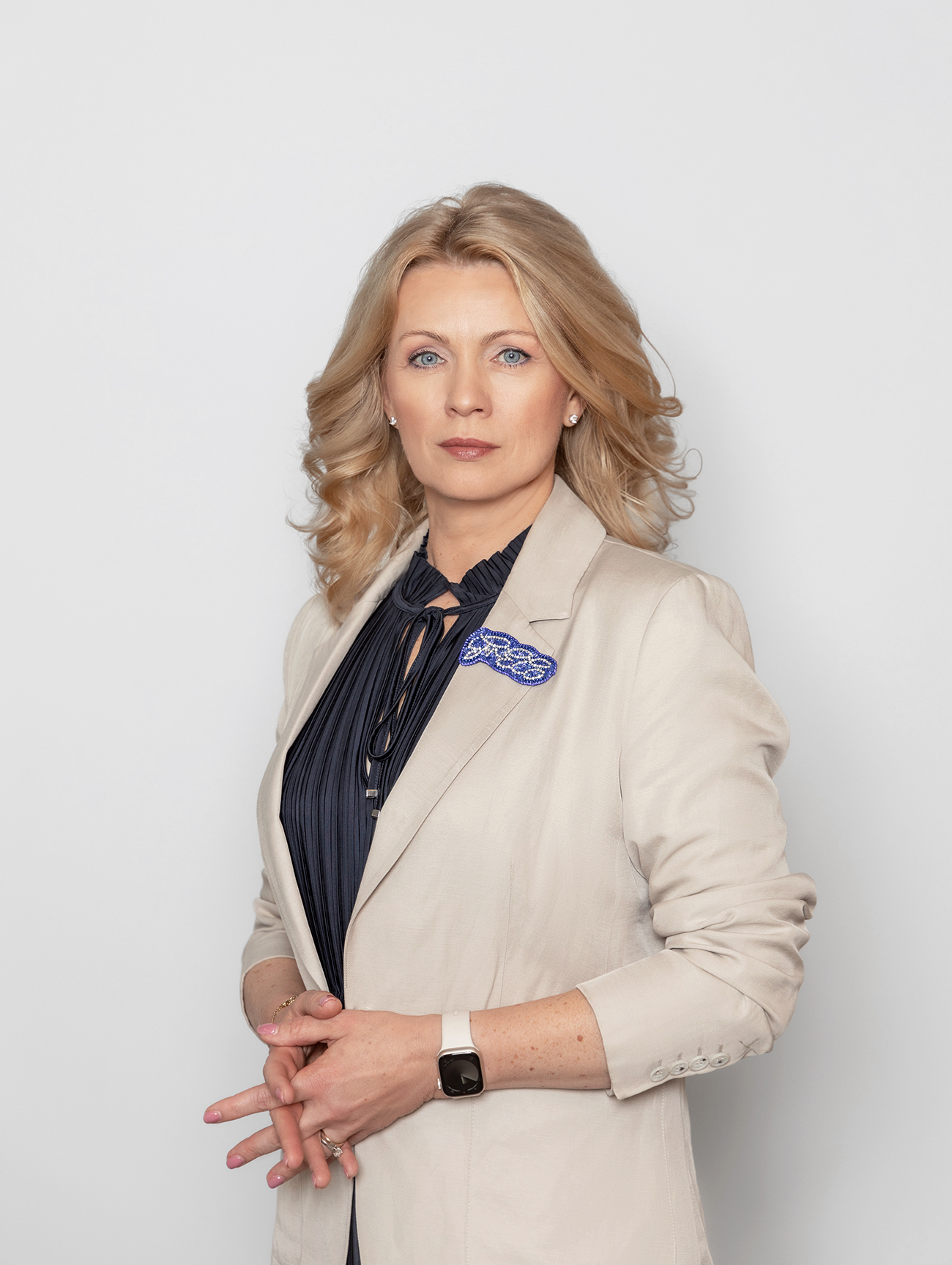
Natalia Morris
Group Head of International
T +61 44 777 9001