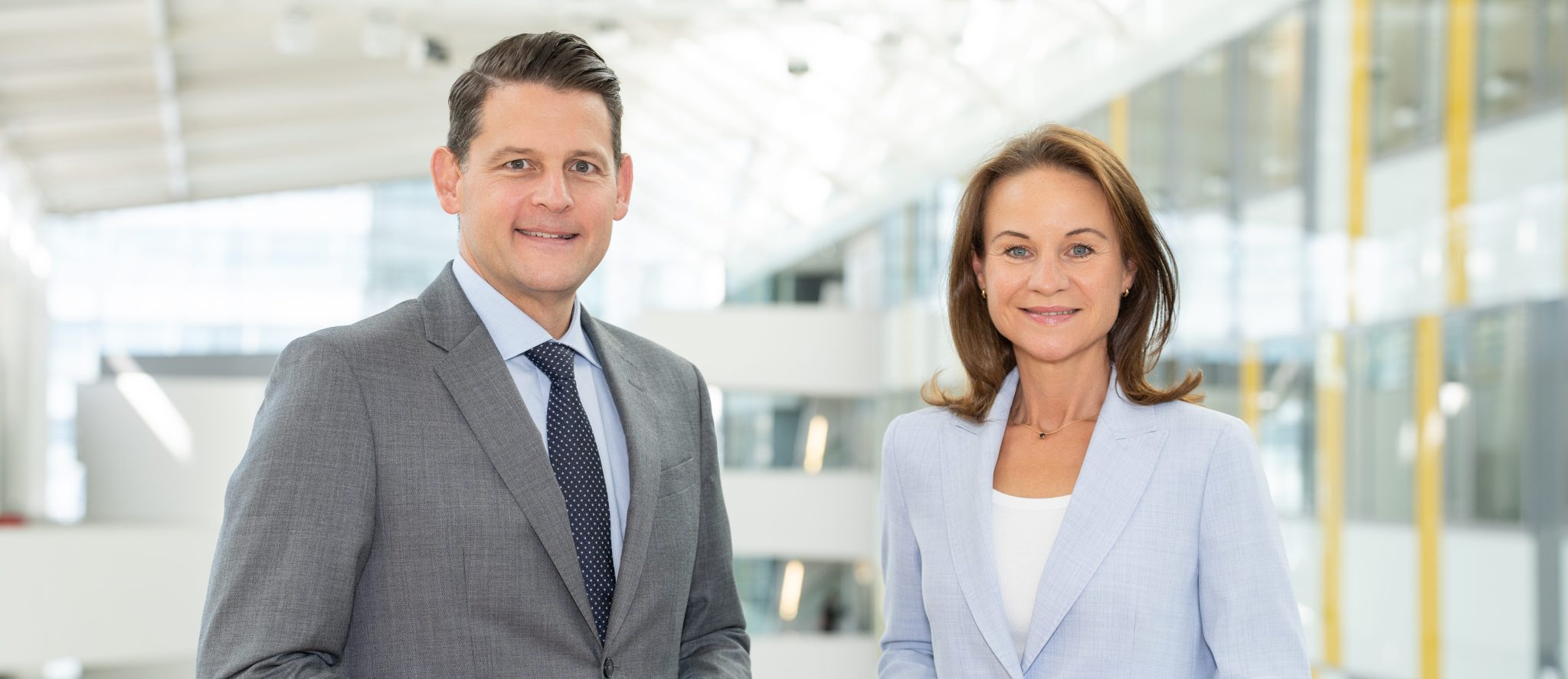
Georg Winter, CEO of GrECo Group, and Siemens Austria’s CEO Patricia Neumann discussed how AI is transforming industry, work, and governance .
In today’s rapidly changing digital landscape, Europe faces complex challenges at the intersection of technology, policy, and global relations. As the continent seeks to protect its technological sovereignty, leaders are asking how best to harness AI’s potential while ensuring trust, security, and ethics. Against this backdrop, Georg Winter, CEO of GrECo Group, and Siemens Austria’s CEO Patricia Neumann discussed how AI is transforming industry, work, and governance and whether Europe can lead digital transformation with resilience, innovation and ethical foresight.
Geopolitics from a Technology Perspective
Winter: When we think about the influence of technology on geopolitics, the conversation inevitably turns to trust, especially in AI. How do you see the role of technology shaping the geopolitical landscape, and what does trust in AI mean for the industrial sector in Europe?
Neumann: AI is reshaping the landscape of the workforce and presents a significant opportunity for the industrial sector – particularly in Europe. It has the potential to create jobs that are yet to be fully recognised. The future of work will be intricately connected to the digital world, and the increasing use of technology will elevate the complexity and demands of many roles.
If you take the industrial sector as an example and how AI reshapes it: nowadays, interconnected machines are already generating vast amounts of data. Thanks to AI, we can convert this data into valuable insights for purposes such as product design and optimising production processes. At Siemens, we recognise the immense potential of AI and are leveraging it to assist our customers in their digital transformation journey. By harnessing the power of AI, we aim to equip our clients with the tools and resources needed to navigate the evolving industrial landscape, enabling them to maximise efficiency and drive innovation. Studies expect an increase of value creation by AI in Austria by 18 percent – that will change our industry and economy significantly.
Strengthening Sovereignty in Challenging Times
Winter: It’s impressive to see such tangible impact predicted. That kind of transformation also raises questions about Europe’s position on the global stage. With mounting geopolitical tensions and dependencies on external tech giants, the question of European technological sovereignty becomes pressing. What measures do you see as essential for Europe to strengthen its sovereignty?
Neumann: Europe is indeed facing challenging times, with countries like Austria experiencing economic headwinds. We are living in a potentially third year of a recession. However, I firmly believe that periods of disruption often catalyse innovation and transformation. The path forward for European technological sovereignty requires a three-pillar approach: First, we must foster robust ecosystems where businesses, academic institutions, and research centers collaborate seamlessly. Second, we need targeted investments in strategic technologies like artificial intelligence or sustainable energy solutions. Third, and perhaps most crucially, we need stronger alignment between industry leaders, policymakers, and research institutions. By creating these integrated innovation networks and focusing our investments on key technological domains, Europe can reduce dependencies and build its competitive advantages. The current challenges present an opportunity to reshape our technological landscape and strengthen Europe’s position in the global digital economy.
Resilience through Collaboration
Winter: The idea of integrated innovation networks is certainly compelling. It’s clear that collaboration will be at the heart of any successful strategy – especially as we contend with global disruptions and increasing cyber threats. How do you see public-private partnerships contributing to Europe’s resilience, particularly when it comes to securing critical infrastructure and digital supply chains?
Neumann: By combining the expertise and the resources of public and private sectors, public-private partnerships are crucial for securing critical infrastructure. PPPs can leverage the strengths of both sectors to develop innovative solutions that address cyber-attacks and -threats. I firmly believe that collaborations and ecosystems are the key to a successful future.
European Leadership in Ethical AI
Winter: The ability to pool expertise and resources is more vital than ever, especially as digital supply chains become more complex and interconnected. But with rapid advancements in AI, concerns around ethics and governance are growing as well. How should Europe approach AI frameworks to balance innovation with responsibility, and do you think European leadership can help shape global standards?
Neumann: We need AI frameworks, although that is out of the question. But a regulatory framework is needed to support rather than hinder technological advancement. We need to ensure that AI systems are safe, transparent, and ethical – but at the same time we should not undermine the innovative strength of our European companies. If we can find that balance, we’d be able to shape global standards.

Opportunities for Europe
Winter: The imperative for Europe to champion sustainable urban development and accelerate the energy transition has never been more urgent. As cities become focal points of innovation and resilience, leveraging collaborative strengths and bold thinking is essential for economic prosperity and climate goals. How can Europe lead in sustainable urban development and energy transition?
Neumann: Europe stands at a critical juncture in sustainable urban development, digitization and energy transition, and we must act decisively now. The good news is: Europe already possesses comprehensive expertise and proven solutions in this field, particularly in smart grid management and urban sustainability. Let me be very clear: The transformation of our distribution grids is not optional – it’s imperative for our climate goals. Our research shows that we’re currently leaving a significant potential untapped. At Siemens, we’ve identified that a substantial double-digit percentage of free capacity lies dormant in distribution grids due to insufficient automation. This is where Europe’s technological leadership comes into play. Through innovative software solutions we are able to unlock enormous potential.
Reimagining Education
Winter: Before we can truly bridge the widening skills gap in Europe, we must recognise that conventional education models alone will not suffice. As digital transformation accelerates, the way we learn must become as adaptive and innovative as the technologies reshaping our industries. Investment in peer learning networks, fostering environments where reverse mentoring thrives, and making AI literacy foundational – not optional – all represent crucial pillars for the future workforce. In my view, this is not simply an opportunity but an obligation: only by cultivating a culture of continuous, inclusive learning can Europe remain globally competitive and resilient.
What strategies can Europe employ to modernise education formats and close the skills gap through peer learning, reverse mentoring, and AI literacy?
Neumann: We are all witnessing a fundamental transformation in the skills landscape. The rapid pace of technological advancement means that many of the critical competencies our businesses will need in the coming years aren’t even part of today’s curriculum. This isn’t just a challenge – it’s a call to action for businesses and educational institutions to reimagine how we prepare talent for the future. As a company, we also contribute to supporting our employees in lifelong learning – this is something we take seriously at Siemens, and we provide our employees with access to a broad range of further education and learning opportunities.

Cultural Diversity and Inclusive Innovation
Winter: True innovation flourishes when we are intentional about embracing a multitude of perspectives and backgrounds. Forward-thinking organisations recognise that diversity and equity aren’t just values – they’re powerful drivers of creativity and progress. How can inclusive innovation, where diversity and gender equity are strategic advantages, give Europe an edge in tech leadership?
Neumann: Europe’s strength lies in its cultural diversity, and we must leverage this advantage in tech leadership. By actively supporting diverse leadership pipelines, and creating inclusive innovation ecosystems, we can tap into previously underutilized talent pools. This isn’t just about social responsibility – it’s a business imperative. Companies with diverse teams are proven to be more innovative, better at problem-solving, and more successful in global markets. By making diversity and inclusion central to our innovation strategy, Europe can differentiate itself and lead in developing technology solutions that truly serve all of society.
About Patricia Neumann
Patricia Neumann has been CEO of Siemens Austria since May 2023. With a strong background in digital transformation and leadership from her time at IBM, she is recognised for driving innovation and shaping Austria’s tech landscape. She also serves as Vice President of the Federation of Austrian Industries.
About Siemens Austria
Siemens Austria is one of the country’s leading technology companies, with a legacy of over 145 years. The company plays a key role in automating, electrifying, and digitalizing Austria’s infrastructure and industries, employing over 12,000 people nationwide.
HORIZON Risk Thought >> Fast Forward
The complexity of today´s risk environment is changing at an accelerating pace, making risk management even more challenging. We have created HORIZON, firstly as a print publication and now as a page for sharing the latest insights about ongoing transformations. Our risk specialists will continue to provide their expertise and knowledge to shine a light on the challenges of the future.
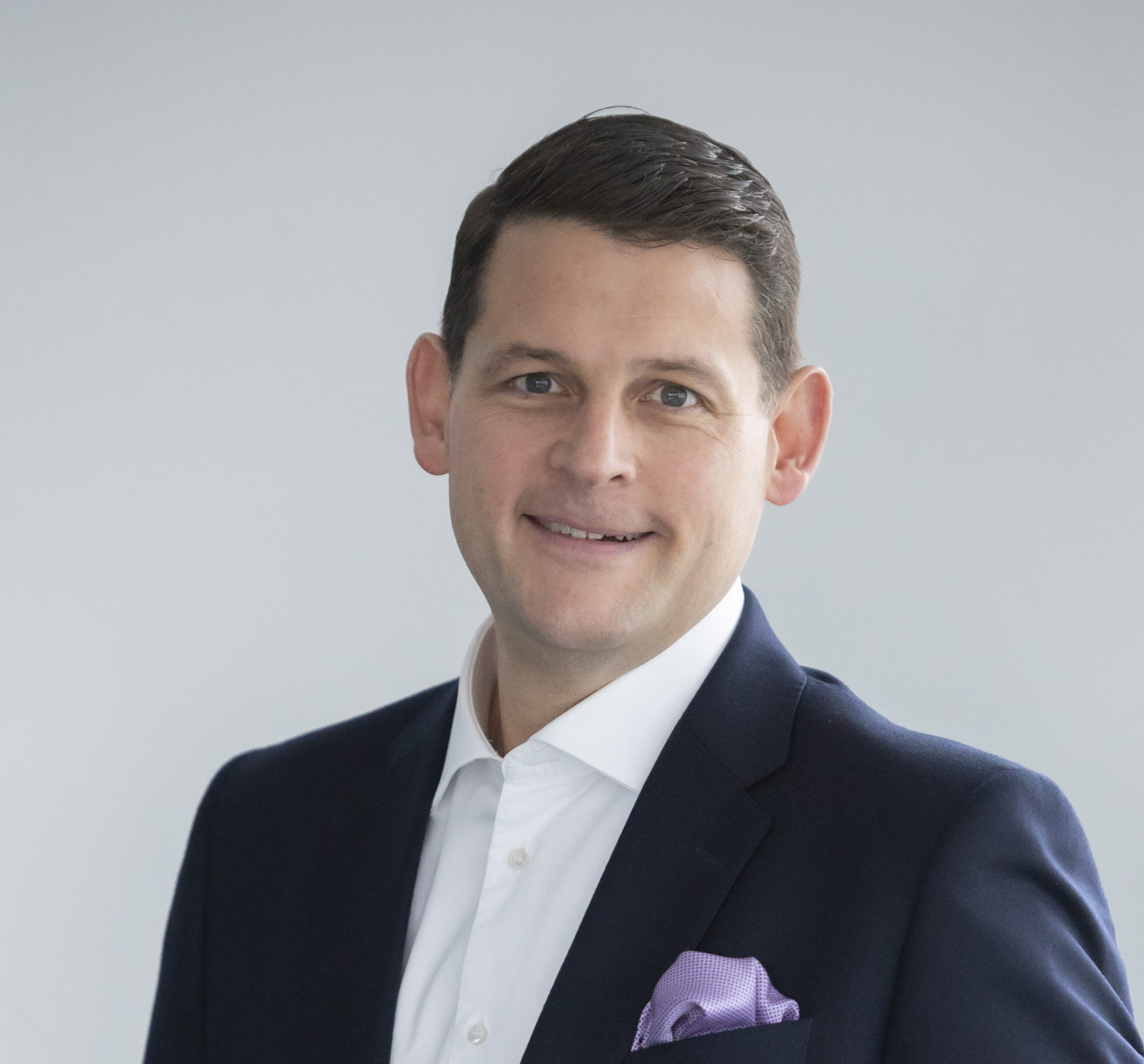
Georg Winter
CEO GrECo Group
T +43 664 962 39 06
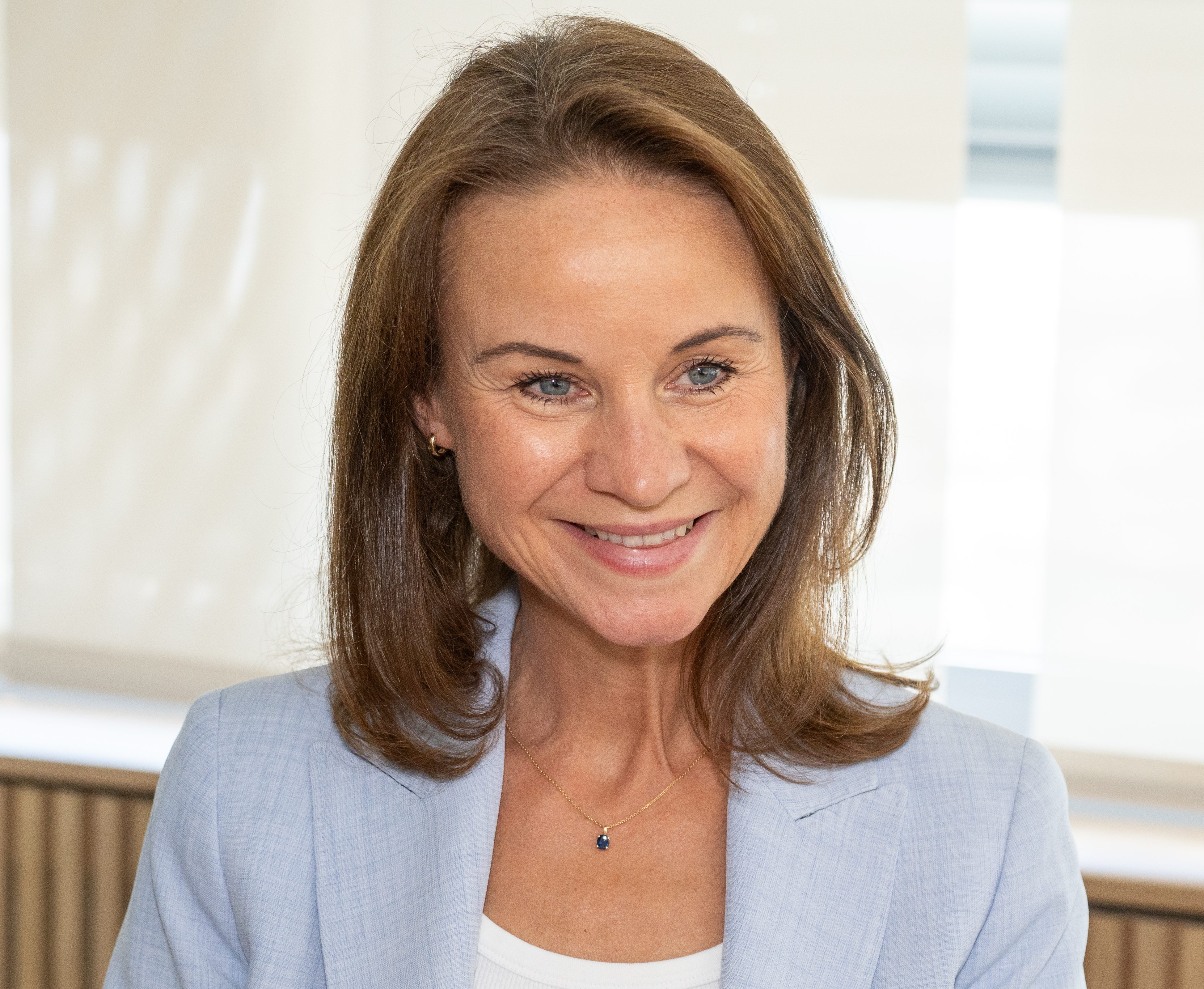
Patricia Neumann
CEO
Siemens Austria