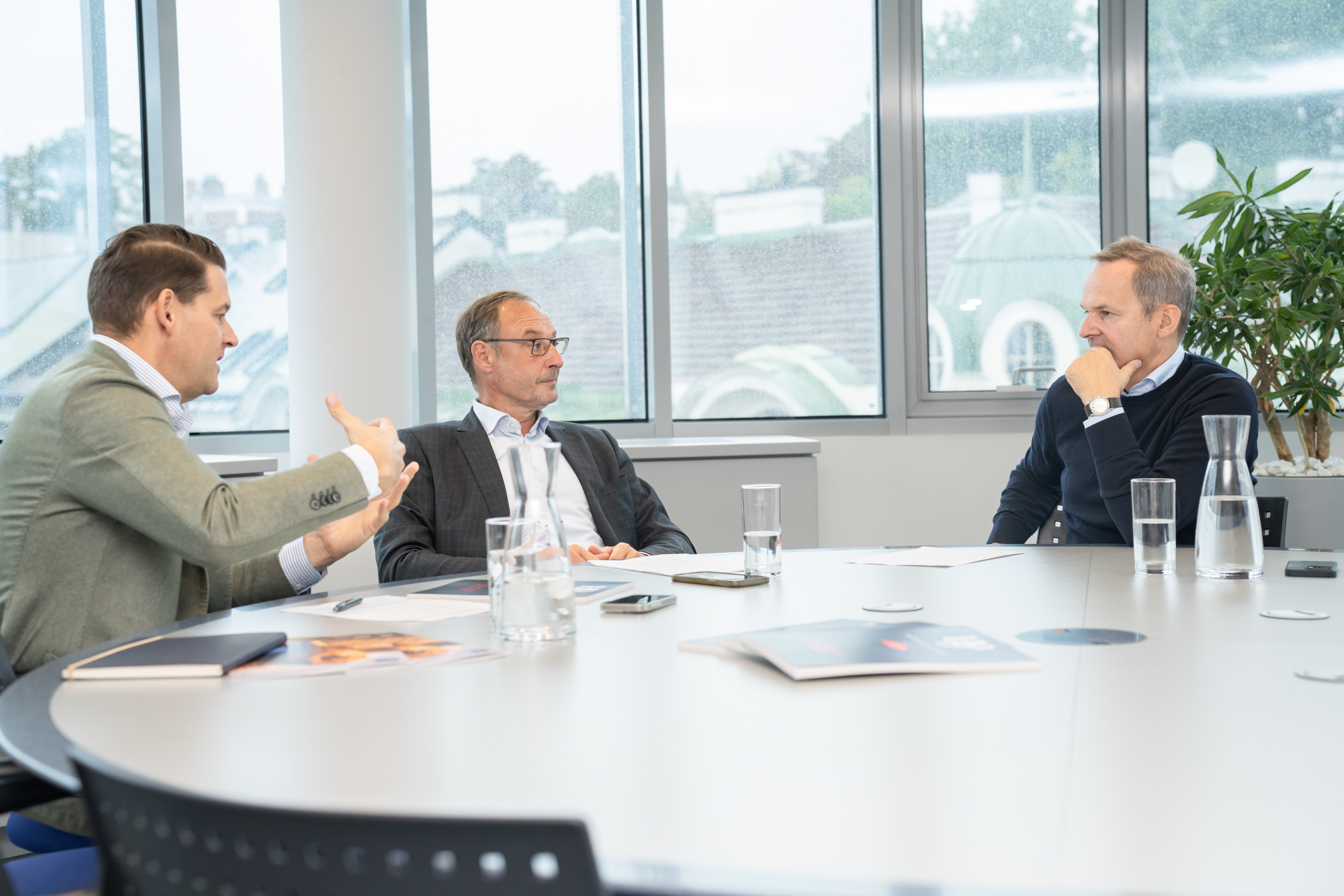
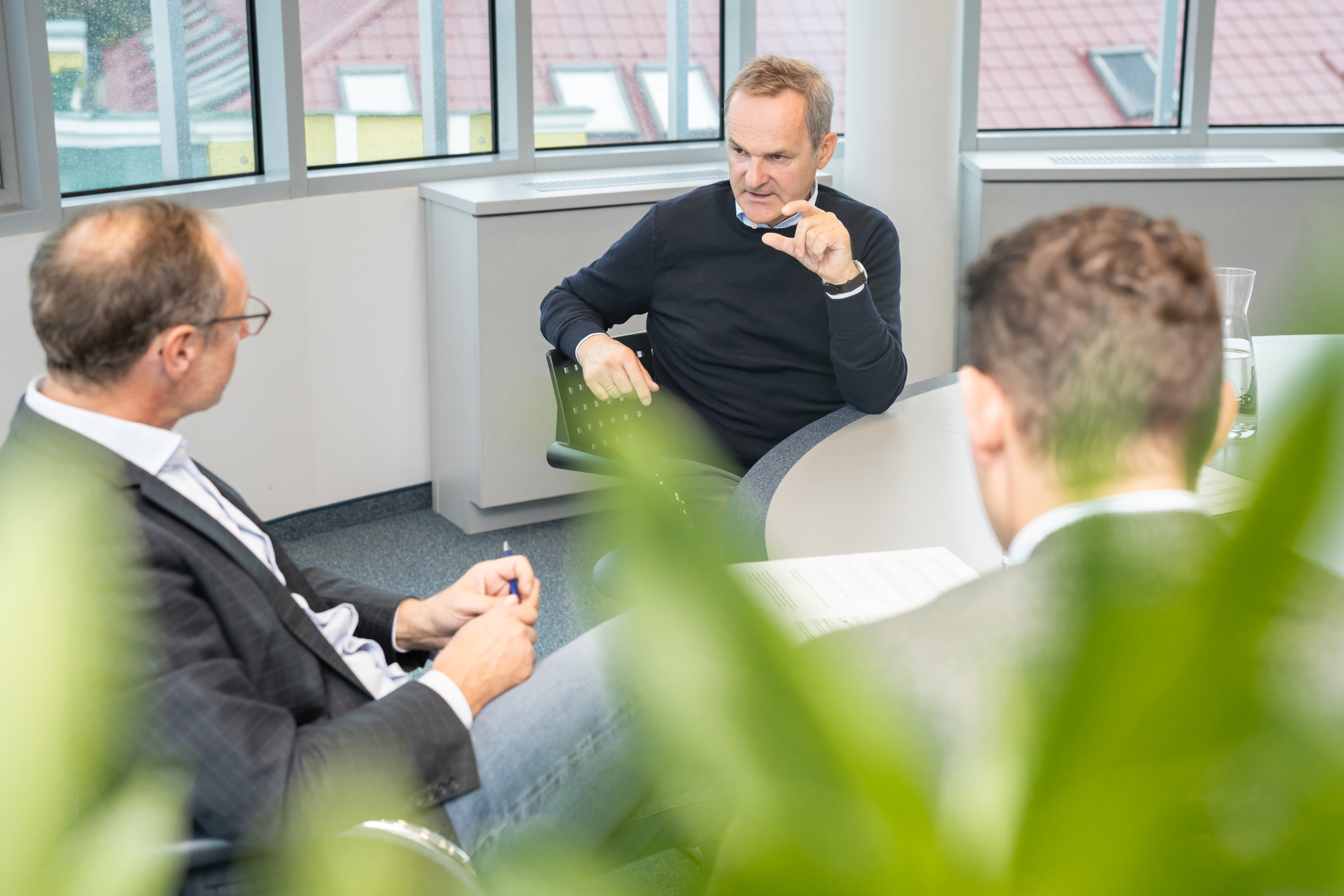
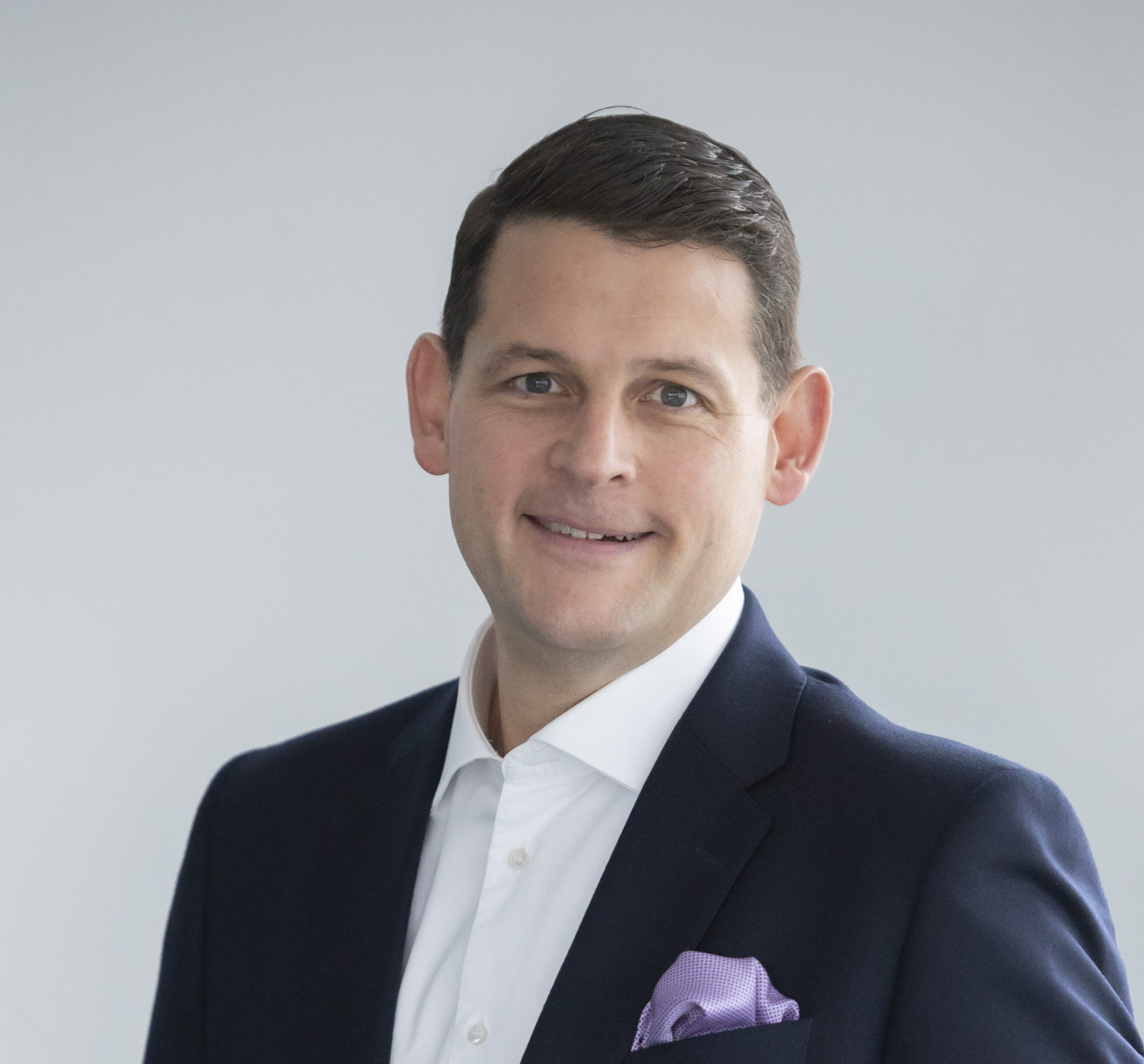
Georg Winter, CEO GrECo Group and Joachim Schuller, Head of Health & Benefits at GrECo Austria, spoke with Franz Schellhorn, Director of think-tank Agenda Austria, to uncover why Austria’s pension system lags and how it can learn from other countries.
Austria’s pension system is facing significant challenges, hampered by a reluctance to adapt to demographic and economic pressures. While other European nations have implemented vital reforms, Austria remains the “early retirement champion” of Europe. A shocking 30 billion euros – quarter of the federal budget – goes towards sustaining the current system. This inertia endangers both public finances and the future stability of pensions.
Georg Winter, CEO GrECo Group, and Joachim Schuller, Head of Health & Benefits at GrECo Austria, spoke with Franz Schellhorn, Director of think-tank Agenda Austria, to uncover why Austria’s pension system lags and how it can learn from other countries.
How does Austria compare with other European nations?
Schuller: Let’s start on a large scale and compare Austria with Europe, or rather internationally. Where does Austria stand as a country?
Schellhorn: We are at the top of the list when it comes to refusing to reform. That is certainly something that characterises Austria at the moment, because many countries have made their pension systems sustainable, that is, they have adapted them to demographic change.
We are still the European champions of early retirement. Hardly anyone retires as early as we do.
Our pension system demands vast budgetary resources. Although we are not at the top when measured against GDP, the fact that a quarter of the federal budget—about 30 billion euros—is used just to cover the financial shortfall of the state pension system places us in a precarious position. This is a significant concern, especially for the finance minister, whether current or future, because stabilizing this system should be a priority.
In comparison, nearly all other countries have taken substantial measures to stabilize their pension systems. The fact that we spend more than twice as much on covering the pension deficit as we do on our entire educational system, from kindergarten to university, highlights the gravity of the situation. Addressing this imbalance should be our primary focus, as neglecting to do so only exacerbates the financial strain on our national budget.
Success stories from other countries
Schuller: You mentioned pension reforms in other countries. The Scandinavian nations are often cited as exemplary models, and even Germany has made some recent adjustments. What are they doing differently?
Schellhorn: Sweden’s transformation was remarkable. Facing a financial crisis, Sweden took on the large expenditure items on a sizable scale. They secured their pension system financially and put pension decisions in citizens’ hands, allowing them to see the benefits of working longer. This led to 75% of 55 to 64-year-olds staying in the workforce, compared to just over 50% in Austria. Swedes stay in the labour force longer. They don’t always work full-time, but they pay contributions for longer and receive benefits later.
Denmark anticipated demographic changes in the 1970s and invested in company pensions, now holding over 200% of their annual economic output in pensions, compared to Austria’s 5 to 6%. The Netherlands and Switzerland also have significantly more.
Aligning retirement age with life expectancy and reinforcing company pensions are key strategies. These measures complement rather than replace the state pension, a model Austria urgently needs to follow.
Implementing a second pillar in Austria
Winter: So, it seems evident that implementing a second pillar, specifically a company pension scheme, is a logical step for Austria. Even though achieving a level comparable to Denmark’s might take years, perhaps decades, it’s a necessary evolution for our system.
Schellhorn: Indeed, but we must begin somewhere. Although Austria has a second pillar, it is not yet effective. In Switzerland, every company, regardless of size, must set up a company pension scheme. Austria should follow this model to secure the first pillar and allow the population to share in the wealth increase. Missing this opportunity would be negligent.
Furthermore, recent stock market fluctuations make it harmful for politicians to label the capital market as dangerous and unsuitable for pensions. In Sweden and Denmark, no one would make such statements. They understand the value of their pension systems and the long-term benefits of the stock markets, knowing that establishing a second, company-based pillar was the best decision, despite minor corrections.
Schuller: Because it has been proven to be the most profitable in the long term. But where does this scepticism in Austria come from?
Schellhorn: I believe there are several contributing factors. Scandinavian countries are often more pragmatic in economic matters, possibly due to their trading nature, whereas Austria assesses economic risks differently. The Swiss, initially similar to us, eventually adopted a more sober economic policy.
In Scandinavia, there’s a general consensus on topics like free trade and pension provisions, even if entrepreneurial and trade union perspectives differ. My theory is that non-Catholic countries navigate these economic policies more easily.
What baffles me in Austria is the strong opposition from employee representatives to company pension schemes, especially since many have such schemes within their own organisations. In fact, employers should be the ones concerned about high wage and ancillary costs. Yet, it’s the employee representatives who are the most resistant.
Winter: If you look at the arguments put forward by the trade unions, it is often the issue of social compatibility.
Schellhorn: Firstly, it is that they do not want insurance companies and banks to benefit financially from the pension system. That is the first argument. The second is social compatibility.
The first argument can be countered by suggesting companies establish their own pension funds or even manage funds through more stable entities like the Norwegian state fund.
The notion of social compatibility is intriguing. Currently, the disparity lies in some having company pensions while many do not, which is socially incompatible. Our aim should be universal pension access, ensuring everyone benefits from capital gains and security. Even if some firms fail to deliver promised pensions, recipients still fare better than those without any pension.
In my view, this resistance is largely ideological, rooted in the strange belief that stock markets are less reliable than casinos. A prosperous country like Austria should eventually overcome this misconception.
And what’s more in Austria, when discussing pensions, people often assert, “I’ve paid in so much, therefore I’m entitled to this pension.” They believe 45 years of payments is sufficient. However, the reality is that we only average 33 years of contributions.

Beneficial solutions for employees and employers
Schuller: We’ve looked at the employee side, what about the employers? Of course, employers should not be burdened additionally, meaning they don’t want any further expenses. Do you see any possibilities for finding a solution somewhere where both sides can benefit?
Schellhorn: At Agenda Austria, we’ve explored ways to implement this system without further inflating our already high labour costs. One proposal is to transfer the new severance pay to the second pillar, which constitutes 1.53% of the gross wage. If rounded up to 2%, only 0.47% would have to be added. Additionally, we could reallocate non-work-related benefits like housing assistance to offset costs. Another suggestion is to finance family support from the general budget rather than labour costs, as practised in other countries. This would provide enough leeway to introduce a second pillar without increasing labour costs, potentially even reducing them.
For employees, a balanced approach might involve a 2% contribution from both employers and employees, but it should remain optional. The tax design must benefit employees to ensure their participation. Although the state might face short-term tax shortfalls, future generations would ultimately benefit.
Schuller: So, you would say, taxation in the pension phase then? Trade unions might argue that those who can afford to pay more into their pensions will do so, which is unfair – the higher one’s income, the greater the tax rebates.
Schellhorn: Yes, taxation only in the retirement phase.
In a non-communist system, disparities are inevitable. Higher earners can pay more, and successful companies might contribute more than the 2%.
Flexible retirement ages
Schuller: Earlier, we briefly touched on the topic of flexible retirement ages. Some European countries have already implemented this and link retirement to life expectancy. Why aren’t we doing this in Austria?
Schellhorn: The topic of flexible retirement ages is politically taboo. When the pension reform occurred in 2003, it had significant impacts, but times change. Many people today recognise the need for change, particularly when considering their children and grandchildren. They understand the urgency due to the imbalance between contributors and pensioners. This issue should have been addressed long ago.
Public perceptions and realities
Winter: There is an interesting phenomenon in Austria. Surveys show that at least half of Austrians believe they will only receive a minimal pension, if any. Are we heading towards disaster with our eyes wide open?
Schellhorn: Many young people today believe they won’t receive any pension, or only a minimal one. It’s a distant concern for them, as they’re focused on building their lives. However, pensioners should be the most interested in younger people working longer, as eventually, the burden on the younger generation will become unbearable. Currently, there are 1.5 workers for every pensioner, and some workers are reducing their contributions by working part-time or less. By 2050, Austria will have one million more pensioners. Despite this, pensioners’ associations and politicians seem to believe that the current system is sustainable, when I would say it is quite unreliable.
Potential solutions and adjustments
Schuller: Do you therefore think that there will be cuts in pensions?
Schellhorn: We have three options: increase contributions, reduce pensions, or work longer. The most socially acceptable solution is to delay early retirement by a few months. This approach is reasonable for most Austrians.
Increasing contributions, which are already at 22.8% of gross wages – among the highest in Europe -would weaken the standard of living and provoke unrest. Cutting pensions should be the last resort.
Retirement anxiety is high among those around 61 or 62 due to fears of system changes. High deductions act as the right incentive, so people accept lower pensions to retire early. This is a psychological reaction: better to have a smaller pension now than risk uncertainties of future changes and potentially have to work until 67.
Poverty in old age
Winter: Is there a concern about poverty in old age, or do retirees have other sources of income to rely on?
Schellhorn: Poverty in old age is completely absurd for pensioners in Austria, as pensions now represent 90% of the average income, which is relatively high. Originally, the pension system was designed to ensure that individuals could have a roof over their heads without the threat of poverty. Supplementary savings would then help maintain their living standards. Nowadays, Austrian pensions are substantial, so people generally accept pension reductions to retire early, valuing immediate retirement over future uncertainties.
Winter: So, regarding the three solutions you mentioned earlier, if asked directly, do people tend to favour pension reduction over longer working periods?
Schellhorn: Yes, they do. Many opt for pension reductions for themselves.
Impact of longer working hours for women
Schuller: Women have been working longer hours since the beginning of this year. What effect will that have on our pension system?
Schellhorn: The extended working hours should yield positive effects. Since 1992, women have benefited from including their best five earning years, resulting in higher pensions and less old-age poverty. By 2034, we expect all women will work until the age of 65.
These changes benefit both the labour market and the pension system although it will take time. It is important to raise the statutory requirement age, and that is now happening for women. However, raising the actual retirement age is becoming more problematic. People believe that if they work for longer, they get a higher pension however, in Austria we must realise that we actually have to work for longer to get the same pension. Addressing this issue is essential otherwise we don’t solve the fundamental problem. Austria’s pensions are notably high, with our minimum pension exceeding Germany’s average.
Schuller: It’s evident that pensions in Germany are notably lower compared to Austria. This disparity becomes apparent when observing social environments. In Germany, retirees often visibly struggle with low pensions, a situation much less pronounced in Austria. Would you agree with this assessment?
Schellhorn: Absolutely, having little is indeed a significant issue. Old-age poverty is also considerably higher in Germany. There’s no debate about that. In my view though, Austria would benefit from following the Danish model. We should have the first pillar as basic coverage with the state providing enough for housing, and then develop the second pillar to support people to be able to afford current living standards post-retirement. And a third option, which we always recommend, is for retirees. If they choose to continue to work after the statutory retirement age of 65, their pension is taxed, but there’s no wage tax or social security. Earnings beyond the pension are taxed at a flat rate of 10% up to a limit, letting them keep 90%. Such a system could introduce beneficial dynamics, encouraging older individuals to continue working, even if it’s only for 10, 15, or 20 hours a week.
Winter: Thank you for your insights and contributions to this important conversation. This discussion on Austria’s pension system reveals a complex and evolving landscape. While there are stark contrasts in perceptions and political stances, it is evident that the future of pensions remains a critical issue. Addressing it will require foresight, adaptability, and a willingness to confront uncomfortable truths. The road ahead may be fraught with challenges, but through informed debate and proactive measures, there lies potential for a sustainable solution that secures the well-being of future generations.
About Franz Schellhorn
Franz Schellhorn has been director of the think tank Agenda Austria since its launch in 2013. Prior to that, he worked as a journalist at the daily newspaper ‘Die Presse’ for 15 years, where he was in charge of the business section for eight years. He regularly writes columns for newspapers and magazines with incisive arguments and values the opinions of those who think differently.
HORIZON Risk Thought >> Fast Forward
The complexity of today´s risk environment is changing at an accelerating pace, making risk management even more challenging. We have created HORIZON, firstly as a print publication and now as a page for sharing the latest insights about ongoing transformations. Our risk specialists will continue to provide their expertise and knowledge to shine a light on the challenges of the future.
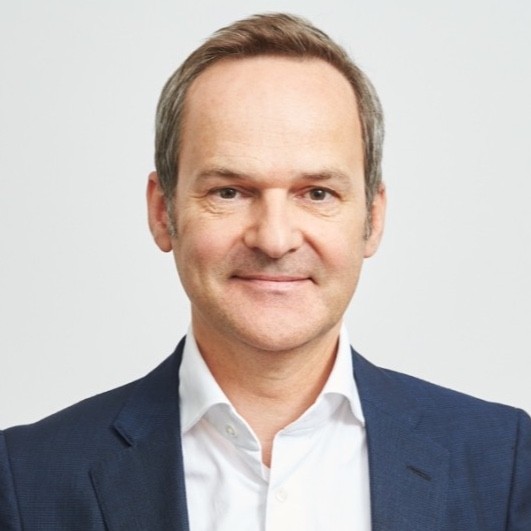
Franz Schellhorn
Director
Think-tank Agenda Austria
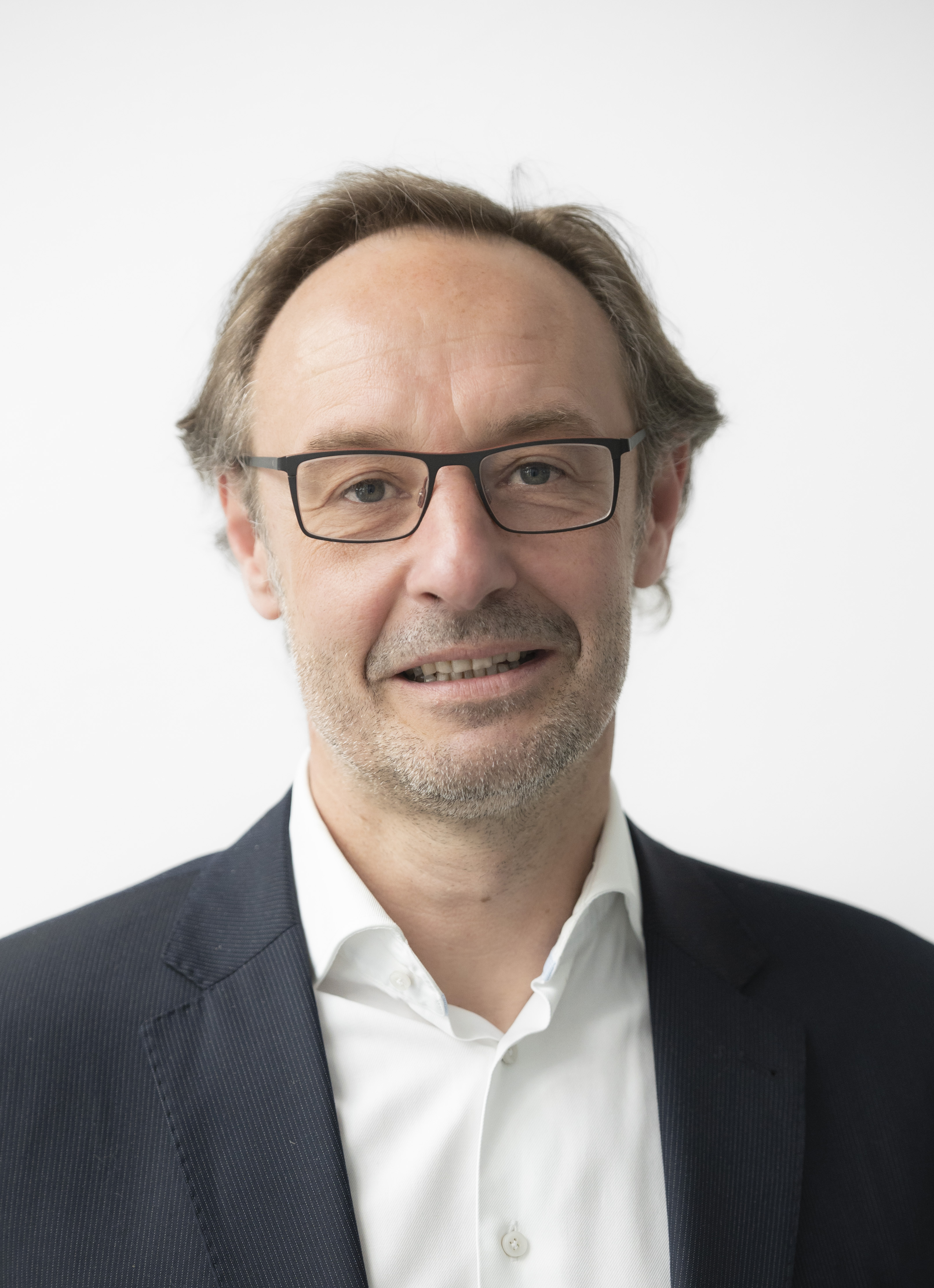
Joachim Schuller
Competence Center Manager
Health & Benefits
T +43 664 962 39 11
Georg Winter
CEO GrECo Group
T +43 664 962 39 06