
Paul Johannes Spittau, Head of Head of Group Carrier Relations & Insurance Mediation at GrECo Group delves into the complexities of Georgia’s current political, economic, and ecological landscape with Levan Jishkariani, General Manager of GrECo Georgia. Their discussion highlights the challenges and opportunities facing the country as it navigates its path between European integration and Soviet-era influences.
Future Directions and Strategic Insights
Spittau: In this era of global poly-crisis, what specific developments and challenges are your clients facing now and in the next five years?
Jishkariani: Our clients in Georgia are primarily concerned with inflation and global uncertainties, which are driving them to focus on reducing costs and finding more efficient ways to operate. Additionally, the increased reliance on digital platforms has heightened the risks related to cybersecurity, with data breaches, ransomware attacks, and privacy policy concerns becoming more prevalent. Compliance with data privacy laws like GDPR is also becoming a key priority for businesses. Another significant challenge is the “brain drain” phenomenon, where the most skilled and young generation is leaving the country without the zeal to return. According to data released by the National Statistics Office of Georgia (Geostat), migration from Georgia rose by 95.6% from the previous year. Notably, 66.7% of emigrants were Georgian citizens. This exodus is creating a talent gap and affecting the long-term sustainability of businesses.
Geopolitical Shifts and Their Impact
Spittau: How are the existing political, economic, and ecological conditions in your country influencing the corporate risk landscape, and what are the implications for the insurance industry as a risk carrier for businesses?
Jishkariani: The political instability and tensions with Russia continue to affect Georgia’s national security, impacting the corporate risk landscape significantly. The disputed 2024 parliamentary elections have caused a political crisis, with future directions uncertain between European integration and Soviet-era influences. This potential shift from a European to a post-Soviet geopolitical orientation threatens economic ties, education recognition, and supply chains, posing risks for international business and risk management. Furthermore, the economy faces challenges such as inflation, unemployment, and income inequality, which are compounded by the global economic situation. These factors all influence the insurance industry, as companies seek coverage to mitigate these risks. The ecological conditions, including the risk of natural disasters like earthquakes and floods, is also playing a crucial role in shaping the risk landscape.
Georgia’s Emerging Opportunities
Spittau: Which economic sectors or industries are expected to see increased investments in the near future, and how will this trend influence the risk industry?
Jishkariani: Despite the strained political circumstances, several infrastructural projects are being planned, such as road reconstruction, a new underground station development, and new hydro, solar and wind power projects. These projects will require guarantees or Construction All Risk (CAR) lines. Additionally, sectors like tourism, energy production, and technology are expected to see increased investments, which will drive demand for various insurance products to cover the associated risks. However, the “brain drain” issue poses a significant challenge, as the departure of skilled professionals could hinder the growth and development of these sectors.
Regulatory Hurdles and Business Risks
Spittau: What regulatory obstacles are your clients encountering?
Jishkariani: Companies in Georgia face several regulatory challenges, including compliance with evolving data privacy laws like GDPR and the implementation of stricter workplace safety regulations. The political climate has also led to regulatory changes that impact businesses, such as the law requiring certain NGOs and media outlets to register as “organisations serving the interests of a foreign power”. This led to significant political unrest and strained relations with the European Union and the suspension of Georgia’s accession negotiations.
Evolution of the Broker Market
Spittau: How is the insurance broker market evolving in your country?
Jishkariani: It’s evolving rapidly. According to the results for the first six months of 2025, GrECo Georgia’s revenue has grown by 53%. This demonstrates that increasingly companies are recognising that brokers play a crucial role in helping businesses and individuals navigate the complexities of the insurance landscape, ensuring regulatory compliance, offering risk management advice, and assisting with claims processing. As the market continues to grow, brokers are becoming more integral to the insurance industry, shaping its development and helping clients manage their risks effectively.
Standing Out from the Crowd
Spittau: How does GrECo’s approach in your country differ from local brokers, and what do you focus on when advising clients?
Jishkariani: GrECo stands out in the Georgian market due to our dual role as both direct and reinsurance brokers. This gives us significant leverage with clients and local insurers. We have introduced unique insurance lines like Film Insurance, Events Insurance, and Arts Insurance, which were previously unavailable in the market. Our focus is on providing tailored solutions and leveraging our expertise to solve complex reinsurance cases, which has helped us build strong relationships with clients and insurers alike.
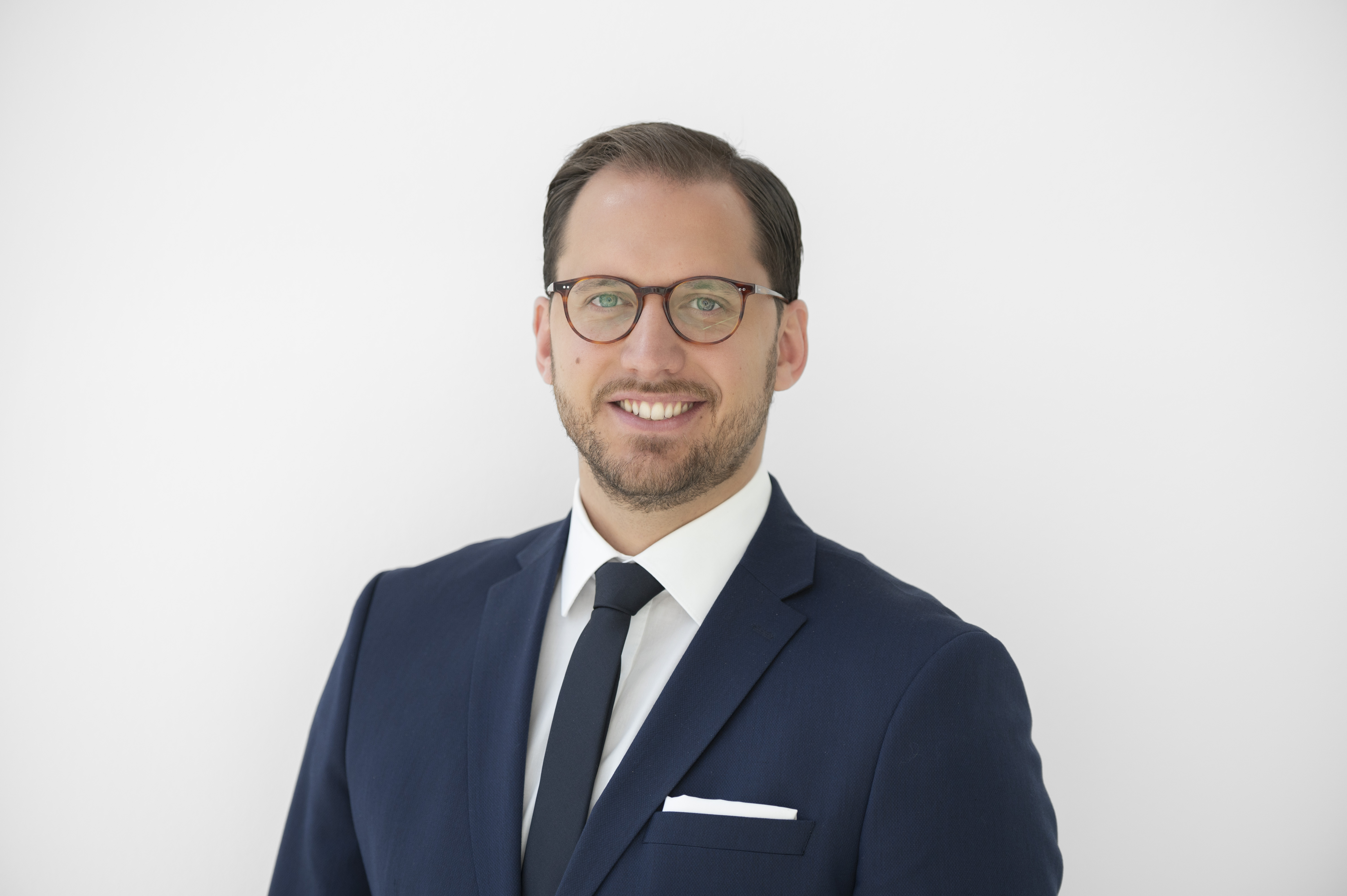
Paul Johannes Spittau
Head of Group Carrier Relations & Insurance Mediation
T +43 664 537 17 42
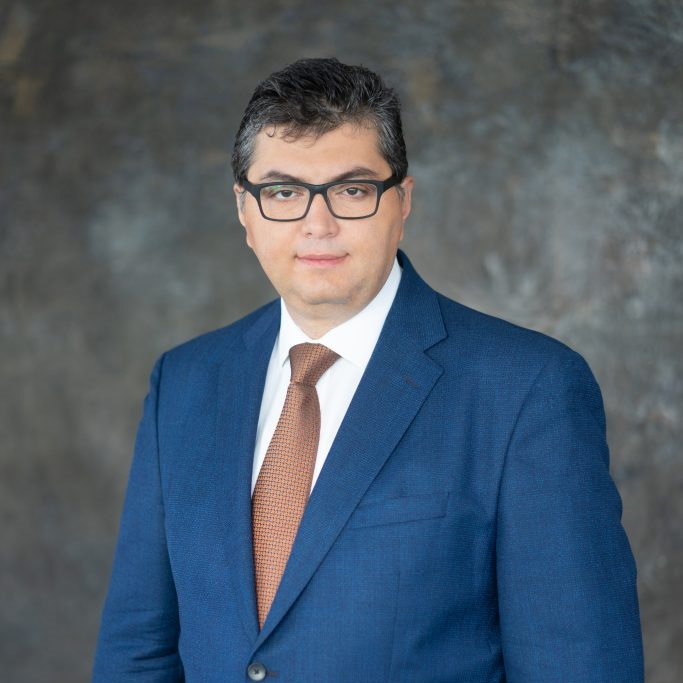
Levan Jishkariani
General Manager
GrECo Georgia
T +995577557474