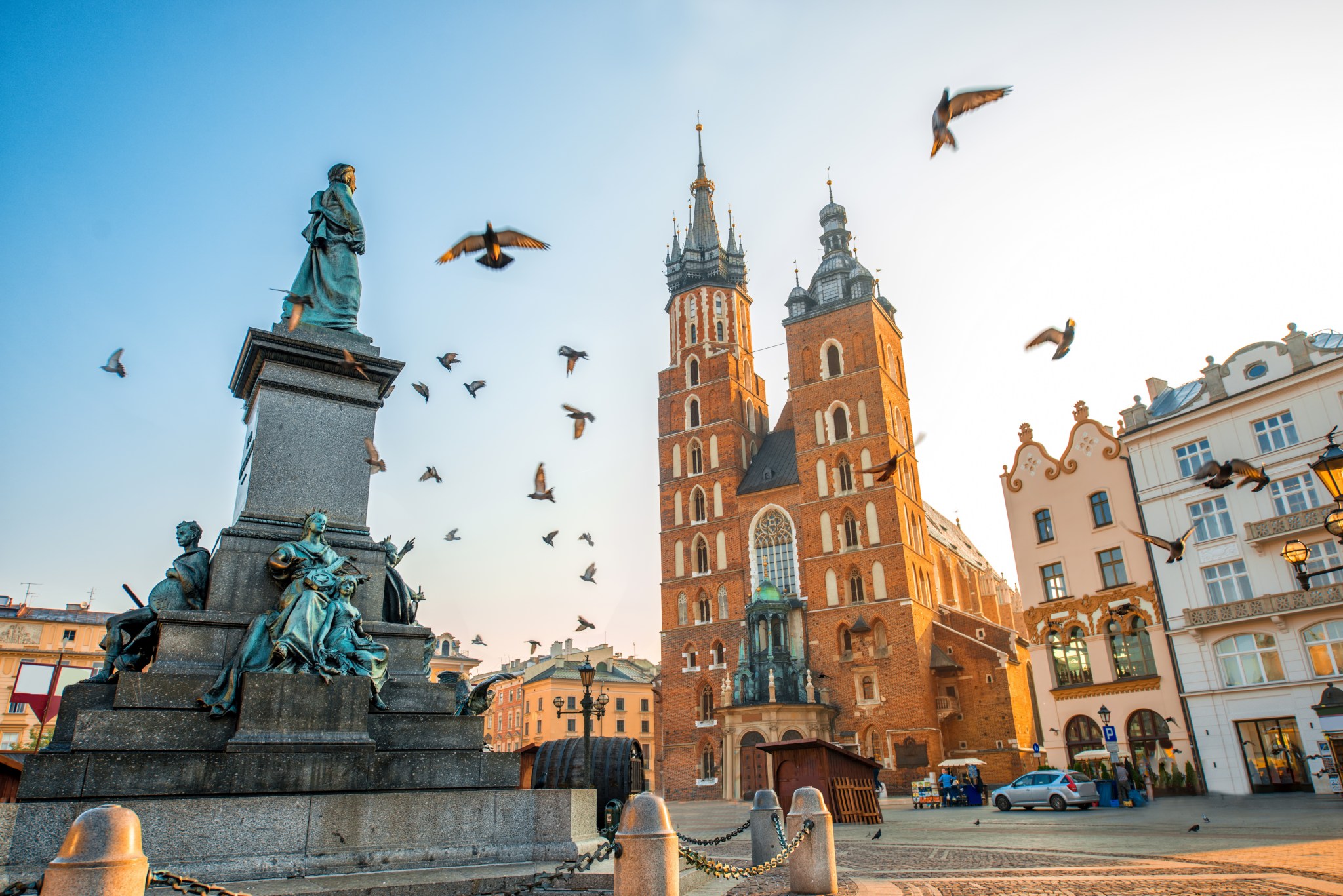
Paul Johannes Spittau, Head of Group Carrier Relations & Insurance Mediation at GrECo Group, discusses with Michał Olszewski, General Manager Risk & Insurance Technique and Head of Specialty at GrECo Poland, the evolving landscape of corporate risk and insurance in Poland. From the impact of global poly-crises to the unique approach of GrECo in the local market, Olszewski provides a comprehensive overview of the challenges and opportunities ahead.
Global Poly-Crisis: Current and Future Challenges
Spittau: The world is in flux, and we live in a time of global poly-crisis. What are the specific developments and challenges facing your clients today and in the next five years?
Olszewski: Our clients are navigating a complex landscape marked by multiple, overlapping challenges. Geopolitical risks bring about uncertainty and disrupt growth. Digital transformation is accelerating, yet many organisations are dealing with a widening skills gap and ambiguous regulatory frameworks. Staying up to date with emerging technologies is essential, but workforce readiness and compliance often lag behind, compounding the challenges. Climate change is also increasingly becoming a challenge. Businesses must prepare for stricter environmental regulations and heightened exposure to extreme weather events. The push toward net-zero emissions and renewable energy adoption is driving investment in sustainable practices and infrastructure. This transition demands strategic foresight and significant capital to build resilience.
Sector-Specific Investments and Their Impact on the Risk Industry
Spittau: Which industries are expected to attract more investment, and how will this impact the risk industry?
Olszewski: Key investment sectors include Information and communication technologies, bioeconomy, photonics, smart energy and the military industry. These industries are poised for significant growth due to their robust capacity for innovation and commitment to sustainable practices.
For the risk industry, this trend will necessitate a deeper understanding of emerging risks and the development of tailored insurance products to address the unique challenges faced by these sectors.
Political, Economic, and Ecological Conditions
Spittau: How are the current political, economic, and environmental conditions in your country shaping the corporate risk landscape, and what implications do these changes have for the insurance industry as a risk carrier for companies?
Olszewski: In Poland, the business risk environment is being reshaped by a combination of political, economic, and ESG-related factors. Politically, regional instability – particularly the war in Ukraine – has intensified security concerns and exposed supply chain vulnerabilities. Economically, Poland continues to grow fast, buoyed by increasing productivity, domestic demand and EU funding, yet faces fiscal headwinds due to increased spending on healthcare, social security, and above all – on defence.
Renewable electricity generation accounts for an ever-bigger share in the country’s energy mix. However, replacing fossil fuels remains a long-term challenge due to the operational demands of Poland’s transmission and distribution infrastructure as well as growing lead times for critical components of newbuild power plants.
These dynamics are fuelling demand for insurance products such as political violence coverage (including war on land), supply chain disruption protection, and more nuanced underwriting approaches that fully integrate ESG considerations. The insurance market is responding quickly to meet these requirements. This presents new opportunities – but also raises technical thresholds and pressure on the entire insurance procurement value chain. Ever larger insured losses in the renewable energy sector often lead to rate increases and stricter underwriting standards as insurance markets gain a broader understanding of the related risk landscape. This is why an experienced broker is crucial – someone with deep technical knowledge and the ability to engage in meaningful dialogue with the market.
Investment Trends and Their Impact on the Risk Industry
Spittau: Which economic sectors or industries are anticipated to receive increased investments in the coming years, and how will this trend affect the risk industry?
Olszewski: Several sectors are set to attract substantial investment. The IT and pharmaceutical industries are expected to grow significantly, driven by AI integration, demographic shifts, and the green transition. These sectors will require tailored insurance solutions such as cyber coverage, product liability, and R&D risk protection.
On the other hand, industries like chemicals and transport – facing geopolitical and supply chain pressures – will need robust coverage for environmental liability, supply chain disruption, and political risk insurances.
Additionally, Poland is emerging as a hub for large-scale energy, defence and infrastructure projects that are reshaping its economic landscape. Under initiatives like the National Recovery Plan, major investments are earmarked for modernising roads, railways, ports, and airports. Flagship projects include the Central Communication Port, the country’s first nuclear power plant, renewable energy developments, and extensive tunnel construction. Energy transition will also demand major capital investment across generation, transmission, and distribution.
Finally, Poland has committed to spending at least 5% of its GDP on defence. For the insurance industry, this presents both a challenge and a strategic opportunity. The scale and complexity of these investments require highly customised insurance solutions that meet the expectations of clients, investors, contractors, and financial institutions. Above all, it demands sufficient insurance and reinsurance capacity, as well as the resources to support it.
Regulatory Challenges
Spittau: What regulatory challenges are companies facing?
Olszewski: All participants in the market – clients, insurers and brokers – face mounting challenges at both national and EU levels. Ongoing changes to tax legislation are placing pressure on companies to continuously adapt their accounting and documentation practices. The rollout of the National e-Invoicing System (KSeF), scheduled for full implementation by February 2026, requires substantial upgrades to IT infrastructure and significant adjustments to internal processes.
Meanwhile, labour law reforms are introducing new regulations around remote work, flexibility, and employee oversight – demanding transparent procedures and resilient compliance frameworks.
We also anticipate the introduction of ESG-related regulations for the insurance sector, likely to be issued by the financial supervision authority, which will further shape compliance requirements and operational standards.
Evolving Insurance Broker Market
Spittau: How is the insurance broker market evolving in your country?
Olszewski: The insurance broker market in Poland is undergoing a dynamic transformation. Consolidation is a key trend, with private equity-backed firms acquiring multiple local brokers. This competitive landscape is driving a shift toward higher service quality, specialisation, and a stronger emphasis on advisory skills. The future of brokerage lies in meeting client requirements and expectations. Strong analytical expertise, effective risk communication, and proactive market shaping are key to developing bespoke risk transfer solutions for our clients who keep expanding and become more sophisticated. At the same time, brokers face mounting challenges – from the regulatory complexities previously mentioned to rising client expectations of real-time remote access and integration with their IT systems. Meeting these demands requires investment in technology, automation, and cybersecurity.
Learning from 2024 Events
Spittau: Can you tell us about a significant event in Poland in 2024 from which the country has learnt?
Olszewski: Poland faced several pivotal events in 2024 that offered important lessons. One of the most impactful was the flooding in Southwestern Poland, which caused widespread damage and underscored the urgent need for modernised flood infrastructure and more effective early warning systems.
Another major experience was the sharp increase in cyberattacks, positioning Poland among the most targeted countries globally. While North America remains the primary target, Europe accounts for 25% of global incidents – with Poland representing 12%. Forecasts for 2025 suggest that cyber threats will become increasingly connected with political, economic, and ideological agendas. Strategic sectors -those vital to public security and economic stability – are especially vulnerable. This highlighted the critical importance of cross-sector cyber resilience and drove a surge in demand for cyber insurance.
GrECo’s Unique Approach
Spittau: How does GrECo’s approach in your country differ from local brokers, and what do you focus on when advising clients?
Olszewski: GrECo Poland distinguishes itself through a consultative, specialty-driven, and risk advisory-focused approach. Unlike many local brokers who concentrate primarily on transactional insurance placement, we prioritise risk management and deep technical sector expertise across industries such as energy and power, and construction, as well as in key classes of insurance including property, liability, and financial lines. We remain committed to delivering tailored and forward-thinking risk management solutions that empower our clients to thrive in their evolving risk landscape. In our opinion the broker’s role is to anticipate and manage both expected and unforeseen risks – delivering precise, effective solutions that empower our clients to move forward with confidence. Clients find it essential to partner with an experienced broking and risk management advisory firm like GrECo that understands the technical aspects of a client’s business and knows how to communicate effectively with the insurance and reinsurance market.
We invest in industry specialisation and build top quality expert teams who are able to deliver under time pressure and in adverse market conditions. Our long-standing relationships with senior underwriting and management teams in the world’s major insurance and reinsurance market lets us secure optimal terms for our clients – whether from domestic or international markets. This is evidenced by our impressive track record and industry league tables which confirm GrECo’s position as the leading corporate broker in heavy industry and construction in Poland.
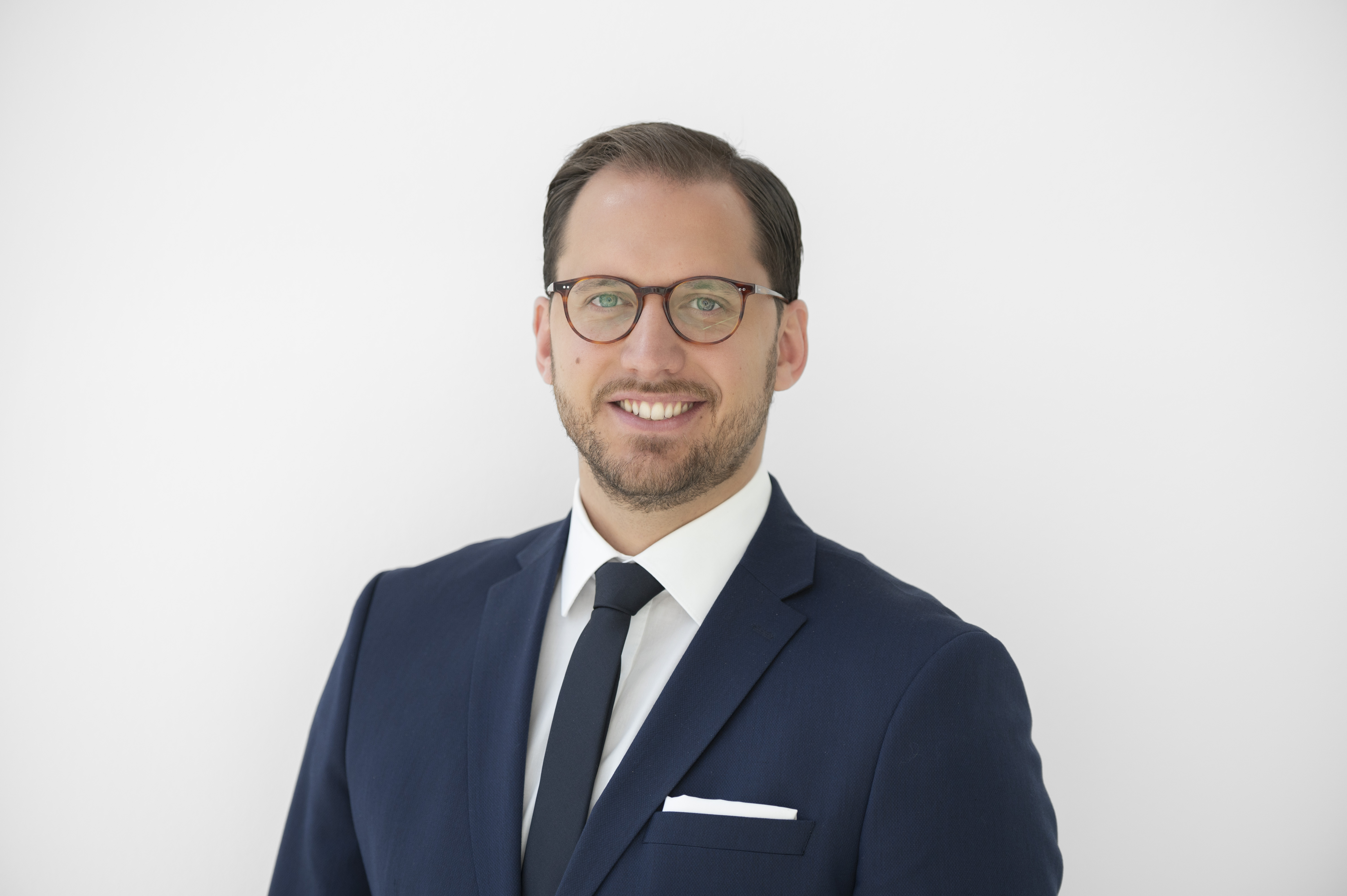
Paul Johannes Spittau
Head of Group Carrier Relations & Insurance Mediation
T +43 664 537 17 42

Michał Olszewski
General Manager Risk & Insurance Technique
GrECo Poland
T +48 797 198 850