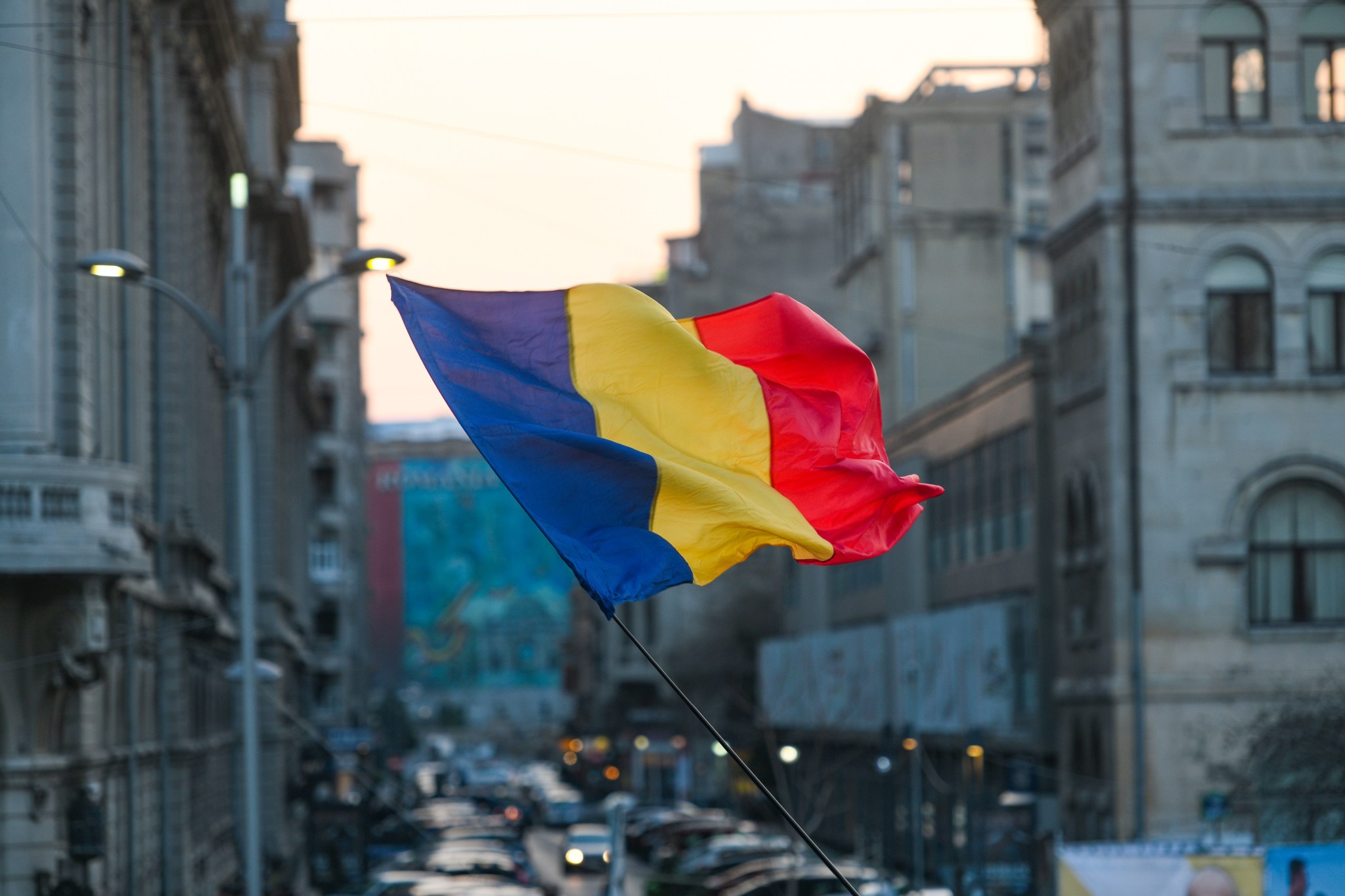
Romanian businesses have faced unprecedented challenges and risks over the past year. In this interview, Paul Johannes Spittau, Head of Group Carrier Relations & Insurance Mediation at GrECo International, discusses this volatile business environment with Eduard Simionescu – General Manager, GrECo Romania – and Ionel Cantaragiu – CTO, GrECo Romania – and its impact on the corporate risk landscape.
Spittau: What key challenges and opportunities do your clients face now and in the next five years?
Eduard Simionescu: Our clients are grappling with economic uncertainty, supply chain disruptions, and climate change. These factors are affecting business planning and operations. Economic instability and inflationary pressures are making it difficult for businesses to plan effectively. Supply chain disruptions, driven by geopolitical tensions and trade protectionism, are causing delays and increasing costs. Meanwhile, climate change is becoming a critical concern, with companies focusing on sustainability and climate resilience to mitigate environmental risks.
In the next five years, we anticipate continued volatility in these areas, necessitating robust risk management strategies.
Impact of Political, Economic, and Ecological Conditions on Corporate Risks
Spittau: How have political, economic, and ecological conditions impacted current corporate risks and the insurance industry?
Ionel Cantaragiu: The impact of each of these areas had been profound. In 2024, Romania faced political instability with a fragile coalition government struggling to maintain support. It came to a head with the annulment of the presidential elections, and political unrest prevailed. This uncertainty increased risks for businesses, particularly in terms of regulatory changes and political interference. It brought into sharp focus the country’s need for robust political risk management and the importance of maintaining stability to protect the economy and businesses.
As if that wasn’t enough to contend with, economic growth was sluggish at 0.9%, with a high budget deficit of 8.6% of GDP. Inflation remained high, impacting consumer purchasing power and business costs. Meanwhile ecological conditions continued to pose challenges related to climate change, including extreme weather events and environmental degradation, heightening risks for sectors like agriculture and infrastructure.
All in all, companies have had a rough ride and have needed to adopt comprehensive risk management strategies to mitigate potential losses and safeguard their operations against unforeseen disruptions.
Infrastructure and Innovation Investments
Spittau: Which economic sectors or industries are anticipated to receive increased investments, and how will this trend affect the risk industry?
Eduard Simionescu: In 2025, the government is focusing on improving public infrastructure and supporting technological innovation. Infrastructure investments will drive demand for construction and engineering insurance. And the technology sector will continue to boost the need for cyber insurance. Meanwhile, renewable energy projects will create opportunities for specialised insurance products.
The Regulatory Rollercoaster
Spittau: What regulatory challenges are companies facing?
Ionel Cantaragiu: Legislation in Romania is frequently changing making it difficult for companies to keep up with new regulations and ensure compliance. On top of this, bureaucracy is adding to the complexity of navigating regulatory environments and obtaining necessary licenses. Plus, political instability remains a persistent issue, affecting business operations and investor confidence.
Consolidation of the Broker Market and GrECo’s Unique Approach
Spittau: How is the insurance broker market evolving in Romania?
Eduard Simionescu: Romania’s insurance broker market is evolving through digital transformation and consolidation. Digital transformation is driving brokers to adopt new technologies to improve efficiency and customer service. Consolidation is leading to larger brokers acquiring smaller ones, creating a more competitive market.
Spittau: How does GrECo’s approach in Romania differ from local brokers?
Ionel Cantaragiu: GrECo’s approach is unique in its focus on specialised risk management, industry expertise, and international resources. We provide tailored risk management solutions, cross-border insurance, and strategic advisory services. Furthermore, we include comprehensive risk assessments and customised insurance packages that address specific client needs.
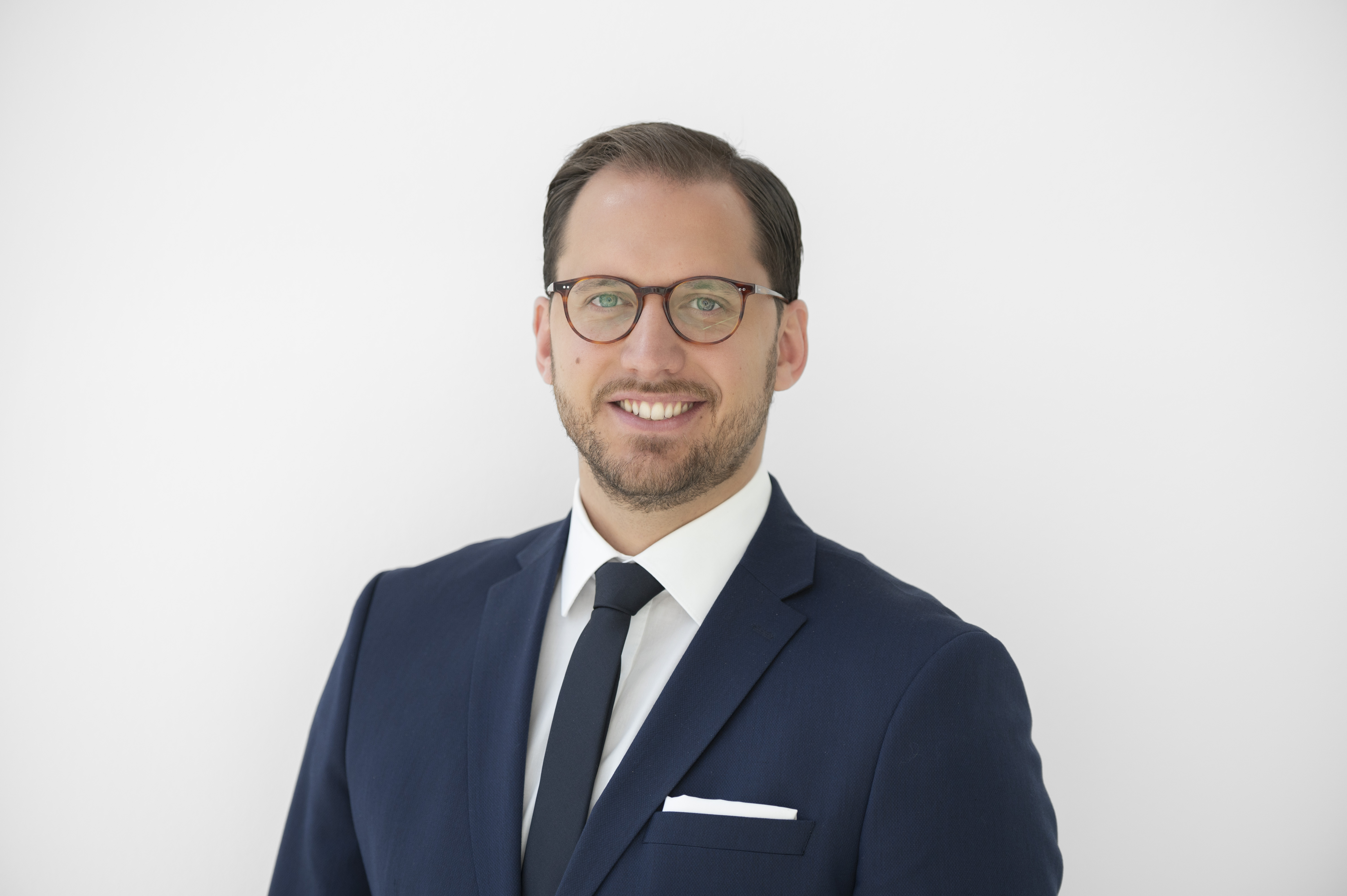
Paul Johannes Spittau
Head of Group Carrier Relations & Insurance Mediation
T +43 664 537 17 42

Eduard Simionescu
General Manager
GrECo Romania
T +40 (756) 104 104

Ionel Cantaragiu
General Technical Manger
GrECo Romania
T +40727714833