
Agile risk management is a crucial factor in navigating this evolving landscape and the bedrock of GrECo’s approach to risk.
What changes have we seen in the risk landscape in the last year and how can we manage them?
Winter: Sustainability is the word du jour and companies worldwide are swiftly adopting sustainable practices to meet ESG requirements. This is bringing about dramatic corporate change and a rapidly shifting risk landscape making it a fundamental necessity for organisations to implement efficient risk management processes.
Typically, the risk analysis associated with identifying potential risks tends to concentrate on tangible and current risks. Abstract risks, stemming from systemic changes or strategic decisions that are currently difficult to assess and evaluate, are often overlooked, and underestimated. Nonetheless, to navigate the escalating pace of change, it is imperative to adapt the approach to addressing these inherent risks. Agile risk management is therefore a crucial factor in navigating this evolving landscape and the bedrock of GrECo’s approach to risk.
Is there a way to identify these transformational risks?
Winter: Based on our vast experience and extensive expertise in corporate risks, we consider these complex changes to be systemic risks. We categorise them as ecological, geopolitical, technological, and social transformation risks. Within this framework we also differentiate between primary and secondary transformation risks – both of which tend to increase during phases of change.
Primary transformation risks derive directly from the risks associated with systemic change. For example, the impact of the war in Ukraine on the supply of energy and the development of prices in Europe are a result of geopolitical transformation. Whilst secondary transformation risks are typically speculative. They include both risks and opportunities and derive from the metamorphosis which companies have undergone because of systemic change. The aim is to emerge from the crisis stronger than before and/or take advantage of the new opportunities presented by this change. The resultant new risks – despite being abstract – are of great significance and cannot be ignored. They must be viewed from a holistic perspective.
What impact does this systemic have on risk management methods?
Winter: It is these abstract second risks which are having the biggest impact on the insurance market. Abstract risks are hard to predict and are therefore often ignored until organisations start to notice the early warning signs. As such, they are not easy to deal with within the bounds of conventional risk management strategies and it is difficult to transfer these risks to the insurance market because a risk must be measurable for the insurance market to secure adequate capacities. When it isn’t, insurers rely on data modelling of historical risks and claims as well as on actuarial assumptions. Abstract risks come with neither of these, resulting in less and less insurance for operational risks, which were previously insurable.
This ever-widening gap between the lack of insurability and company risks is signalling the need for the implementation of new risk management methods.
How can organisations adapt their risk strategies to boost their resilience?
Winter: Companies regularly organise their risk management in closed administrative departments which function like silos put in place just to meet legal requirements. Using this model delivers no benefits to the organisation because the risks are only dealt with on an individual level. This is where our approach of agile risk management comes to the fore.
The agile management of risks and opportunities is based on a corporate culture that is open-minded towards such risks and opportunities and is organised around transparency, dialogue, trust, and constant feedback cycles. It comprises interdisciplinary teams whose members act with the utmost flexibility as and when needed, and who are an integral part of strategic and operative decision-making processes. In this way, transformation risks can be anticipated and acted upon at an early stage, boosting the resilience of companies and enabling them to make the most of future opportunities.
Anticipating transformation risks at an early stage means viewing the world from a future perspective and interpreting the inherent risk situation in the best possible way. Paying attention to soft signals, like new and shifting trends, as well as an open-minded attitude towards strategic considerations, helps the establishment of effective early-warning indicators to manage risks.
What does GrECo do to ensure agile risk management plays a key role for your clients?
Winter: As a risk specialist, it is our vision to detect the impact of transformational changes at an early stage and introduce risk management solutions that strengthen our clients’ resilience. We strive to manage our clients’ risks in such a way that we boost their resilience so they can rest assured and focus on their core business.
As a loyal and trustworthy partner, we work for and with our clients in flexible, interdisciplinary teams where we prove our transparent, dialogue-driven culture every day. Furthermore, we believe specialisation is key: We speak the language of our clients in order to investigate their risks and challenges in more detail. This is the only way to provide them with progressive and tailored solutions for their sustainable future. We anticipate systemic change and proactively direct our organisation towards the future needs of our clients. Agile risk management plays a key role for us.
In future, our progressive service approach will focus even more strongly on anticipating any change and resultant risks at an early stage.
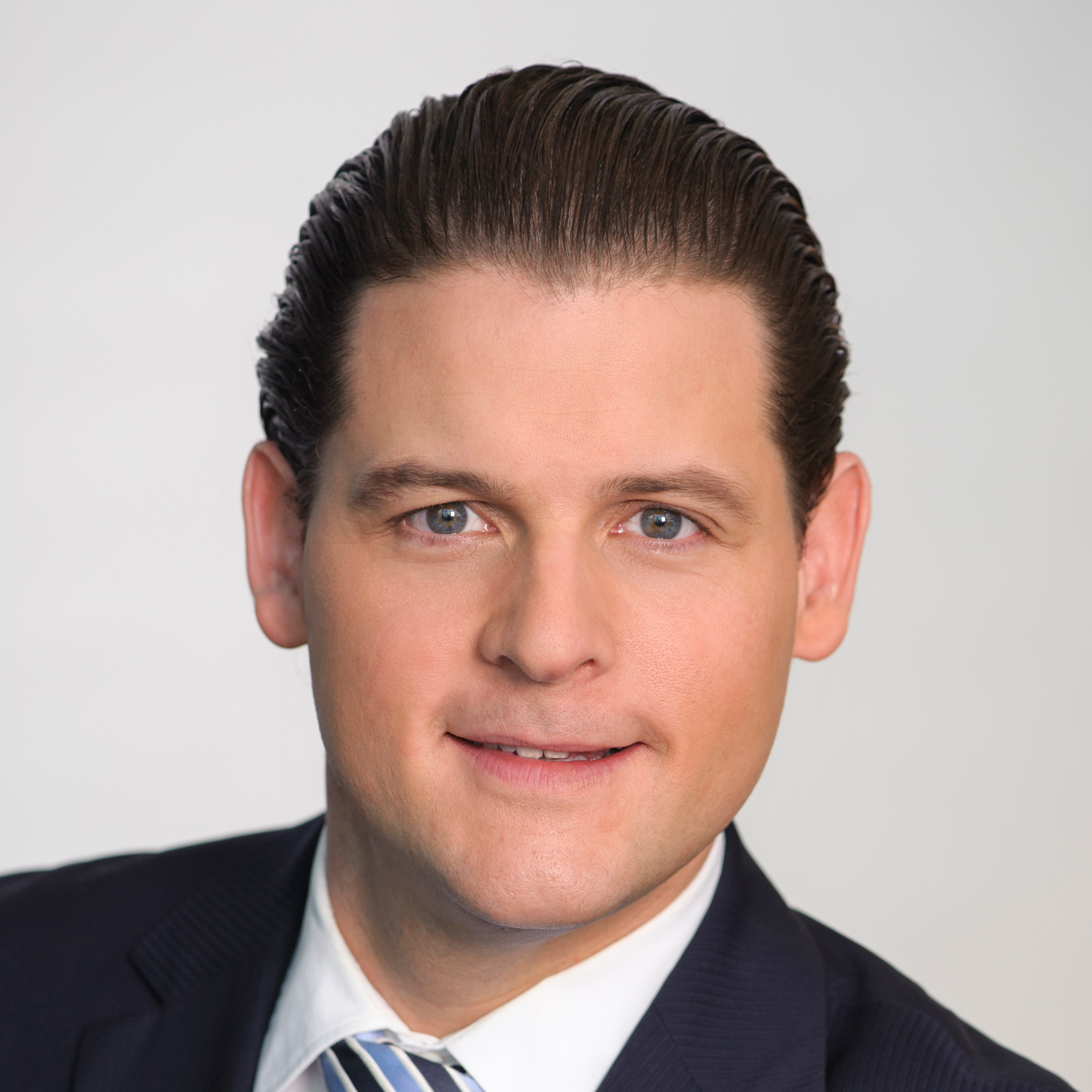
Georg Winter
CEO GrECo Group
T +43 664 962 39 06
Insured by Algorithms
The insurance industry is undergoing a profound transformation, driven by the rapid adoption of AI and predictive analytics.
Beyond Moving Cargo: Why Employee Well-Being Is the Real Asset in Logistics
In today’s employee-driven market, especially for Gen Z talent, benefits aren’t just perks – they’re strategic tools for attraction and retention
The New Edition of FORWARD Magazine Is Now Available
GrECo is proud to present the latest edition of our client publication, FORWARD Magazine—now live and ready to explore.