Microcultures are unique and encompass nuanced differences in how tasks are accomplished across various teams, functions, and locations. In so doing they allow an organisation to differentiate itself from its competitors thus having a significant influence on the attraction and retention of talent.
As boundaryless HR grows apace and human sustainability gains a firm seat on the corporate agenda, monolithic organisational cultures are becoming redundant. The one-size-fits-all model of corporate culture no longer works because our workforce is becoming increasingly diverse not just through geographical locations, but also through new ways of working (e.g., hybrid and remote), demographics, and motivations. As GrECo continues on its road of expansion the success of our corporate culture needs to evolve to reflect these massive shifts in the working environment. To stand still and try to enforce a rigid, uniform corporate culture across all teams, in all locations, and across all working styles is untenable and ultimately puts the company at risk.
The risks of retaining monocultures
In today’s world words such as ‘innovative’, ‘integrity-driven’, ‘reliable’, and ‘collaborative’, or variations thereof, are used by most organisations to describe their corporate culture. Admirable values they may be, but each company is very different to one another through the nature of their work, their structure, their location, and their employees as individuals. These types of words chosen to convey their corporate culture do not describe the differences in their nuances, their diversity, or their innovation to future employees, clients, and partners.
In fact, to rigidly stick to these homogenously worded corporate values creates risks for an organisation in terms of the war for talent. We know company culture is an important deciding factor for attracting new talent, and under the monoculture framework potential employees are finding it increasingly difficult to differentiate between organisations with similarly worded cultural values. What makes this organisation different? How does this organisation realistically uphold these uniform cultural values across diverse teams, geographical locations, or working models? For someone outside the company, there is likely no differentiation. And it doesn’t stop there. There is a plethora of other difficulties for an HR team to enforce uniform values across a diverse organisation, and the risk of disappointing a hard-won new talent or retaining existing skilled employees because they are dissatisfied with the culture becomes increasingly higher. This is where microcultures come to the fore.
Microcultures breathe life into corporate culture
Microcultures are unique and encompass nuanced differences in how tasks are accomplished across various teams, functions, and locations. In so doing they allow an organisation to differentiate itself from its competitors thus having a significant influence on the attraction and retention of talent. What’s more, microcultures can bolster DEI (Diversity, Equity, and Inclusion) initiatives by providing individuals with a sense of recognition and appreciation for their identity within the workplace. They provide the perfect vehicle to approach and address the inimitable requirements of employees more closely. HR departments who can understand and nurture differing microcultures at work have an unparalleled opportunity to foster adaptability, agility, and diversity within the company and boost their organisation’s success.
It must be mentioned that microcultures do not detract away from the overarching corporate culture, or mean organisations should be ditching firmwide values. On the contrary, they breathe life into corporate culture, especially in large organisations like GrECo with offices in 18 different countries. They provide opportunities to connect and enable teams to work in ways which best suit them whilst developing shared behaviours, values, and experiences, despite their geographies, demographics, or inspirations. They deepen bonds which in turn have a prolific impact on work ethic, motivation, and goal achievement, all whilst still aligning with an organisation’s wider cultural values.
A challenging trend to tackle
As with all paradigm-shifts there are risks. Possibly the most prevalent is the risk of an “us vs. them” mentality developing if microcultures become misaligned with the organisation’s core values. Other considerations include perceptions of unfairness as one team or office works in a different way to another, as well as change fatigue in employees working across several different teams with different microcultures.
So how do we combat these risks? At GrECo, we prioritise deliberate communication and coordination, ensuring opportunities to collaborate across departments, locations, and regions within our portfolio.
Managing microcultures successfully
To ensure the efficiency of our microcultures, we understand that the employee experience needs to prioritise human well-being at its foundation. In other words, we don’t just rely on our senior management board to instil our workplace culture, we utilise our managers across all teams to help mould the culture of their teams whilst adhering to our corporate values.
Evaluation is also a key to success. We regularly appraise how our teams are working together in the day-to-day; how their microcultures are developing and coexisting with one another; and whether we are ensuring equity across our workforce, not just equality. Our Group HR department aims to promote good microcultures that foster collaboration, innovation, purpose, and productivity among team members, eventually contributing to the overall success of the Group. We support this with various initiatives such as team building, feedback sessions, and learning and development programmes. Additionally, we try to create a sense of belonging and inclusion by promoting diversity.
GrECo has a good way of connecting people internally, so as the teams collaborate with other teams, across the borders and /or regions, our culture is strengthened. We believe that true triumph lies in the way these microcultures converge and unite around our overarching company values; they are the ingredient to our achievements. We are committed to nurturing them to grow our employees’ sense of belonging to a united, caring organisation that is dedicated to safeguarding their personal development and corporate success.
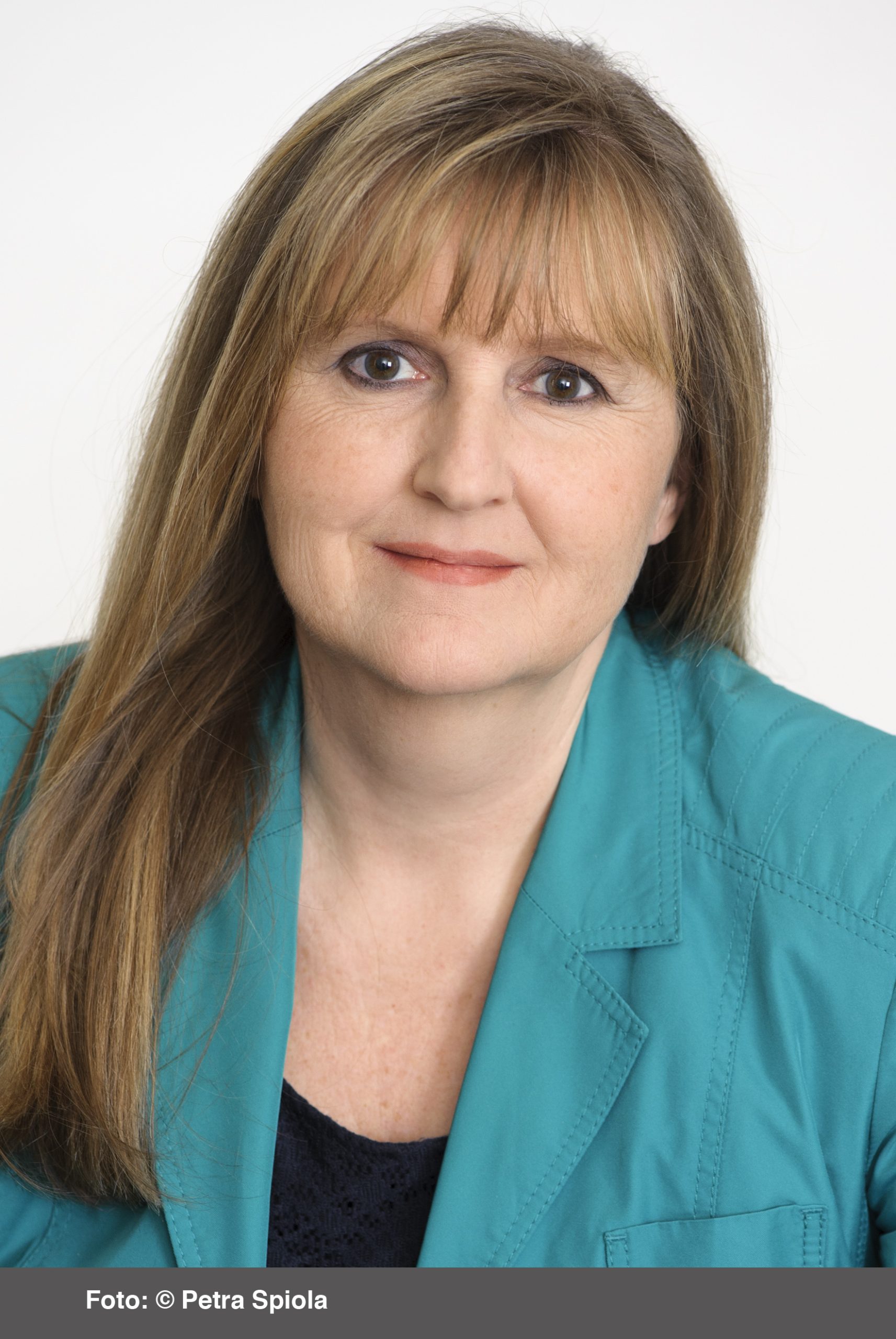
Gabriele Andratschke
Head of Group Human Resources
T +43 664 962 39 18
How Stability and Sectoral Growth Are Reshaping Argentina’s Corporate Risk
Argentina is experiencing economic reorientation, greater regulatory stability, and increased investment across sectors.
Jetzt bestellen: Health & Benefits Studie 2026
Jetzt bestellen: GrECo Unternehmensstudie zu Health & Benefits
Insured by Algorithms
The insurance industry is undergoing a profound transformation, driven by the rapid adoption of AI and predictive analytics.