
Paul Johannes Spittau, Head of Group Carrier Relations and Mediation at GrECo International, speaks with Alexander Laukart, General Manager at GrECo Ukraine, about how war, environmental disruption and restricted insurance capacity are reshaping Ukraine’s risk landscape, and what companies should prepare for in the next renewal cycle.
A landscape changed by war
Spittau: When you look ahead to 2026–2030, which environmental forces will matter most for Ukraine?
Laukart: Our most critical environmental forces all hinge around recovering from war-driven landscape destruction: managing mass industrial and toxic pollution, and rebuilding a decentralised, green energy grid. Plus we, like everyone else, are having to adapt to accelerated climate change.
Spittau: What are the main country-specific drivers behind this, and where do you see the greatest vulnerability?
Laukart: Where to start! It is not easy to identify just three top drivers. The scale is tragic and terrifying, and Ukraine will be dealing with it for many decades and generations. The first and most obvious driver is war-driven ecological and land degradation: more than 130,000 square kilometres, over 21% of Ukraine’s territory, are affected by unexploded ordnance and landmines, heavily restricting safe land use, conservation and farming.
There is also forest and habitat destruction, toxic soil leaching from munitions and industrial dust, and climate pressures that are intensifying droughts, heatwaves, wildfires and water shortages. On top of that, targeted strikes on fuel depots, chemical plants and refineries are creating acute air and water pollution shocks. The vulnerability is not in one place; it is in the way these risks compound across land, water, infrastructure and people’s daily lives.
Reconstruction capital, EU alignment and insurance capacity
Spittau: Where is capital going in Ukraine, and why does this matter for insurers?
Laukart: Capital investment is flowing heavily into defence tech and dual-use manufacturing, logistics and infrastructure, renewables, decentralised power, and real estate and construction, supported in part by mechanisms such as the Ukraine Investment Framework under the EU’s EUR 50 billion Ukraine Facility. This matters because it is sustaining the wartime economy, repairing critical infrastructure and anchoring Ukraine’s long-term integration into the EU.
For insurers, it is driving growing demand for specialised war-risk, credit and political-risk coverage around asset protection, business continuity, and green-digital rebuilding standards. But the main challenges are still the same: lack of local capacity and expertise, and nearly no international market support. War risks coverage and selectivity is very strict.
Spittau: Which regulatory or legislative shifts are having the biggest impact?
Laukart: Ukraine’s post-war alignment with the EU is driving major regulatory shifts. The highest impact areas include industrial pollution control legislation and integrated permitting, where large industrial operators must transition to EU-style integrated permits, enforcing stricter emission controls and accountability. Another important area is the rollout of Eurocodes and EU Construction Products Regulations, where local industries must integrate with Regulation (EU) 2024/3110, introducing digital product passports, life-cycle tracking and circular economy compliance into local supply chains. Ukraine is also phasing in CSRD and ESRS non-financial corporate reporting standards, following a 2024 framework adoption by synchronising its disclosure rules with European Sustainability Reporting Standards through rolling legislative updates.
Spittau: What is raising compliance costs, and where is resilience funding available?
Laukart: Regulatory alignment with the EU is clearly raising compliance costs for Ukrainian businesses. Among many factors, we should mention legal and tax harmonisation, sustainability reporting, and the administrative upgrades local entities now need to make. Energy continuity is another major cost driver, as blackouts and attacks on the power grid force companies to invest in generators, batteries and on-site cogeneration. Public procurement controls add another layer, especially for contractors bidding on public projects.
But I must also say that resilience funding is available. The Ukraine Investment Framework provides blended finance, grants and guarantees, while state budgets, the EBRD and partner banks are helping with heating, asset protection, infrastructure repairs and grid stabilisation.
Renewals in a hardening market
Spittau: Looking ahead to the next 12–18 months, what do you expect in environmental-related insurance renewals?
Laukart: I am quite sure that over the next 12 months, environmental-related insurance renewals in Ukraine will see hardening conditions. We may expect upward rate adjustments of 15% to 30% or more, driven by catastrophic war-related environmental damages and high global reinsurance costs. Risk-differentiated premiums penalising facilities near active combat zones or critical infrastructure will be widely applied. Any environmental insurance coverage will not be easily available due to a severe shortage of domestic commercial capacity for specialised environmental liability. High self-insured retentions will be widely applied. I do not expect that the position of the international insurance and reinsurance markets regarding environmental insurance will change, so no support will be provided.
Spittau: What practical steps should companies take now to secure stronger renewal outcomes?
Laukart: Under wartime conditions, Ukrainian companies must document active risk mitigation and keep detailed information on investments in backup power, physical asset protection and site security. They should keep and provide clear data to insurers proving how past loss-prevention suggestions from underwriters were met. They should also adjust asset values to correctly reflect current replacement costs, avoiding underinsurance penalties.
And it is also very important to involve the insurance broker and start the insurance programme renewal process well ahead of expiration. My recommendation is 90 days prior to expiration, so there is enough time to handle complex insurance placements with better results for clients.

Paul Johannes Spittau
Head of Group Carrier Relations & Insurance Mediation
T +43 664 537 17 42
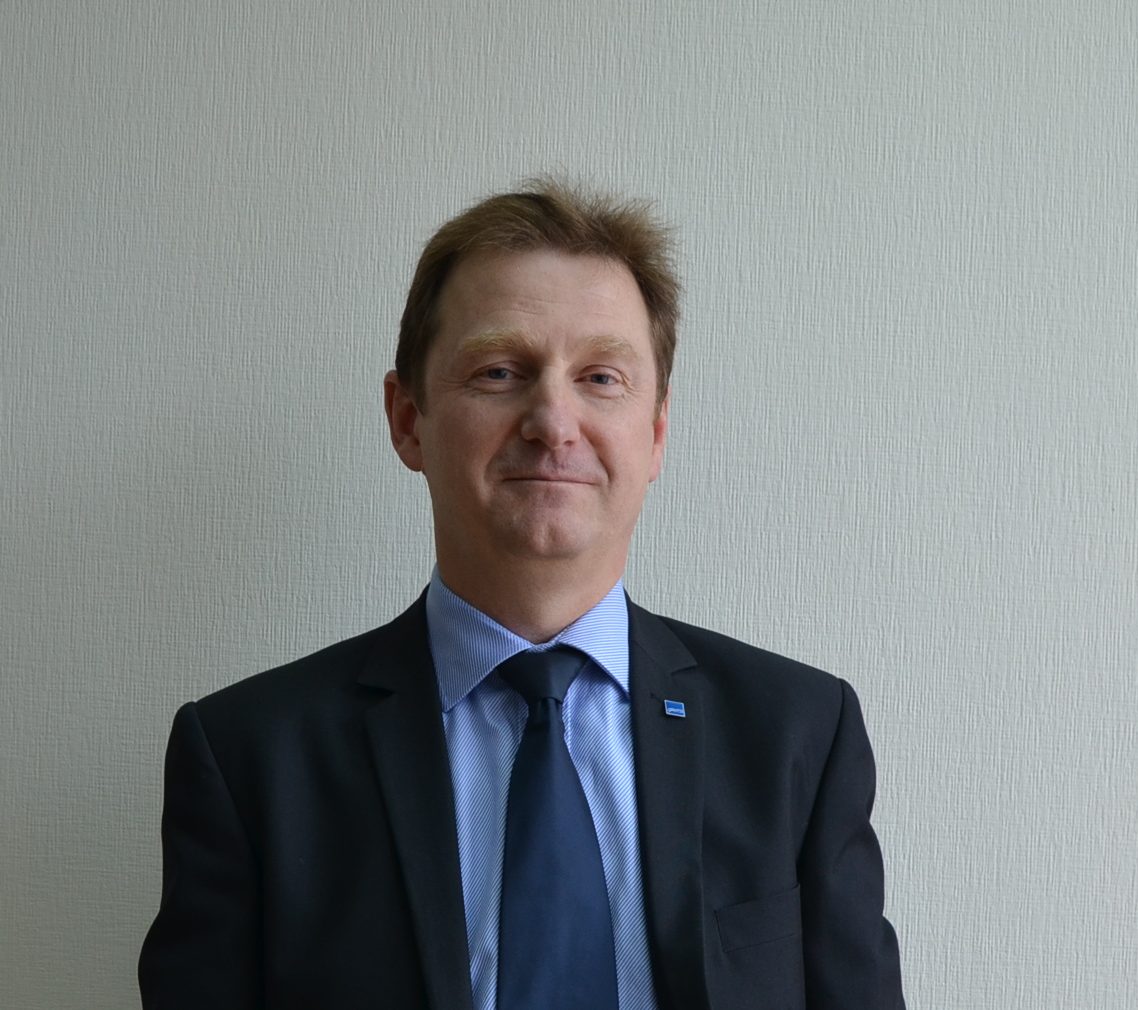
Alexander Laukart
General Manager
GrECo Ukraine
T+38 050 313 00 77