The recruitment landscape in real estate is becoming increasingly competitive, and companies need to differentiate themselves to attract top talent.
In the competitive realm of talent acquisition, companies are constantly seeking innovative methods to attract and retain top candidates. ADDRESS Real Estate in Sofia, Bulgaria, has pioneered a unique approach by incorporating a boardgame into their recruitment process. Petya Ivanova, Account Manager at GrECo Bulgaria EOOD, sits down with Stefka Tancheva, the Head of Talent and People Development at ADDRESS Real Estate, to explore this creative strategy.
Ivanova: Can you tell us more about your Enter the Broker Experience boardgame and how it was developed?
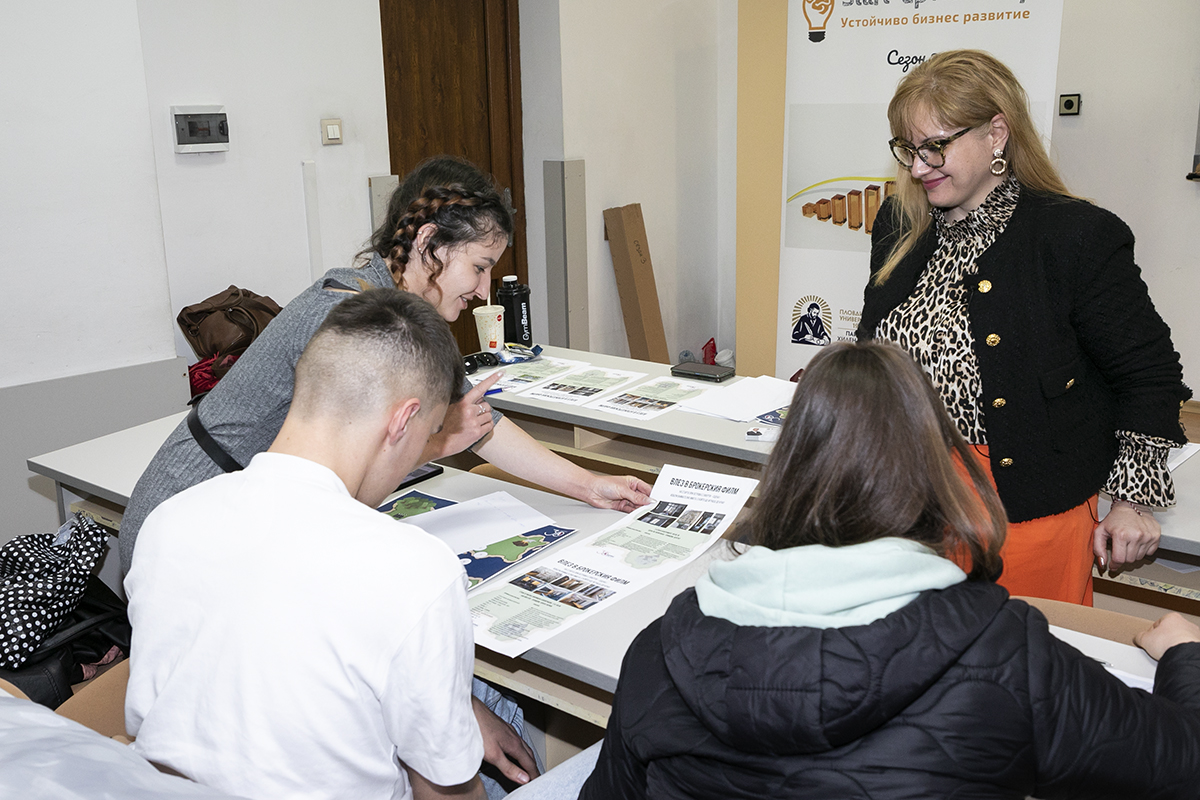
Tancheva: It is designed to simulate the day-to-day responsibilities of a real estate consultant. Candidates are engaged in activities like selecting property offers, creating social media posts, presenting properties, and handling client objections. The game immerses participants in a dynamic, real-world scenario where they compete to impress real professionals from our team, earn “money” and win. It was developed as an innovative way to assess candidates’ skills in a fun and engaging environment, providing both the company and the candidates with valuable insights into whether they’re a good fit for the role.
Ivanova: What inspired ADDRESS Real Estate to use a corporate boardgame as part of the recruitment process?
Tancheva: The inspiration came from the desire to create a more interactive and enjoyable recruitment process. Traditional interviews can be stressful and don’t always provide a full picture of a candidate’s abilities. The boardgame offers a hands-on approach where candidates can demonstrate their skills in a realistic setting, while also getting a taste of what the job entails. It makes the process more engaging and helps reduce the tension typically associated with interviews.
Ivanova: How has the Enter the Broker Experience impacted your recruitment of candidates from different generations, especially Generation Z candidates?
Tancheva: The game has been particularly effective with Generation Z candidates, who value immersive and experiential learning opportunities. They are accustomed to interactive experiences, so this boardgame appeals to their preferences for gamified processes. It allows them to showcase their creativity and problem-solving skills in a way that feels more natural and less formal than traditional interviews. As a result, it has attracted a larger pool of younger candidates who are excited about the innovative recruitment process

Ivanova: What feedback have you received from candidates who have participated in the process?
Tancheva: Feedback from candidates has been overwhelmingly positive. Many have commented on how refreshing it is to participate in an interview that feels more like a challenge and a learning experience than a formal Q&A session. They appreciate the opportunity to showcase their abilities in a realistic setting and to interact with the team in a more relaxed environment. Some have even said that the game helped them decide whether they truly wanted to pursue a career in real estate.
Ivanova: How does the boardgame help candidates understand the consulting profession before committing to it?
Tancheva: The game provides a simulation of the real estate consultant’s daily tasks, allowing candidates to experience the role firsthand. By participating in activities like property selection, social media posts writing, client interaction during an open house event, and handling client objections, candidates get a better understanding of the challenges and rewards of the profession. This helps them make an informed decision about whether the role aligns with their skills, interests, and career goals before they commit.
Ivanova: Can you share any success stories or notable outcomes from using this unconventional selection method?
Tancheva: One of our success stories involves a candidate who was unsure about pursuing a career in real estate but became highly motivated after participating in the game. He ended up joining our team and quickly became one of our top-performing new consultants. The hands-on experience gave him the confidence to take on the role and excel. There are several similar stories where candidates who performed well in the game have transitioned smoothly into successful careers with us.
Ivanova: How has this approach impacted the quality and diversity of candidates applying for positions with you?
Tancheva: The gamified recruitment process has attracted a broader range of candidates, including those from different educational and professional backgrounds. It has helped us identify high-potential talent that might have been overlooked in a traditional interview process. Additionally, the interactive nature of the game appeals to a more diverse group of candidates, making our hiring pool richer in terms of experience and perspective.
Ivanova: How has this innovative approach affected the overall onboarding experience for new hires?
Tancheva: The game-based recruitment method has led to a smoother onboarding experience. Since candidates already have a clear understanding of the role and its challenges from the game, they start their new positions with more confidence and a better idea of what to expect. This has resulted in a shorter learning curve and higher levels of engagement and motivation among new hires.
Ivanova: What challenges did you face in implementing this recruitment method, and how did you overcome them?
Tancheva: One of the main challenges was creating a realistic yet engaging game scenario that accurately reflects the real estate consultant’s role. We overcame this by involving experienced consultants in the development of the game to ensure that the tasks were both practical and enjoyable. Another challenge was ensuring that the game could scale for different locations and candidate groups, which we addressed by continuously refining its mechanics and logistics.
Ivanova: How do you ensure that the boardgame remains relevant and engaging for candidates over time?
Tancheva: We regularly update the game to reflect market trends and changes in the real estate industry. By incorporating feedback from both candidates and our team, we ensure that the game stays fresh and relevant. Additionally, we keep it engaging by introducing new scenarios and challenges, ensuring that every session feels unique and current.
Ivanova: Are there any plans to expand or adapt this recruitment method for other roles within the organisation?
Tancheva: Yes, we are exploring ways to adapt this method for other roles, particularly those that also involve customer interaction and sales. The success we’ve seen with real estate consultants has encouraged us to think about how we can use gamification in recruitment for other positions within the company, such as teams managers, regional managers.
Ivanova: How do you see the recruitment landscape evolving in the real estate industry, and what role do you think innovative methods like yours will play?
Tancheva: The recruitment landscape in real estate is becoming increasingly competitive, and companies need to differentiate themselves to attract top talent. Innovative methods like our boardgame help us stand out and offer candidates a memorable experience. As technology and gamification become more prevalent, we believe that interactive and immersive recruitment techniques will play a significant role in the future of hiring, particularly for roles that require strong interpersonal and problem-solving skills.
HORIZON Risk Thought >> Fast Forward
The complexity of today´s risk environment is changing at an accelerating pace, making risk management even more challenging. We have created HORIZON, firstly as a print publication and now as a page for sharing the latest insights about ongoing transformations. Our risk specialists will continue to provide their expertise and knowledge to shine a light on the challenges of the future.
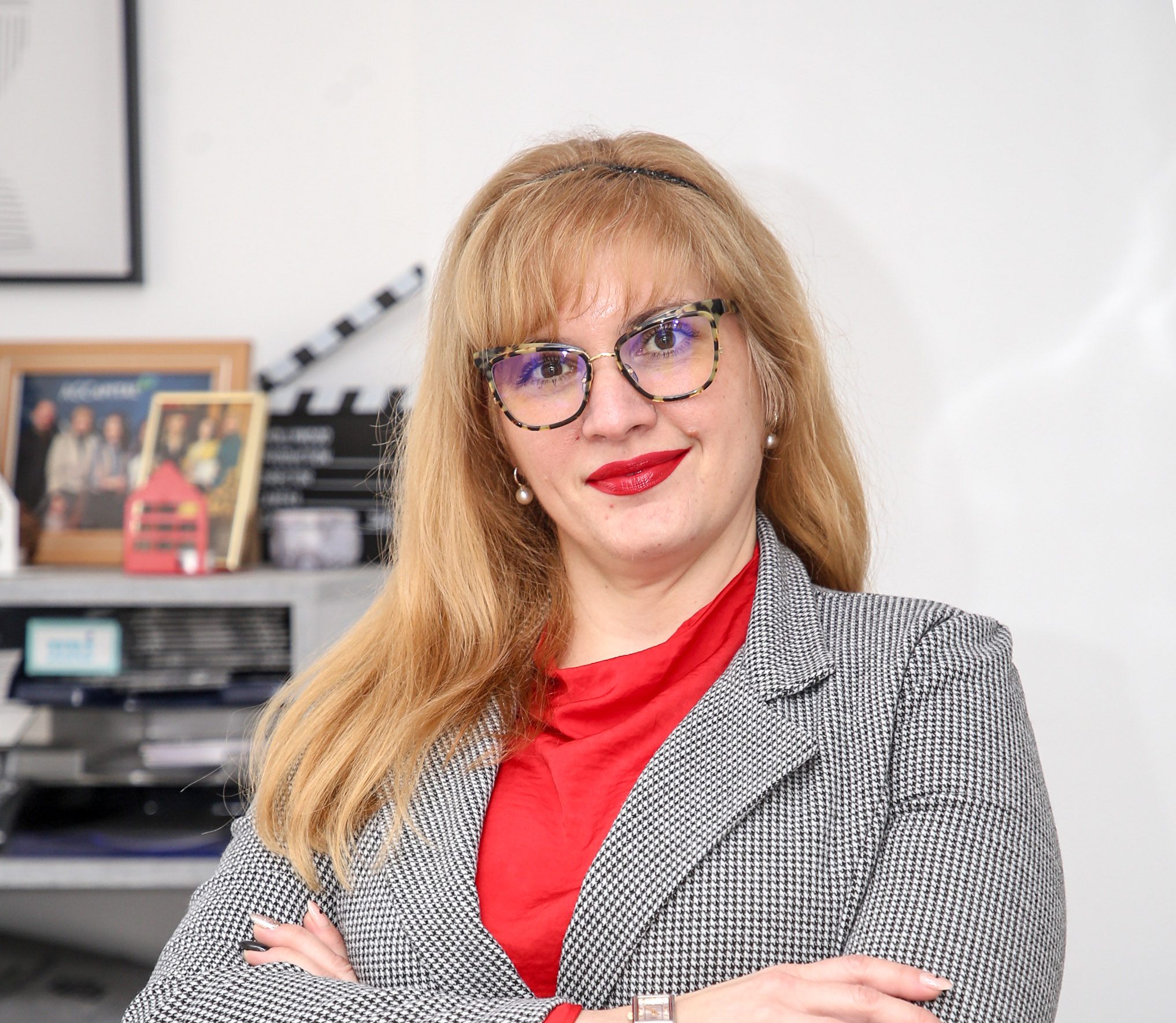
Stefka Tancheva
Head of Talent and People Development
ADDRESS Real Estate

Petya Ivanova
Account Manager
GrECo Bulgaria EOOD
T +359 88952 6815