
Extreme weather events like floods, wildfires and landslides are now regular risks for Albanian businesses, impacting supply chains and infrastructure. As Albania moves towards EU membership, stricter standards for construction, environmental compliance and ESG reporting are affecting corporate insurance. In this interview, Paul Johannes Spittau, Head of Group Carrier Relations & Insurance Mediation, GrECo International, and Elnar Gashi, General Manager, GrECo Albania, discuss the evolving risk landscape, insurer responses and key actions companies should take.
The environmental perils Albania can’t ignore
Spittau: In your view, which environmental forces will be most critical in Albania between 2026 and 2030?
Gashi: Albania is a climate-vulnerable country, so for 2026 – 2030 I expect the biggest pressures to come from floods, droughts, landslides and wildfires. We’ve seen a clear signal in the last couple of years – flood events, major wildfires last year, and landslides this year – and that trend is likely to intensify.
Spittau: What are the top three drivers in Albania behind these risks, why are they intensifying now, and which regions or asset types are most exposed?
Gashi: First, deforestation and degradation of riverbeds and drainage systems reduces natural absorption and makes flooding and erosion more severe. Second, rising temperatures and longer hot periods, which increase drought stress and make wildfire seasons more frequent and harder to control. Third, changing rainfall patterns: heavier downpours over short periods put pressure on slopes and infrastructure and are a key trigger for landslides.
EU accession and the changing risk profile for corporates
Spittau: How are policy decisions, economic conditions and ecological trends changing loss profiles for corporates in Albania?
Gashi: A big factor is Albania’s accelerated EU accession track. A lot of policies are moving quickly toward EU standards, and that changes risk profiles in a very practical way; especially around environmental protection, construction standards, ESG reporting, quality standards and workplace safety. At the same time, ecological volatility is increasing, so corporates are facing both higher physical risk and higher regulatory exposure.
What insurers are changing: pricing, capacity and wordings
Spittau: What does this mean in practice for pricing, deductibles, capacity and policy wordings this year?
Gashi: We’re seeing steady pressure on the market: clients are asking for more capacity and broader protection, while insurers are reacting to higher loss volatility and reinsurance constraints. The result is harder pricing, tighter wordings and higher deductibles, particularly on environmental liability, construction all risks and business interruption. In many cases, rate increases are in the 10 – 15%+ range, depending on exposure and risk quality. Looking ahead 12 – 18 months, I expect this trend to continue, especially for flood-exposed risks, and the quality of risk data will become even more decisive for access to capacity.
Where GrECo adds value: from advisory to claims
Spittau: In Albania, where does GrECo tangibly shift terms or capacity – whether through risk engineering, modelling, parametric structures, programme design or wording negotiation?
Gashi: We work as risk advisers, so our role goes well beyond price negotiation. The difference is in technical depth, independence and our ability to execute across the full risk lifecycle, from understanding exposures and improving risk information to negotiating wordings and supporting clients through claims.
Spittau: Can you share one practical example?
Gashi: One good example is a long-standing local client who previously placed insurance directly with a local insurer. Despite a relatively high premium, the cover was basic and restrictive. When we took over, we focused on realistic exposure and coverage quality, not just price. We identified a flood exposure gap, especially around business interruption, and recommended adding flood as a named peril and extending business interruption to include flood. The client was sceptical at first because they were far from a river and had no prior flooding history, but they agreed. Only a few months after inception, a severe flood occurred, driven by extreme rainfall and overloaded drainage, and operations were disrupted. Because flood and business interruptions were properly included, the policy responded and the business interruption loss was covered.
Resilience actions and renewal readiness
Spittau: What three changes would you now advise clients to implement?
Gashi: First, take business interruption seriously – review business interruption exposure and make sure cover is structured realistically for the business. Second, strengthen operational resilience, for example around access routes, emergency procedures and supplier alternatives. And third, put proper contingency planning in place and test it; when an event happens, the speed and clarity of response is what limits the loss.
Spittau: What risk information and site measures are most rewarded by underwriters in Albania right now?
Gashi: Underwriters respond very well when clients can provide clear engineering documentation and precise location data. In practice, that means confirmed construction standards and, where relevant, seismic design parameters supported by an engineer’s sign-off. For NatCat exposure, exact GPS coordinates, elevation, year built and construction type are increasingly important, alongside proximity to rivers, coastline or reservoirs and basic flood protection measures. For landslide and flood risk, even a simple soil or susceptibility classification can materially improve the discussion on terms.
Spittau: What three practical steps should companies take now to secure stronger outcomes at renewal?
Gashi: First, treat renewal like a structured project, start early, agree responsibilities and manage the timeline. Second, upgrade the quality of risk information, because that’s what drives capacity and terms. Third, implement and evidence risk improvements; even small, well-documented measures can improve insurer confidence and outcomes.
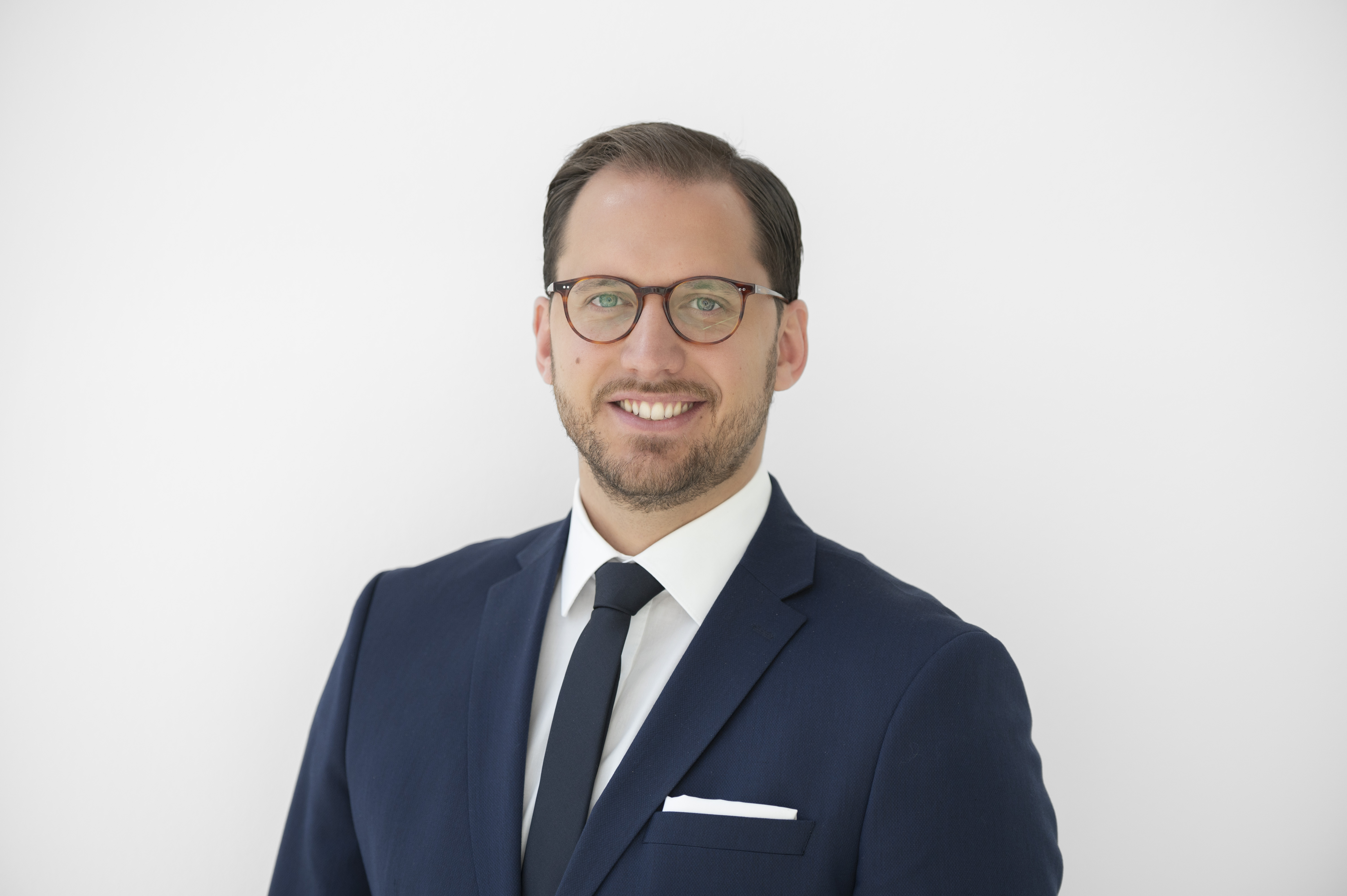
Paul Johannes Spittau
Head of Group Carrier Relations & Insurance Mediation
T +43 664 537 17 42

Elnar Gashi
General Manager
GrECo Albania
T +355684046206