
Robust crisis protocols are not just a protective measure, they are essential for operational continuity in today’s unpredictable landscape.
Read the full introduction to our series of articles on the Middle East conflict .
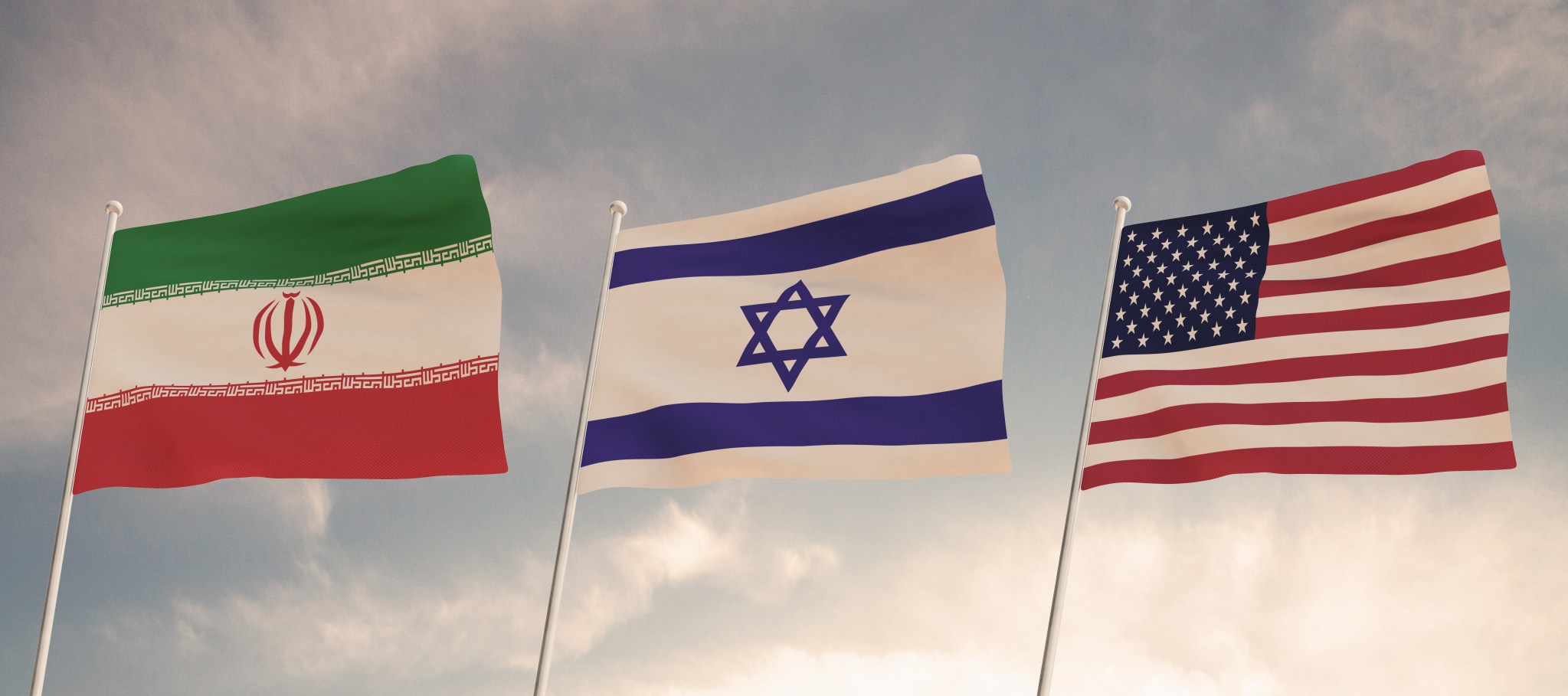
The ongoing tensions involving Iran, the USA, and Israel continue to disrupt stability across the Middle East. For companies in Central and South‑East Europe (CSEE), such volatility can quickly lead to business interruption, especially when employees are stranded, travel routes shut down, or security conditions change abruptly. In this environment, clear crisis‑management protocols help protect employees, support decision‑making and ensure operational resilience.
“With escalating geopolitical tension and rapidly changing local conditions, CSEE companies must operate with both shortterm responsiveness and longterm preparation,” says Andreas Radelbauer, Head of Travel Risk & Security, CORPORATE TRUST. “By separating immediate crisis actions from strategic future planning, organisations can protect their employees, reduce business interruption and fulfil their duty of care. Robust crisis protocols are not just a protective measure, they are essential for operational continuity in today’s unpredictable landscape”.
Below is a checklist of essential actions companies affected by having employees in the region should follow:
Current Situation: Immediate Crisis Response
Provide Immediate Access to a 24/7 Crisis Hotline
A round‑the‑clock hotline ensures staff can receive professional help at any moment. It offers reassurance, coordinates emergency steps and prevents employees from making unsafe decisions in moments of uncertainty.
Use Verified, Real-Time Security Information
Accurate intelligence is critical when conditions shift by the hour. Companies should rely on trusted sources that track airport closures, conflict zones, unrest and cyber disruptions, and share this information regularly with employees on the ground.
Issue Clear Behavioural Guidance for Specific Threats
Travellers should know exactly how to react to missile alerts, demonstrations, checkpoints or communication outages. Practical rules of conduct reduce risk and help employees remain calm and consistent under pressure.
Decide Between Evacuation and Shelter-in-Place
Evacuation is not always safer. Expert assessments are vital when weighing whether staff should leave or stay in a protected location. Key factors include access to transport, local stability and the reliability of routes to airports or borders.
Monitor Flight Availability and Alternative Travel Options
Airspace restrictions and sudden cancellations are common. Companies should continuously track flight routes and have backup airports and emergency charter options ready in case commercial flights are suspended.
Future Issues: Preparing for the Coming Weeks and Months
Prepare for Secondary Security Impacts
In addition to direct conflict risks, companies must consider possible cyber retaliation, threats to Western-linked facilities and rising local hostility. Anticipating these developments helps strengthen cybersecurity and adjust travel policies.
Check Residency and Visa Requirements
Employees without stable resident status may face sudden movement restrictions. Reviewing visas, permits and renewal deadlines reduces administrative risks during volatile periods.
Limit Business Travel to Essential Needs
Any deployment to the region should undergo strict pre‑trip risk assessment. Internal approval processes ensure that travel is necessary, proportionate and aligned with current security conditions.
Fulfil Duty-of-Care Requirements
Companies must clearly document risk assessments, provide pre‑trip briefings, and maintain the ability to track employee locations. Duty‑of‑care obligations apply throughout the entire duration of the trip.
Review Insurance Coverage
Kidnap & Ransom, political evacuation, medical assistance and business‑interruption policies should be reviewed to ensure they reflect the realities of the Middle East. Understanding exclusions prevents gaps in protection when it matters most.
Strengthen Internal Crisis Preparedness
A coordinated response structure linking HR, Corporate Security, Travel Management and external partners ensures consistency and speed during emergencies.

Andreas Radelbauer
Head of Travel Risk & Security
CORPORATE TRUST
T +43 664 466 2180