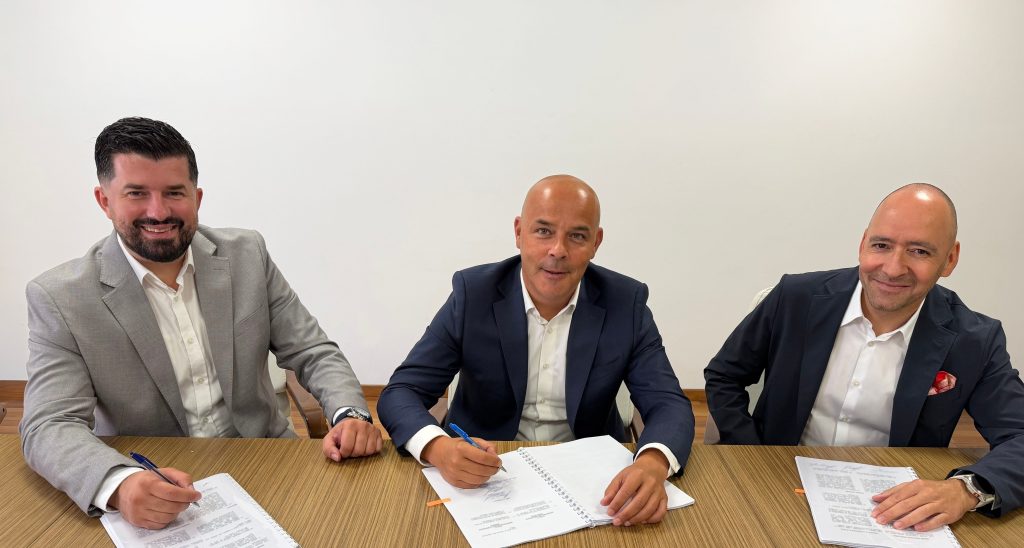

Amid an increasingly volatile global environment, understanding the risks and opportunities facing Czechia has never been more crucial. Paul Johannes Spittau, Head of Group Carrier Relations & Insurance Mediation at GrECo International, sits down with GrECo Czechia’s General Manager, Radovan Škultéty, and Risk and Insurance Technique Manager, Lubor Kunc, to discuss the complex interplay of global and domestic forces shaping the country’s economic landscape.
Global forces that will matter most in 2026–2030
Spittau: Looking ahead to 2030, which global forces will matter most for Czech businesses over the coming years?
Škultéty: The Czech Republic is one of Europe’s most open and export‑oriented economies, deeply embedded in EU and OECD markets. This openness brings opportunity – but also exposure. Global political, economic and social developments increasingly affect Czech performance both directly and indirectly.
Spittau: What does that exposure look like in practice?
Škultéty: Our strongest trade links are still within Europe – particularly Germany, Slovakia, Poland, Great Britain and France – but China also plays a key role on the import side. This shows how closely Czech industry depends on both European economic stability and wider global dynamics beyond the continent.
Spittau: Which global trends are currently having the biggest impact?
Škultéty: Deglobalisation pressures are clearly visible. Tariffs introduced by the United States, sanctions affecting trade with Russia and Belarus, and wider economic rivalries between regions all disrupt Czech exports. Because Czech manufacturers supply German industry to a large extent, Germany’s economic performance has a disproportionate influence on our own.
Three country‑specific factors shaping risk
Spittau: If you had to identify three country‑specific factors that matter most for the Czech Republic today, what would they be?
Kunc: First, our structural dependence on international trade. The Czech economy has been ranked among the most complex globally, which reflects a sophisticated export base – but also a high sensitivity to supply‑chain disruption and foreign demand shocks.
Energy security is the second factor. High retail energy prices – currently among the highest in the EU – are reducing competitiveness. Although dependence on Russian gas and oil has fallen sharply since 2022, geopolitical instability, particularly in the Persian Gulf, continues to pose a real threat to energy supply and pricing.
The third factor is workforce constraints. Despite rising unemployment during downturns, Czech companies still struggle to find skilled labour. Temporary relief came from Ukrainian workers between 2022 and 2025, but that source is now largely exhausted, while political resistance limits broader immigration solutions.
Risk mechanics: geopolitics × economics × operations
Spittau: How are these pressures reshaping corporate risk profiles in the Czech Republic?
Kunc: Corporate planning has become far more complex. Volatile global demand affects exports and employment, while labour shortages persist. At the same time, companies face new operational risks linked to supply chains, transport routes and political instability in key regions.
Spittau: How is this changing insurance priorities?
Kunc: Traditionally, Czech companies focused on property damage and customer credit risk. Today, there is much stronger demand for business interruption and consequential loss cover, marine insurance for goods in transit, and political risk solutions.
Spittau: Are markets able to meet this demand?
Kunc: Business interruption and marine capacities are generally sufficient. Political risk capacity, however, needs further expansion. Trade credit remains insurable, but financial deterioration can quickly make companies uninsurable. Interest in cyber risk is growing, though it is not yet fully embedded in Czech risk strategies.
Where strategic investment is shifting
Spittau: Where are you seeing investment shift and why does it matter?
Škultéty: Automotive manufacturing remains dominant, but new sectors are gaining momentum. IT, telecommunications, gaming, film production, data centres and semiconductor‑related infrastructure are attracting increasing investment. Lithium mining at Cínovec is also expected to become significant later this decade.
Spittau: How does logistics fit into this picture?
Škultéty: The Czech Republic’s central European location is driving major logistics expansion. Czech logistics companies are consolidating, expanding abroad and investing heavily in warehousing to support manufacturing and e‑commerce across CEE.
Spittau: And defence manufacturing?
Škultéty: Defence and ammunition production has become one of the fastest‑growing export segments. Czech companies now operate globally, acquiring competitors across Europe and North America and listing on international exchanges. This has significantly reshaped insurance demand.
Data and intelligence that strengthen resilience
Spittau: What kinds of data are proving most valuable for resilience and insurability?
Kunc: For an export‑driven economy like ours, trade‑flow data, geopolitical heatmaps and credit analytics are essential. These tools help management understand exposure, anticipate disruption and make informed strategic decisions.
Spittau: How advanced is the use of AI and analytics?
Kunc: Adoption is rising quickly. Around 17% of Czech companies already use AI regularly – comparable to Germany and ahead of several Western European markets. However, awareness of cyber and AI‑related risks remains low, despite very high levels of cyber‑attacks.
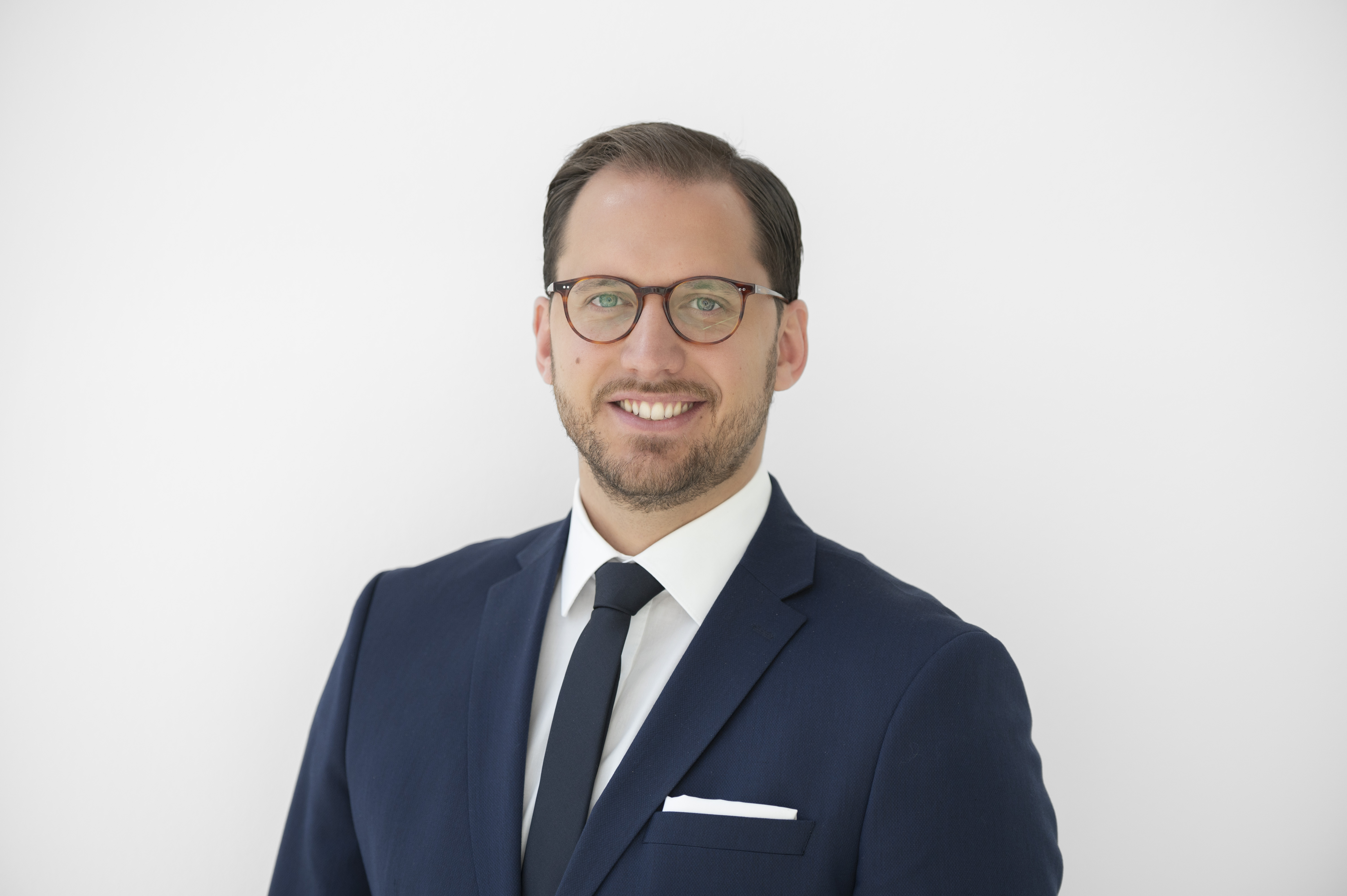
Paul Johannes Spittau
Head of Group Carrier Relations & Insurance Mediation
T +43 664 537 17 42

Radovan Škultéty
General Manager
GrECo Czech Republic
T +420 770 141 442
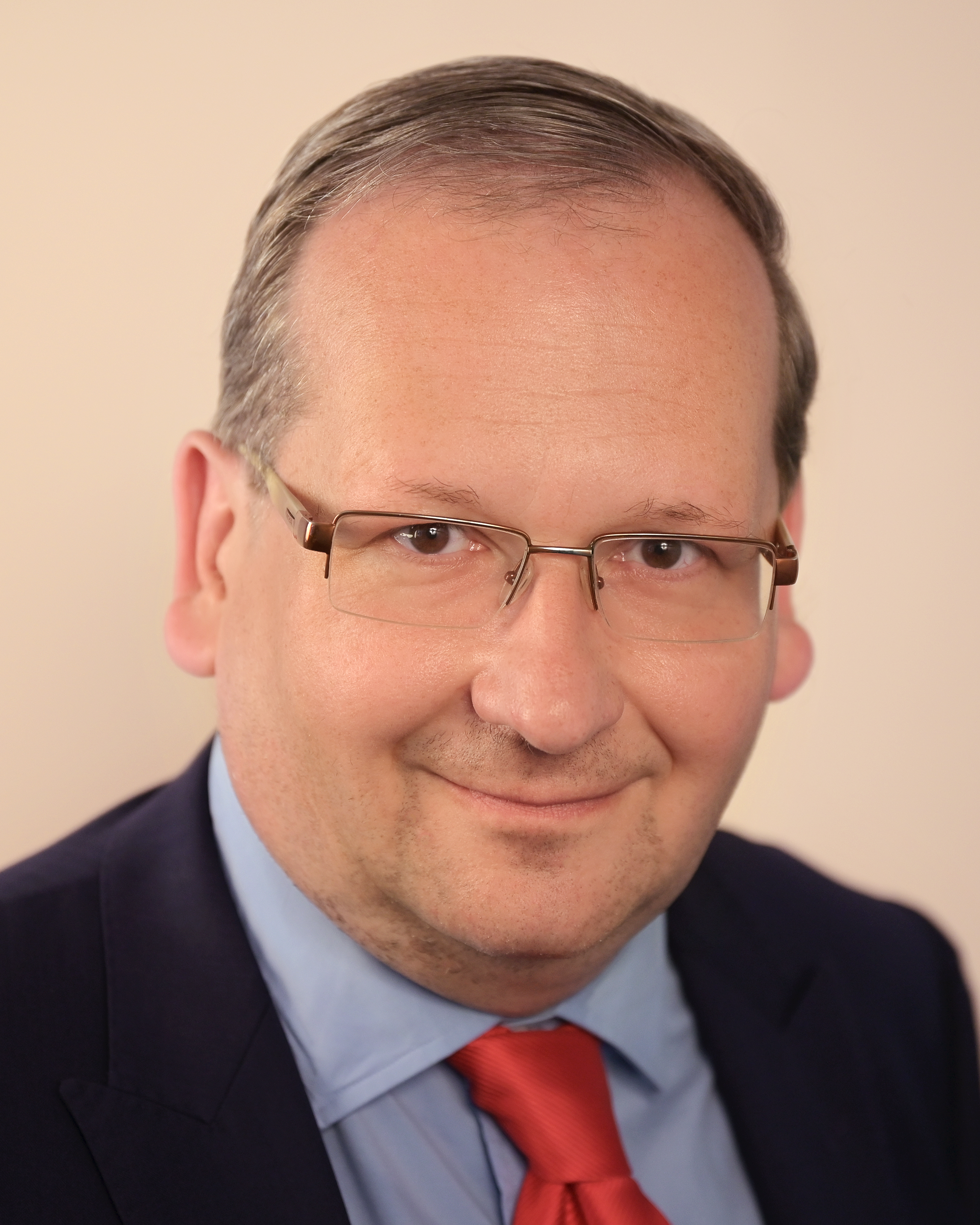
Lubor Kunc
Risk and Insurance Technique Manager
GrECo Czech Republic
T +420 725 565 573