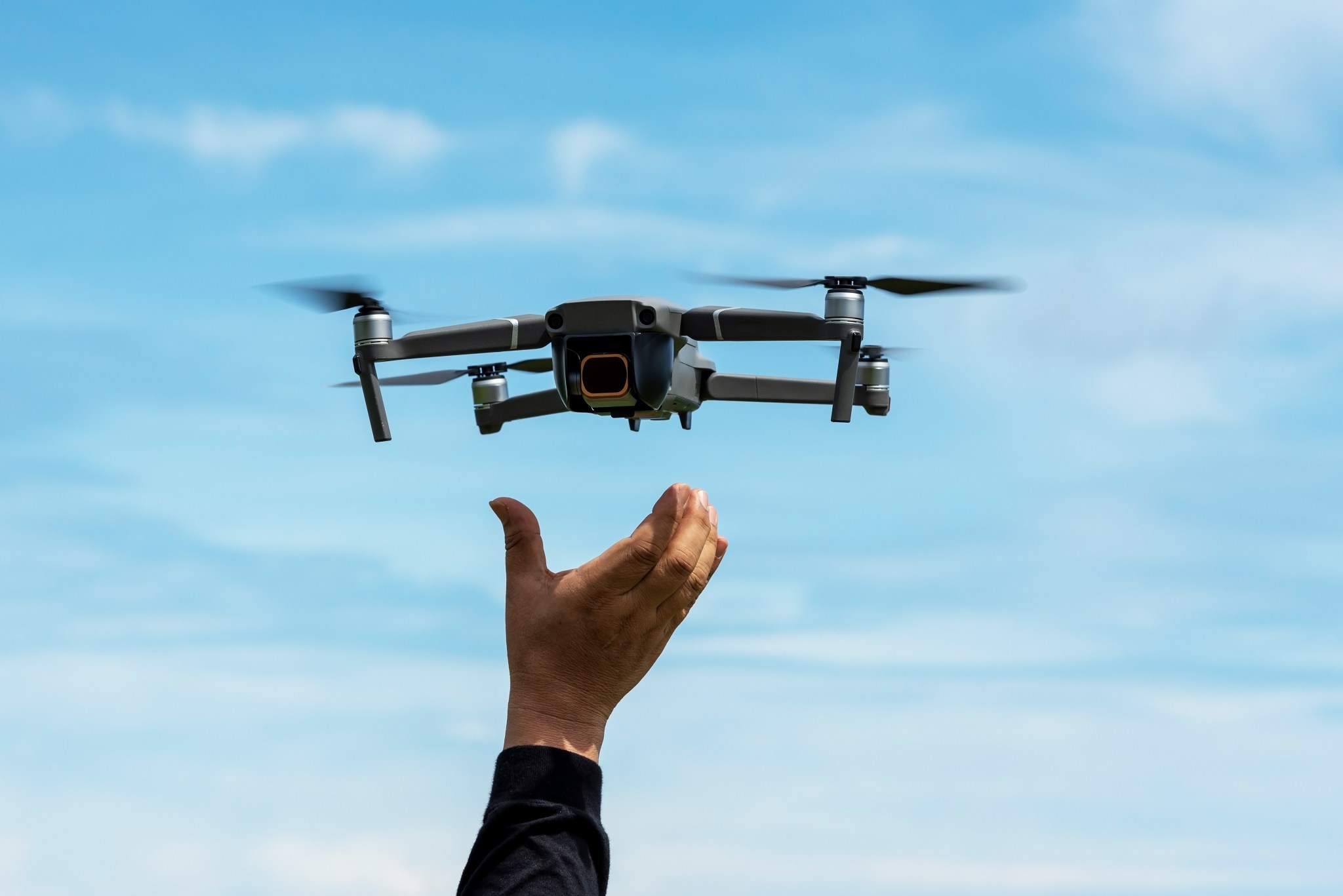
Cyberattacks and drone attacks frighten us – when we see the latest threats to European airports, we ask ourselves; how can this happen?
Fire, natural catastrophes or liability scenarios – these can be serious and catastrophic loss events for aviation, no matter where in the aviation industry – airports, airlines or suppliers. But it’s all “yesterday’s news” when we look at the latest news reports!
The Newest Threats to the Aviation Industry
Cyberattacks and drone attacks frighten us – when we see the latest threats to European airports, we ask ourselves; how can this happen? Isn’t aviation one of the safest ways to travel in the world? Isn’t it one of the most regulated industries globally?
Yes, it probably is, but the latest developments in attacks on the critical infrastructure of airports also show our dependence on the digital networking of supply chains as well as the threat posed by drones or other unmanned aerial vehicles – wherever they come from.
Drones and the Vulnerability of Critical Aviation Infrastructure
When drones fly near critical infrastructure, it’s not just about military concerns like the recent events in Poland – more often, it’s everyday hobbyists who may not realise the risks their flights can create. The consequence is the closure of airports and airspace as well as diversions to avoid a collision. This results in delays, processes are disrupted, and uncertainty is spread.
The economic damage is enormous, the personal inconvenience of every traveller due to delays or cancellations is great. Nothing worse has happened yet due to the existing processes and safety in aviation, but drones pose a serious danger to aircraft. They consist of critical components such as metal, batteries and motors that can cause enormous damage in the event of a collision with an aircraft, such as cracks in the fuselage or engine failures.
Check for No-Fly Zones
Certain airspace areas are designated as legal safety zones with clearly defined boundaries, restricting public access. These are defined by official ordinances, published by the respective airspace surveillance authority; in Austria it is Austro Control GmbH. It is possible to check before carrying out a drone flight in a few simple steps (www.dronespace.at) whether the planned flight can be carried out without an additional special permit and/or whether flight clearance is required in advance.
Austrian Civilian Zones with Drone Flight Restrictions:
These security zones are monitored by technical surveillance systems as well as sightings through the air traffic control tower or official operations on site. Defending against or tracking drones, which usually disappear quickly from the scene – as has happened in recent days and weeks at various airports – is difficult, time-consuming and expensive.
The Impact of Cyber Attacks on Airports
The threats from drone-flights are visible, but not so with another new threat – the impact of cyberattacks on airports – whether directly or indirectly on service providers. These effects can also be immense and can affect many areas: check-in, security checks, electronic passport or border controls, boarding, baggage handling for passengers, and handling of cargo or aircraft themselves. The disruptions and the resulting waiting times and delays affect all air traffic and can only be mitigated with the deployment of additional personnel.
The Vulnerability of Airports
The latest attacks on 20 September 2025 at airports in Europe have shown the vulnerability of airports and the knock-on effects of an attack – partial standstills, enormous delays and cancellations, to name just a few. Now the dust has settled, it is clear that the attack was a ransomware attack on an IT service provider, i.e. not a direct attack on one of the affected airports. However, even that I suspect is only a matter of time.
Such incidents not only disrupt airport operations but also have a significant impact on the economy and the personal well-being of individuals, while simultaneously increasing the risk of theft of personal data. While, fortunately, there has been no immediate threat to life, the repercussions, such as ongoing delays and the continued need for extra staff at check-in and other critical points, are likely to persist for some time after the event.
When the Aviation Sector Becomes a Target
But what happens when airlines, airports, or air traffic control become targets? Reports frequently surface about aircraft experiencing GPS interference, particularly near conflict zones. In such cases, alternative methods, such as manual navigation, must step in to ensure safety. For many years, aviation has been a prime focus for international hacker groups, motivated by economic gain, political objectives, or even terrorism. Their intention is often to disrupt vital operations, steal sensitive data, or undermine public confidence. Given that the industry depends on digital systems operating continuously, a successful cyberattack could inflict millions of Euros’ worth of damage in mere hours, not to mention posing serious risks to passengers, infrastructure, and those on the ground
The Path to Resilience in Aviation
Digitalization, which has become indispensable, enables many new and, above all, faster and cost-saving processes in aviation, but it has made the industry’s systems more vulnerable. It is imperative that companies operating within the aviation sector recognise the evolving nature of these threats and act decisively to bolster cyber resilience. Investing in robust cybersecurity measures, fostering industry-wide collaboration, and regularly updating risk assessments are now essential steps. By remaining vigilant and proactive, stakeholders can help safeguard the future of aviation, ensuring both operational continuity and the trust of the travelling public.
It’s time to futureproof our aviation industry – before the next attack tests the limits of our preparedness.

Ilse Konheisner-Holub
Competence Center Manager Aviation
M +43 664 96 24 012