
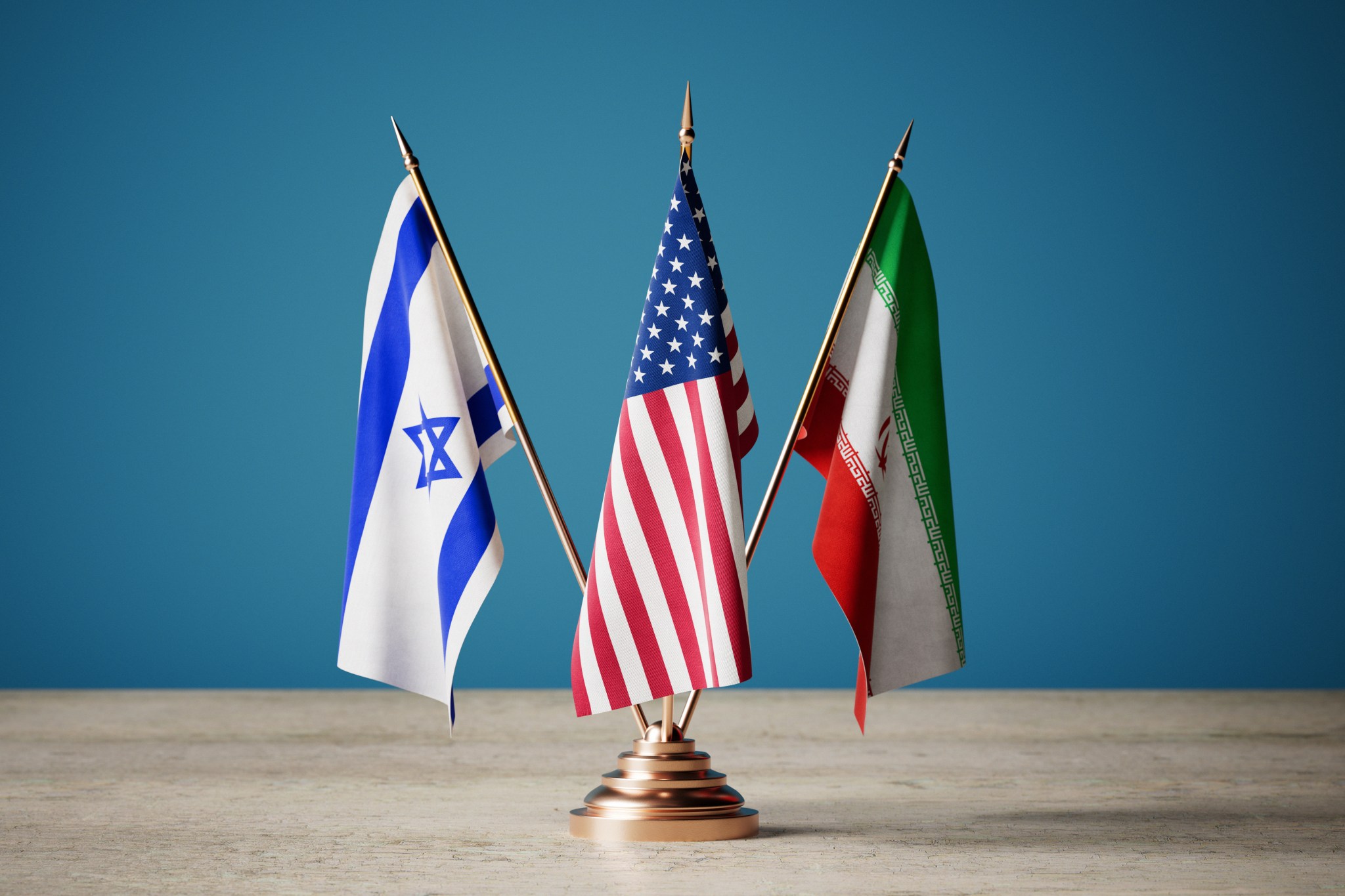
In times of geopolitical uncertainty, attempting to predict events is less important than preparing for rapid change.
Read the full introduction to our series of articles on the Middle East conflict .
The rapidly evolving situation in the Middle East over recent days has created significant uncertainty for employees living, working, or travelling in the region. Sudden airspace closures, mobility restrictions, and emergency security measures have demonstrated how quickly conditions can shift, even in countries previously considered stable transit hubs. In this environment, an organisation’s duty of care becomes more critical than ever.
For employers, the immediate challenge is clear: ensuring the safety, wellbeing, and reliable support of employees who may be directly affected or unable to leave the region. Geopolitical tensions introduce not only physical risks, but also heightened stress, misinformation, and operational disruptions that can leave employees feeling exposed and overwhelmed. Companies must be prepared to act quickly, provide accurate guidance, and maintain structured communication that helps employees remain safe despite rapidly changing conditions.
Drawing on insights from our risk advisory expertise and guidance from our trusted corporate intelligence partners Corporate Trust, this article outlines the risks employers need to understand right now and the immediate steps they should take to fulfil their duty of care responsibilities and support employees on the ground. The fast moving developments in the Middle East over recent days serve as a stark reminder that geopolitical shifts are no longer distant events; they have immediate, tangible consequences for organisations and their people. What begins as a regional escalation can swiftly disrupt international mobility, interrupt supply chains, and leave employees stranded in locations where conditions change by the hour. In this environment, companies must recognise geopolitics as an ongoing transformation of the global risk landscape, not a series of isolated crises.
How Current Conditions Affect Employees on the Ground
- Travel Disruptions and Airspace Closures: Temporary airspace closures can cause cascading disruptions, leaving aircraft and crews out of position and delaying onward travel for days. This exposes employees to extended stays in affected areas and creates operational uncertainty.
- Heightened Exposure During Local Movement: During increased alert levels, mobility itself becomes a risk. Roadblocks, emergency deployments, or sudden security interventions can impact employees moving between hotels, offices, or airports. Minimising nonessential movement is now a core safety principle.
- Misinformation and Conflicting Reports: During crises, unverified information spreads rapidly through social media and private messaging channels. For companies, this can lead to poor decisions, such as employees travelling to airports prematurely or inadvertently entering highrisk zones.
- Risks in Public and High-Visibility Spaces: Crowded areas, symbolic locations, and mass gatherings pose elevated risks. Employees need clear instructions on which areas to avoid and why, especially during periods of heightened sensitivity.
- Stress, Uncertainty, and Decision Fatigue: In rapidly changing environments, unclear guidance can lead to panic, confusion, or inaction. Companies must support employees with structured communication and simple, decisive instructions.
Duty of Care Actions Organisations Should Take Now
Strengthen Duty-of-Care and Travel Protocols
Organisations should equip travelling staff with clear behavioural guidelines, including:
- Minimising movement and staying in a stable, secure hotel
- Selecting rooms between the 2nd and 5th floors for easier evacuation
- Preparing essential items (documents, medication, water, flashlight, sturdy footwear) for rapid departure
- Understanding evacuation routes and prioritising calm decision-making during alerts
Enhance Operational Planning
Companies should anticipate disruptions by:
- Rebooking travel and meetings proactively
- Preparing for multiday delays in major hubs
- Establishing daily checkins for travelling employees
- Ensuring business continuity plans include region-specific contingencies
Implement Controlled Mobility Policies
Moving towards the airport or other critical locations should only happen after verified confirmation of operational flights, ideally through official airline or airport channels.
Formalise Information Governance
To avoid misinformation-driven decisions, companies should:
- Rely on information only from official channels (government authorities, embassies, Corporate Trust’s real-time information country databases, and other verified alert systems)
- Clearly instruct employees where not to source information
- Establish a single internal point of contact for updates
Preparedness Matters More Than Prediction
In times of geopolitical uncertainty, attempting to predict events is less important than preparing for rapid change. Organisations with strong dutyofcare frameworks, reliable communication channels, and clear behavioural guidance are best positioned to safeguard their people and maintain operational stability.
With the right structures in place, employers can provide clarity, confidence, and support to employees who must navigate escalating risks in the Middle East, plus ensure that the organisation meets its responsibilities with professionalism and care.
GrECo and Corporate Trust stand ready to support organisations with expert advice, proven methodologies, and tailored solutions to navigate these evolving risks with confidence.

Georg Winter
CEO GrECo Group
T +43 664 962 39 06

Andreas Radelbauer
Head of Travel Risk & Security
CORPORATE TRUST
T +43 664 466 2180