General Manager of GrECo Sagauta, Katerina Pavlidi, recently met with Dr Tomas Kontautas, partner at the law firm Sorainen to discuss the sustainable development of the Baltic insurance market and just how green its future will be.
Pavlidi: ESG compliance is starting to roll out in the Baltic states, can you share insights into the phases of development and provide a snapshot of how far along the insurance market is in meeting CSRD requirements?
Kontautas: When it comes to ESG, there are three phases of development in the Baltic insurance market. The first phase relates to the initial awareness and the efforts to understand what these three letters – ESG – truly mean. The second phase is voluntary changes in certain aspects of activity followed by public information on how these changes are being implemented. And the third and final phase is a deeper compliance with the applicable ESG regulations.
Baltic insurers are currently in the third phase. As of 1 January 2024, European companies (including insurance companies) complying under the Corporate Sustainability Reporting Directive (CSRD) are required to report and disclose detailed information on how their operations affect the environment and social matters, and how they manage related risks and opportunities. As a result, many companies are working on their internal processes and have started appointing ESG officers.
Pavlidi: Is the surge in mergers and acquisitions in the region influencing the insurance market’s sustainability compliance?
Kontautas: There have been many mergers and acquisitions taking place in the Baltic states. Recent examples include Allianz entering the region through its purchase of Aviva, and the merging of Šiaulių bankas and Invalda IVNL’s retail investment arm, including the life insurance business. The knock-on effect is positive. We are seeing that as our insurance sector continues to witness more mergers and acquisitions the trajectory towards sustainability is becoming increasingly vibrant as buyers assess whether the company being acquired aligns with ESG requirements.
Client preferences will dictate strategic change
Pavlidi: How are client preferences shaping the strategies of insurance providers in the Baltic region, particularly in relation to ESG considerations?
Kontautas: For those buying MTPL and casco or insuring homes they’re only in the first phase: Simple insurance products do not face significant pressure from the clients to be green, and the number of ESG-aware clients in the segment is quite low. However, electric cars and green energy solutions such as solar panels fall into this category and buyers of these sorts of products will be more interested in how ESG-orientated their insurers are.
On the corporate side, things are becoming more complicated. Baltic economies receive a big part of their investments from Scandinavia, and so Baltic subsidiaries are now starting to put ESG topics on their agenda. As a result, it’s only a matter of time before insurers and brokers will be asked: ”How ESG compliant are you?”. Banks are one step further ahead and are already fastidiously asking this question to any counterparty they deal with.
Future pensioners will also put demands on the market to change as they look for ESG-compliant returns from their investments in unit-linked life insurance policies. It’s safe to say therefore that the pressure on life insurers is definitely visible, especially when bank-owned pension funds are already announcing ESG compliant investment options.
Educating clients is a crucial role for brokers
Pavlidi: How can brokers actively educate clients about the advantages of ESG in insurance and how do they navigate the potential risks associated with that?
Kontautas: Brokers are in a different position to underwriters: If insurers in the Baltics are in phase three (implementation), many brokers are still in phase two (voluntary action). This can be explained in part by the fact there is less pressure on brokers to adapt to ESG than on insurers, who are responsible for insurance product design and for the level of appetite for certain risks to be insured.
Nevertheless, brokers can play a crucial role in educating clients about the benefits of ESG and helping them understand how their choices for certain insurance products could contribute to positive environmental and social outcomes. This could involve providing materials, hosting webinars, or offering personalised consultations. Brokers could work with clients to create customised insurance programmes that align with specific ESG preferences and values. However, in so doing there are certain ESG relevant risks for brokers: If a broker over emphasises a client’s sustainability profile to an ESG risk cautious insurer, they may face greenwashing claims. This not only presents a risk of financial loss, but also negative publicity. The knock-on-effect will be a higher demand for PI insurance which covers such risk.
The future is bright, the future is green
Pavlidi: What is the anticipated future perspective for the Baltic insurance market, especially in comparison to the banking sector and in light of the temporary disruption to ESG implementation due to geo-political events?
Kontautas: As I just touched on, when comparing the insurance industry with the banking sector, banks are well ahead in developing and implementing sustainability requirements. Almost every bank in the Baltics offers green products (green car leasing, green loans, green bonds), has various tech solutions (apps), and actively consults and educates their clients on ESG-related issues.
Meanwhile, their younger sibling the insurance sector is gradually moving towards this goal. We are hearing of sustainable claims handling (repair vs. new) and are seeing efforts to change risk management and underwriting processes to avoid “not green enough” risks.
Inevitably ESG also means innovation. Insurers will need to create new products; for example, products suitable for producers of new fuels including biodiesel and green hydrogen, as well as other innovations which prioritise collaboration with customers, employees, suppliers, and insurance brokers. Each of whom will have to recognise their integral role in sustainability efforts.
Although it was expected that the geopolitical situation of the Baltic countries following the start of the war in Ukraine would affect the development of sustainability ideas, the pause was temporary. The ESG wave is in full swing again – if anything, the global context of turmoil and uncertainty has contributed to an increased awareness of the importance of sustainability.
All in all, it’s safe to say the future for the Baltic insurance market is inevitably green!
About Dr. Tomas Kontautas
Dr. Tomas Kontautas is a partner at Sorainen, a Baltic law firm with more than 250 lawyers based in Vilnius, Riga and Tallinn. He heads the Baltic Finance and Insurance team and advises clients on insurance regulatory and commercial matters (claims, products, distribution models). Tomas is also the General Representative for Lloyd’s in Lithuania and lectures on insurance law at Vilnius University.
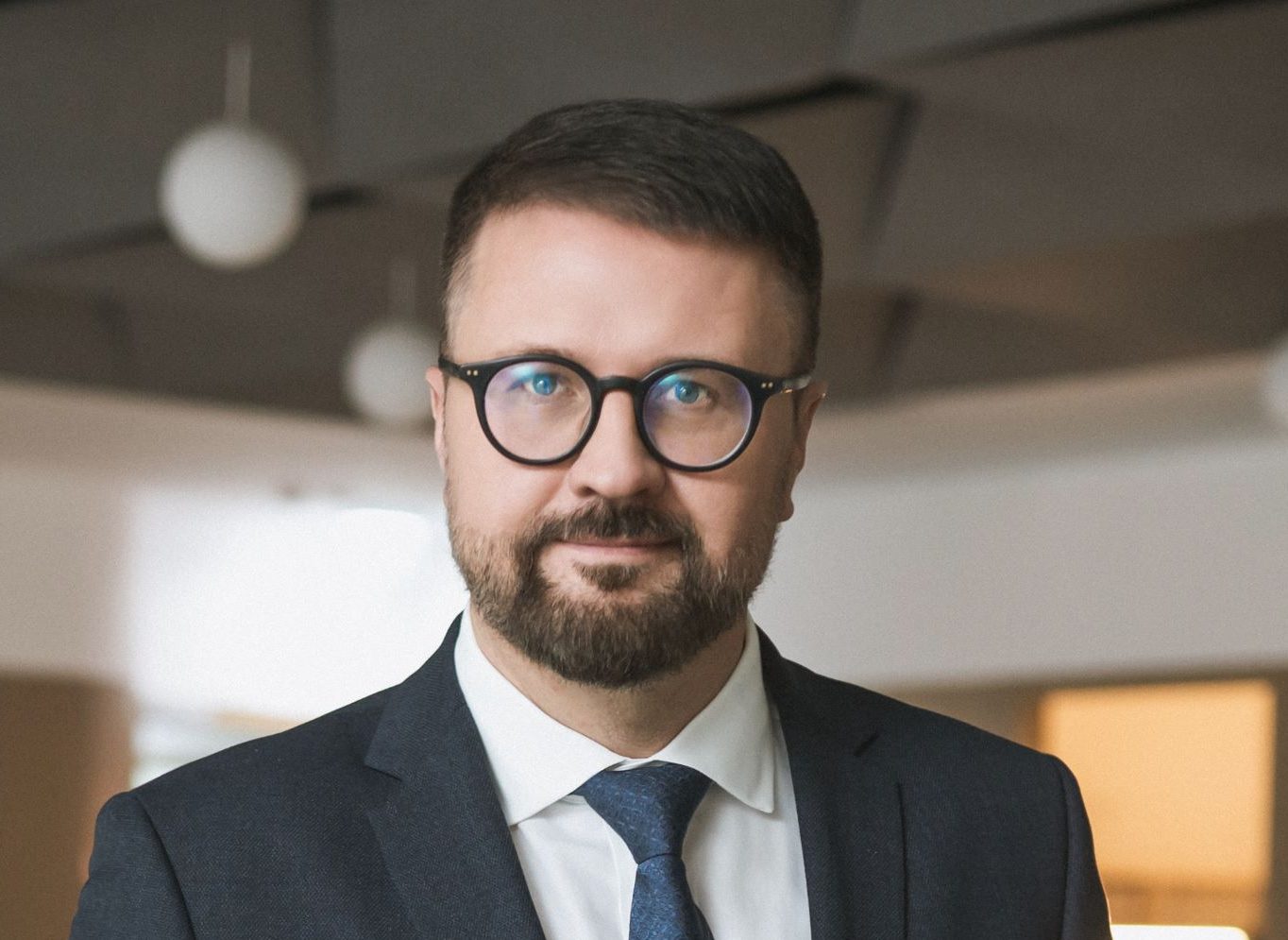
Tomas Kontautas
Partner Sorainen

Katerina Pavlidi
General Manager GrECo Sagauta
T +370 612 24 276
Related articles
Insured by Algorithms
The insurance industry is undergoing a profound transformation, driven by the rapid adoption of AI and predictive analytics.
Beyond Moving Cargo: Why Employee Well-Being Is the Real Asset in Logistics
In today’s employee-driven market, especially for Gen Z talent, benefits aren’t just perks – they’re strategic tools for attraction and retention
The New Edition of FORWARD Magazine Is Now Available
GrECo is proud to present the latest edition of our client publication, FORWARD Magazine—now live and ready to explore.