Ecological transformation and ecological risks

Ecological Transformation

When we look at climate change, we refer to climate risks. They are apparent in form of a change or an increased exposure to natural disasters, such as floods, storms, and hail as well as heat, drought or a rising sea level. As far as companies are concerned, these risks can cause anything from material damage to disruptions of transport routes, energy, or raw material supplies.

In the fight against climate change, many companies have decarbonised their processes or developed sustainable products. Saving resources and taking advantage of new opportunities are key focal points. However, new products and processes lead to new risks that must be identified at an early stage.

We are undergoing times of permanent change, which many refer to as systemic transformation or multiple crises strung together. This change takes place in different fields and segments. They, in turn, are interlinked at various levels. HORIZON’s risk-oriented approach aims to define and outline the key areas of change affecting your company. In doing so, we take a close look at the systemic influences of ecological, geopolitical, technological and social transformation on your company’s risk landscape.

Read what our risk expert had to share regarding the future of ecological risks in front of us.

Steffen Robbi tells Laura Hochegger about how digitalization can contribute to a sustainable transformation and risk minimization in the construction and real estate industry, especially in the circular economy and in the refurbishment of existing buildings.
In the light of impending annual ESG reporting, the challenges in the dimensions of sustainability cannot be fully met by the existing certificates. The requirements of the EU taxonomy and the growing demand on the real estate market for climate-friendly buildings require uniform assessment criteria and thus indirectly a harmonization of assessment systems.
Concrete is one of the most influential building materials of our time. It is durable, versatile and has outstanding structural and physical properties. Nevertheless, this building material has one major disadvantage: it is responsible for eight percent of global CO2 emissions. 
Rosenbauer Group is a thought leader and technology and innovation front-runner in the firefighting industry. Sebastian Wolf, CEO at Rosenbauer International, discusses with Argun Zia-Dam, Account Manager at GrECo, how Rosenbauer Group is blazing a trail in this industry and why cities in the future will rely on electrically powered firefighting vehicles.
The risk of water scarcity is one of the key considerations in the risk management and ESG policies of food and agriculture companies.  But where there’s acute risks, there are huge opportunities for change: Water scarcity concerns are driving innovation in the food industry and with members of the public.
In an interview with Laura Hochegger, Martin Schiefer explains why public clients have the strongest leverage for a sustainable future.
According to Michael Porter’s and Mark Kramer’s shared value concept, the solution lies precisely in resolving this conflict of objectives: The aim is to create economic value in such a way that it simultaneously benefits society.
Future-oriented action strengthens strategic resilience.
The challenges facing Austrian agriculture are diverse and complex. Prok. Dr Mario Winkler, Head of Communications at Österreichische Hagelversicherung, talks with Laura Hochegger, Executive Assistant Strategy, Sustainability, Innovation at GrECo Group

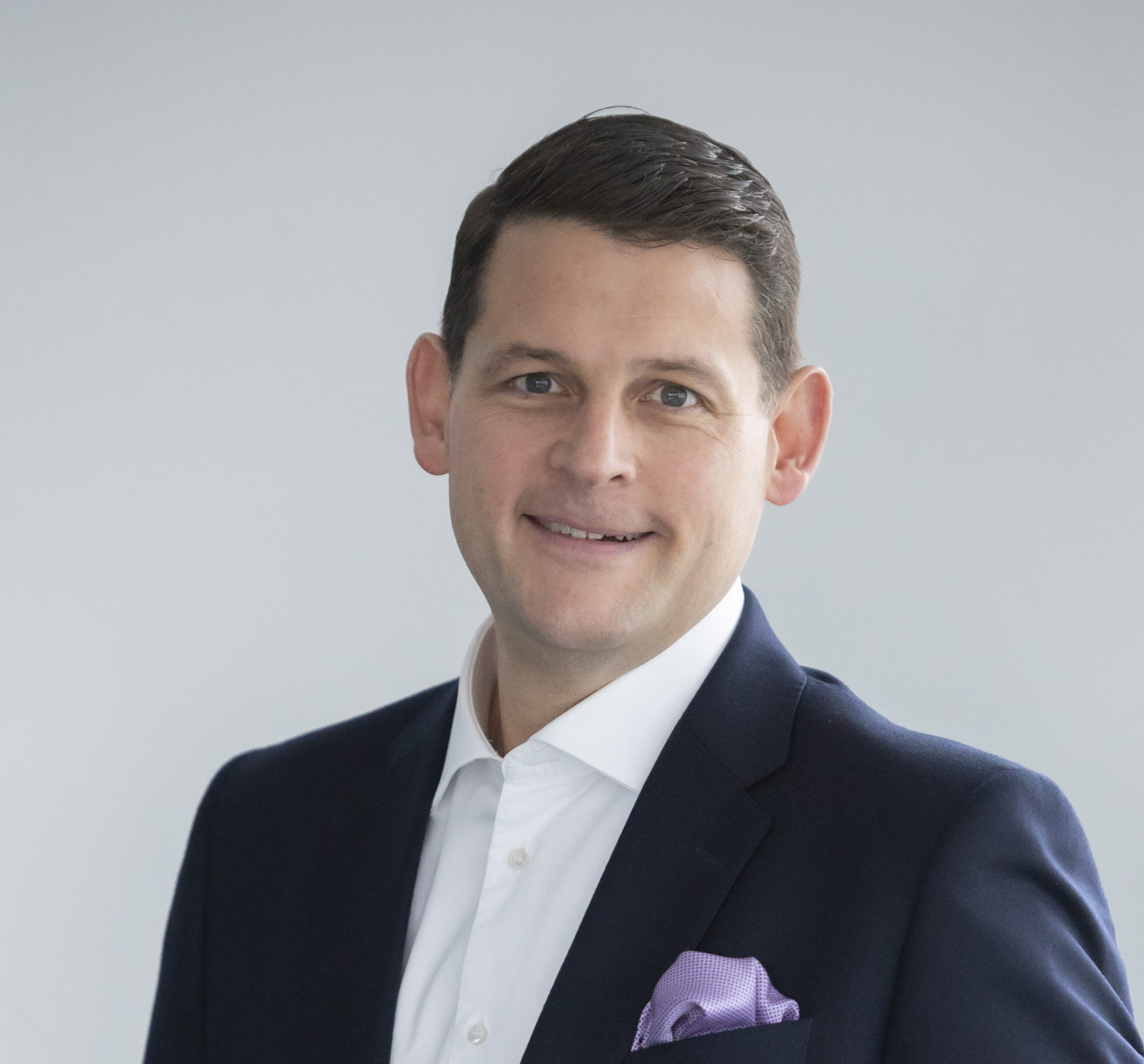
Georg Winter

CEO GrECo Group

T +43 664 962 39 06