Ecological transformation and ecological risks

Ecological Transformation

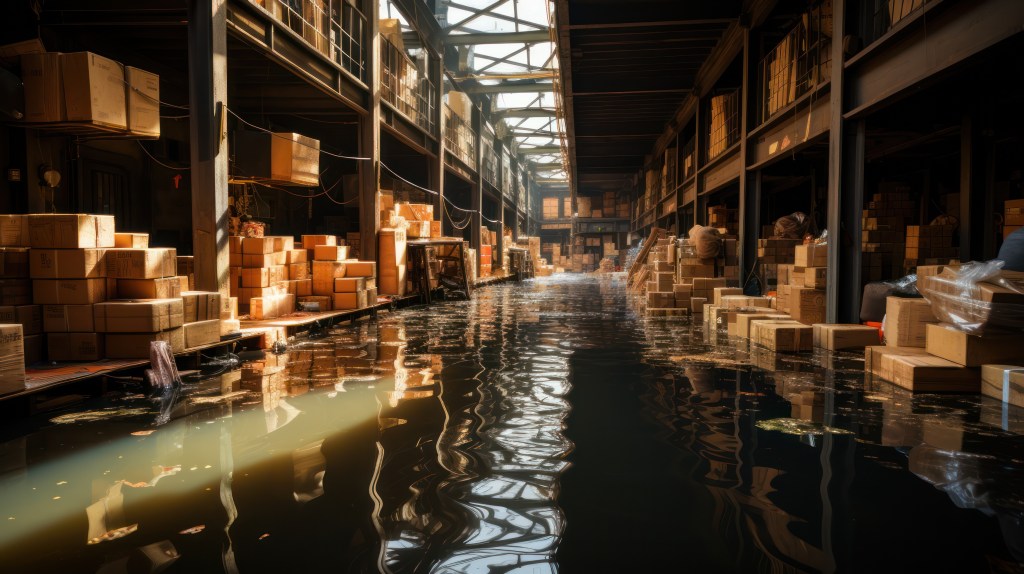
When we look at climate change, we refer to climate risks. They are apparent in form of a change or an increased exposure to natural disasters, such as floods, storms, and hail as well as heat, drought or a rising sea level. As far as companies are concerned, these risks can cause anything from material damage to disruptions of transport routes, energy, or raw material supplies.

In the fight against climate change, many companies have decarbonised their processes or developed sustainable products. Saving resources and taking advantage of new opportunities are key focal points. However, new products and processes lead to new risks that must be identified at an early stage.

We are undergoing times of permanent change, which many refer to as systemic transformation or multiple crises strung together. This change takes place in different fields and segments. They, in turn, are interlinked at various levels. HORIZON’s risk-oriented approach aims to define and outline the key areas of change affecting your company. In doing so, we take a close look at the systemic influences of ecological, geopolitical, technological and social transformation on your company’s risk landscape.

Read what our risk expert had to share regarding the future of ecological risks in front of us.

“The important thing here is that managers not only need continuity, but also openness to innovation and change. At the same time, they must stand on a foundation of values and principles that is stable.” – interview with Heimo Scheuch, CEO at wienerberger.
From one of the leading hotels in Innsbruck we learn how the world’s focus on ESG is affecting the hospitality industry and what businesses can do about the increased pressure to change.
Michael Groiss, CFO at F/LIST, talked with Norbert Bucher, Account Manager of F/LIST at GrECo Austria, about how they balance their vision of handcrafting the future of interiors with the growing demand for sustainable production.
HR alone cannot promote the openness to this learning journey; it needs ambassadors to help anchor the green mindset in the corporate culture.
With many countries across the world looking at coal and oil substitutes, renewable energy sources are becoming an increasing part of insurers’ and brokers’ portfolios.
In the face of growing environmental challenges and climate change, insurance companies like UNIQA Group are taking significant steps to embrace sustainability.
“At Erste Group, we have an ESG Office, a dedicated unit focused on sustainability. We are situated within the strategy department, and our main responsibility is to implement the entire regulatory framework of the EU Green Deal within the bank. ”
Procredit Bank, compared to its competitors in Georgia, is leading the charge when it comes to reducing the Georgia’s environmental footprint.
If carefully designed and managed, a captive is a tool in the risk manager’s toolbox for large companies that can help build resilience to future transformation risks as a result of climate change, amongst other things.

Georg Winter

CEO GrECo Group

T +43 664 962 39 06