Ecological transformation and ecological risks

Ecological Transformation

When we look at climate change, we refer to climate risks. They are apparent in form of a change or an increased exposure to natural disasters, such as floods, storms, and hail as well as heat, drought or a rising sea level. As far as companies are concerned, these risks can cause anything from material damage to disruptions of transport routes, energy, or raw material supplies.

In the fight against climate change, many companies have decarbonised their processes or developed sustainable products. Saving resources and taking advantage of new opportunities are key focal points. However, new products and processes lead to new risks that must be identified at an early stage.

We are undergoing times of permanent change, which many refer to as systemic transformation or multiple crises strung together. This change takes place in different fields and segments. They, in turn, are interlinked at various levels. HORIZON’s risk-oriented approach aims to define and outline the key areas of change affecting your company. In doing so, we take a close look at the systemic influences of ecological, geopolitical, technological and social transformation on your company’s risk landscape.

Read what our risk expert had to share regarding the future of ecological risks in front of us.

Organic farming is not only about healthy food, but also about using practices that make our agriculture sustainable and resistant to climate change for many generations to come.
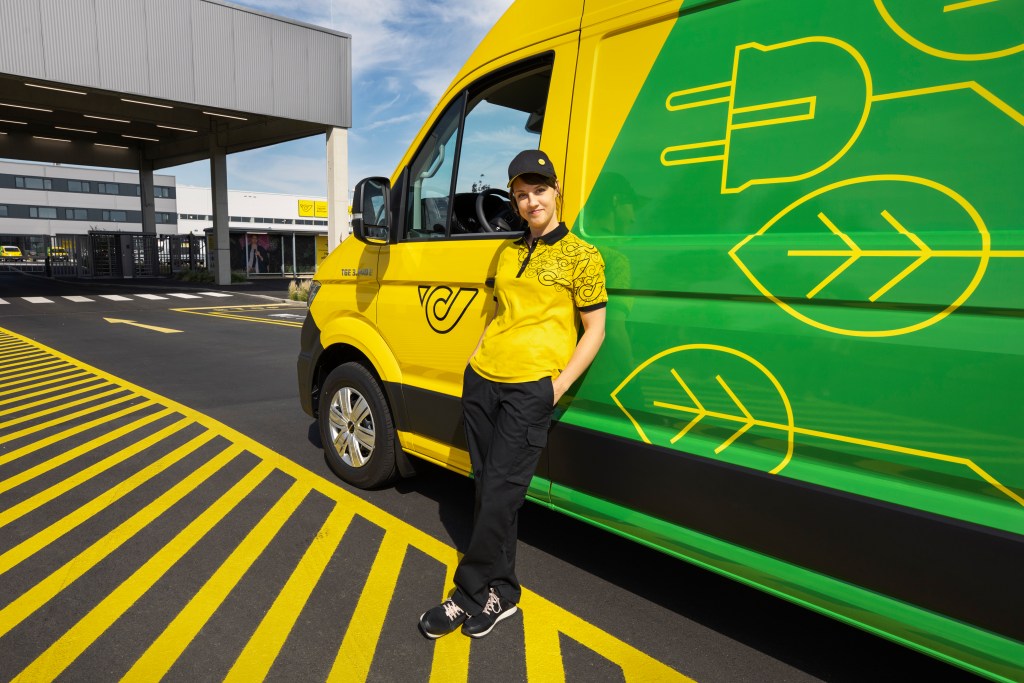
Despite Austrians receiving more and more parcels every year, by converting its fleet, Austrian Post AG is still managing to reduce its emissions.  Daniel-Sebastian Mühlbach, Head of CSR & Environmental Management, and Paul Janacek, Head of Group Vehicle Fleet at Austrian Post tell us how.
Ralf Mittermayr, CEO at Saubermacher AG, the most sustainable waste disposal company in the world (GRESB rating), discussed with Jürgen Spari, Regional Manager of GrECo Steiermark their zero-waste vision and what zero waste will mean for the insurance industry.
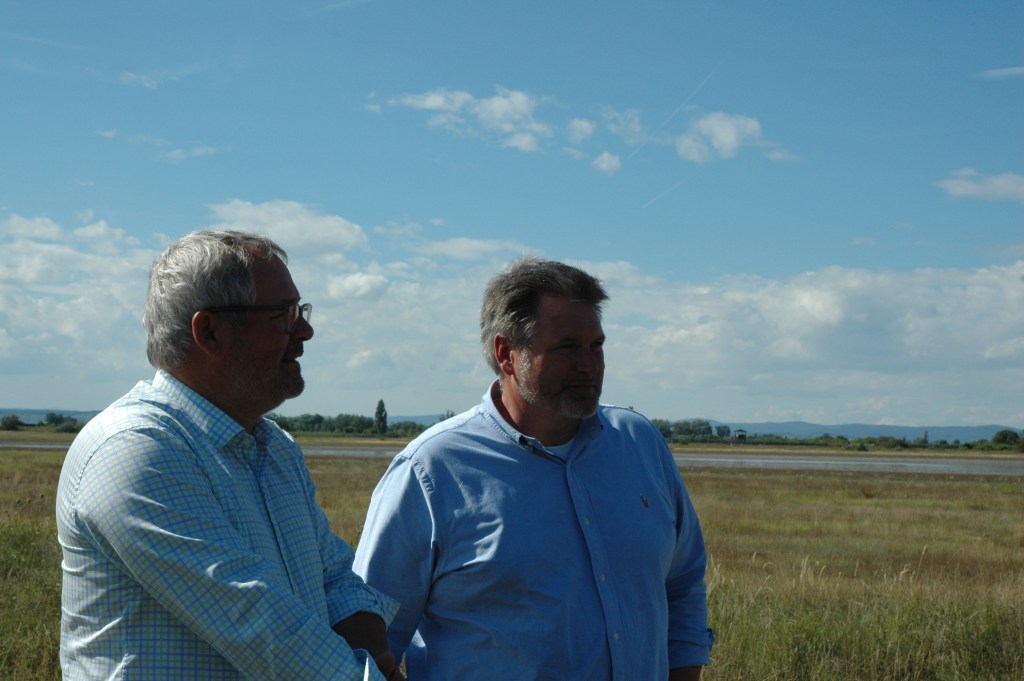
Times of climate change call for Johannes Ehrenfeldner, Director of Lake Neusiedl National Park, to address the restoration of biodiversity and ecosystems even more intensively.
Sabine Schellander, Co-Head of Sustainability at GREINER, describes why Greiner is sticking to a sustainable transformation process to create a circular company.
The analysis of natural disasters and climate risks is a new challenge for many companies.
Under the title “Environment in danger”, our upcoming HORIZON series concentrates on the ecological transformation and therefore looks at all its challenges from various angles.
Other crises, the climate crisis being a prominent example, are more likely to emerge as developments that gradually manifest themselves.
An effective risk management process is a basic requirement for tackling transformation risks.

Georg Winter

CEO GrECo Group

T +43 664 962 39 06