Ecological transformation and ecological risks

Ecological Transformation

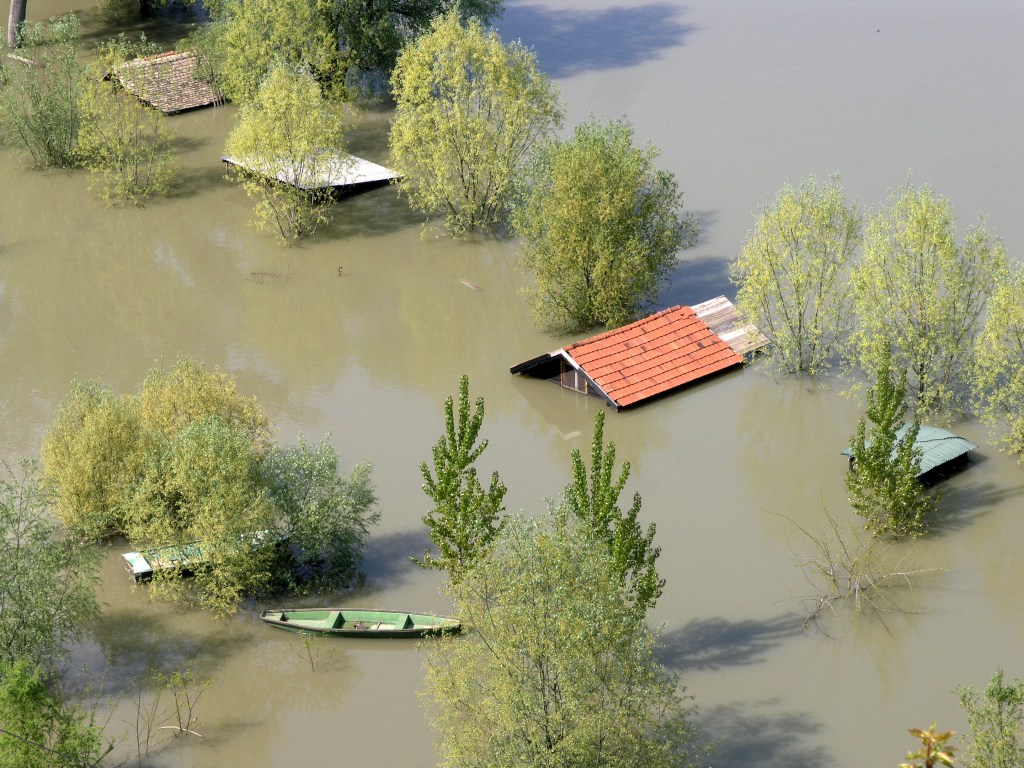
When we look at climate change, we refer to climate risks. They are apparent in form of a change or an increased exposure to natural disasters, such as floods, storms, and hail as well as heat, drought or a rising sea level. As far as companies are concerned, these risks can cause anything from material damage to disruptions of transport routes, energy, or raw material supplies.

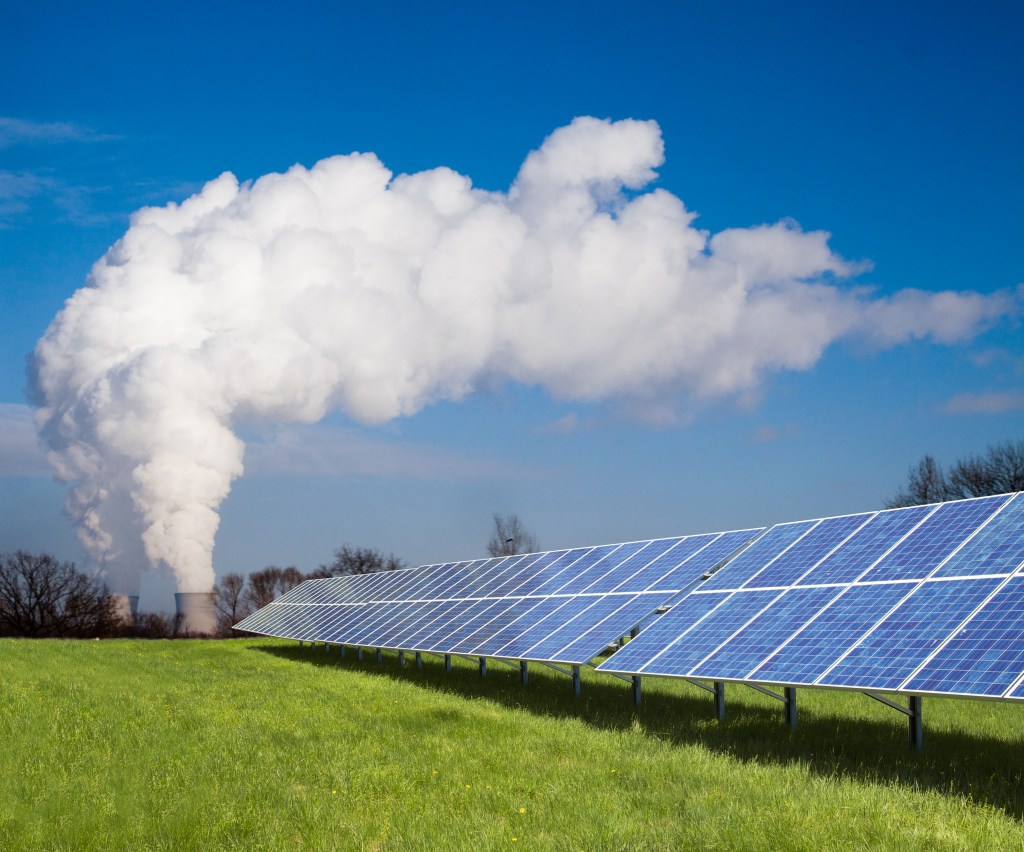
In the fight against climate change, many companies have decarbonised their processes or developed sustainable products. Saving resources and taking advantage of new opportunities are key focal points. However, new products and processes lead to new risks that must be identified at an early stage.

We are undergoing times of permanent change, which many refer to as systemic transformation or multiple crises strung together. This change takes place in different fields and segments. They, in turn, are interlinked at various levels. HORIZON’s risk-oriented approach aims to define and outline the key areas of change affecting your company. In doing so, we take a close look at the systemic influences of ecological, geopolitical, technological and social transformation on your company’s risk landscape.

Read what our risk expert had to share regarding the future of ecological risks in front of us.

Companies are exposed to various kinds of risks. At the same time, systemic transformation exacerbates existing risks and causes new risks to emerge.
Insurers are faced with a challenge during the energy transition. The past loss experience can no longer be used for predictive scenarios. New risks will emerge.
Comprehensive risk analyses combined with a presentation of the risks will be necessary for a successful renewal.
Amongst those most affected by decarbonisation efforts is the financial services industry, such as equity investors, lenders and insurers.
New modelling and technical tools are being utilised more than ever as insurers want to understand the complex technicalities of cargo risks.
 The insurance sector has adopted the ESG targets with every company developing an ESG strategy. The sector is particularly affected by climate change,
The prevention of damage from severe weather events will play an important role in future risk management.
The international shipping industry produced just over one billion tons of greenhouse gases (GHG) in 2018, almost 10% more than in 2012.
Environmental protection and measures curbing climate change have not lost their geopolitical and socio-political relevance during the pandemic.

Georg Winter

CEO GrECo Group

T +43 664 962 39 06