Ecological transformation and ecological risks

Ecological Transformation

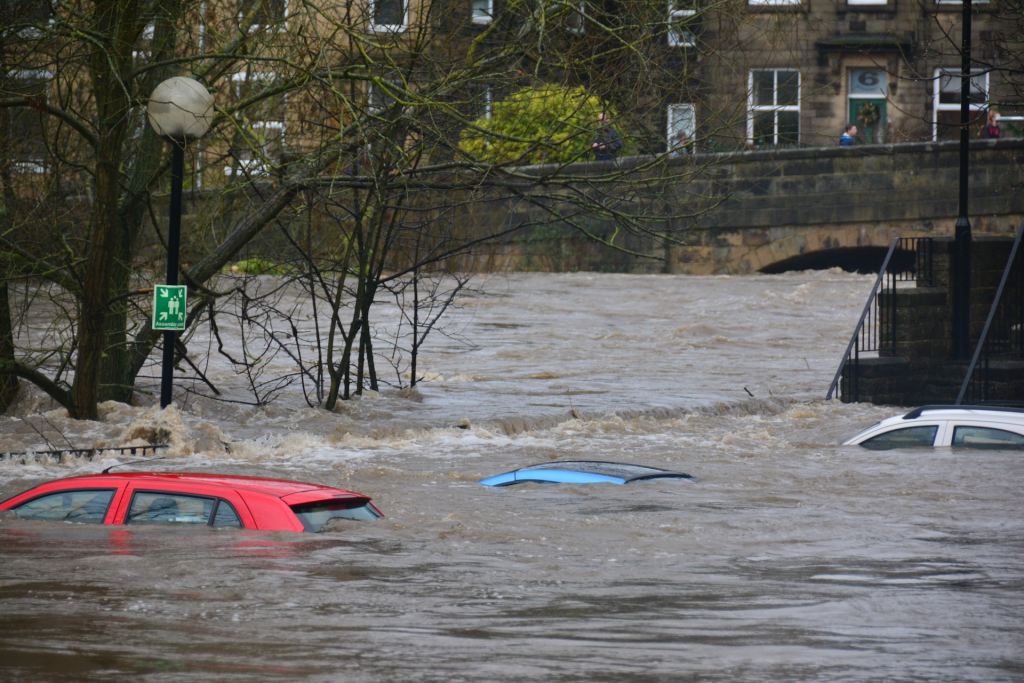
When we look at climate change, we refer to climate risks. They are apparent in form of a change or an increased exposure to natural disasters, such as floods, storms, and hail as well as heat, drought or a rising sea level. As far as companies are concerned, these risks can cause anything from material damage to disruptions of transport routes, energy, or raw material supplies.

In the fight against climate change, many companies have decarbonised their processes or developed sustainable products. Saving resources and taking advantage of new opportunities are key focal points. However, new products and processes lead to new risks that must be identified at an early stage.

We are undergoing times of permanent change, which many refer to as systemic transformation or multiple crises strung together. This change takes place in different fields and segments. They, in turn, are interlinked at various levels. HORIZON’s risk-oriented approach aims to define and outline the key areas of change affecting your company. In doing so, we take a close look at the systemic influences of ecological, geopolitical, technological and social transformation on your company’s risk landscape.

Read what our risk expert had to share regarding the future of ecological risks in front of us.

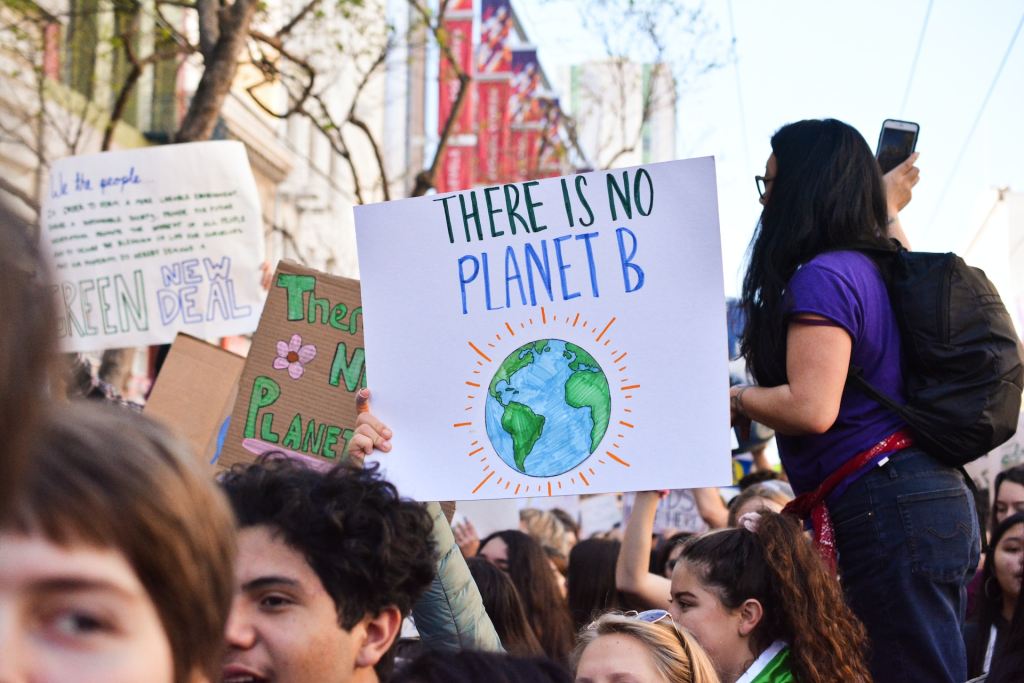
If you have followed the media recently, you are probably aware that the younger generation cares about the environment and their future, and that they are willing to go to the extreme to prove their point.  
A third of the younger generations believe climate change is the biggest threat of our time, and over half believe they don’t have the power to do anything about it.
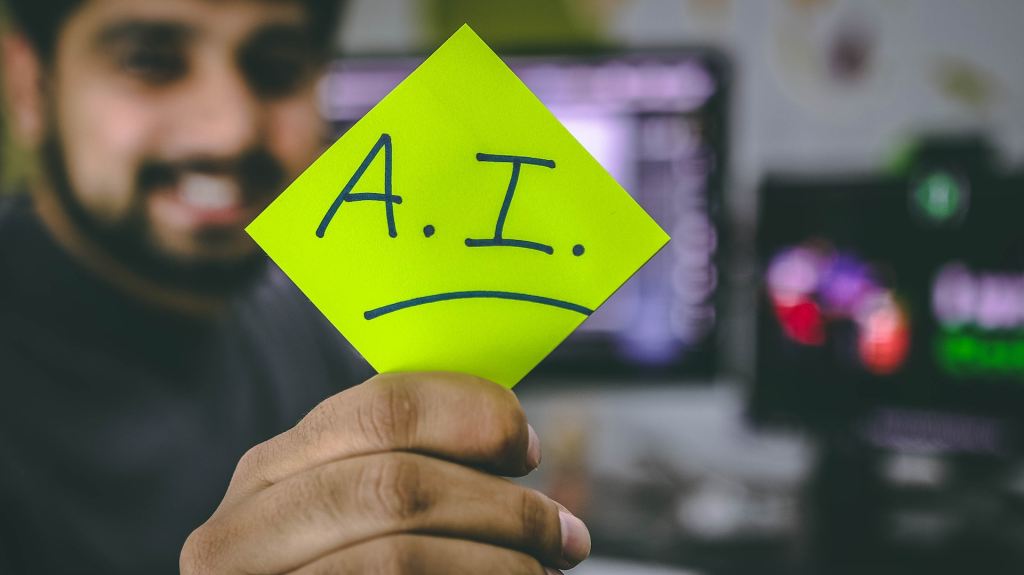
The United Nations has recently indicated that the youth of today have the most positive outlook on Artificial Intelligence (AI) with an astonishing 93.2% stating they feel positive about it
82% of Gen Z will buy a car with a combustion engine. 
62% of the younger generation believe being vegetarian is a good way to help save the environment.
Companies need to think through these topics on time and think them through strategically, so they can build up strategic competitive advantages
August 2023 saw horrific flooding in Slovenia as a month´s worth of rain fell in just 24 hours. We ask: How can politics help in such a crisis?
Small steps by every business and every individual today will make a huge impact on our environmental footprint in the long run. We should all be thinking of cleantech living and doing whatever we can to help reduce our environmental footprint.
Austrian Post has laid the right tracks for vehicle fleet sustainability in the haulage and logistics industry with its future-oriented strategy.

Georg Winter

CEO GrECo Group

T +43 664 962 39 06