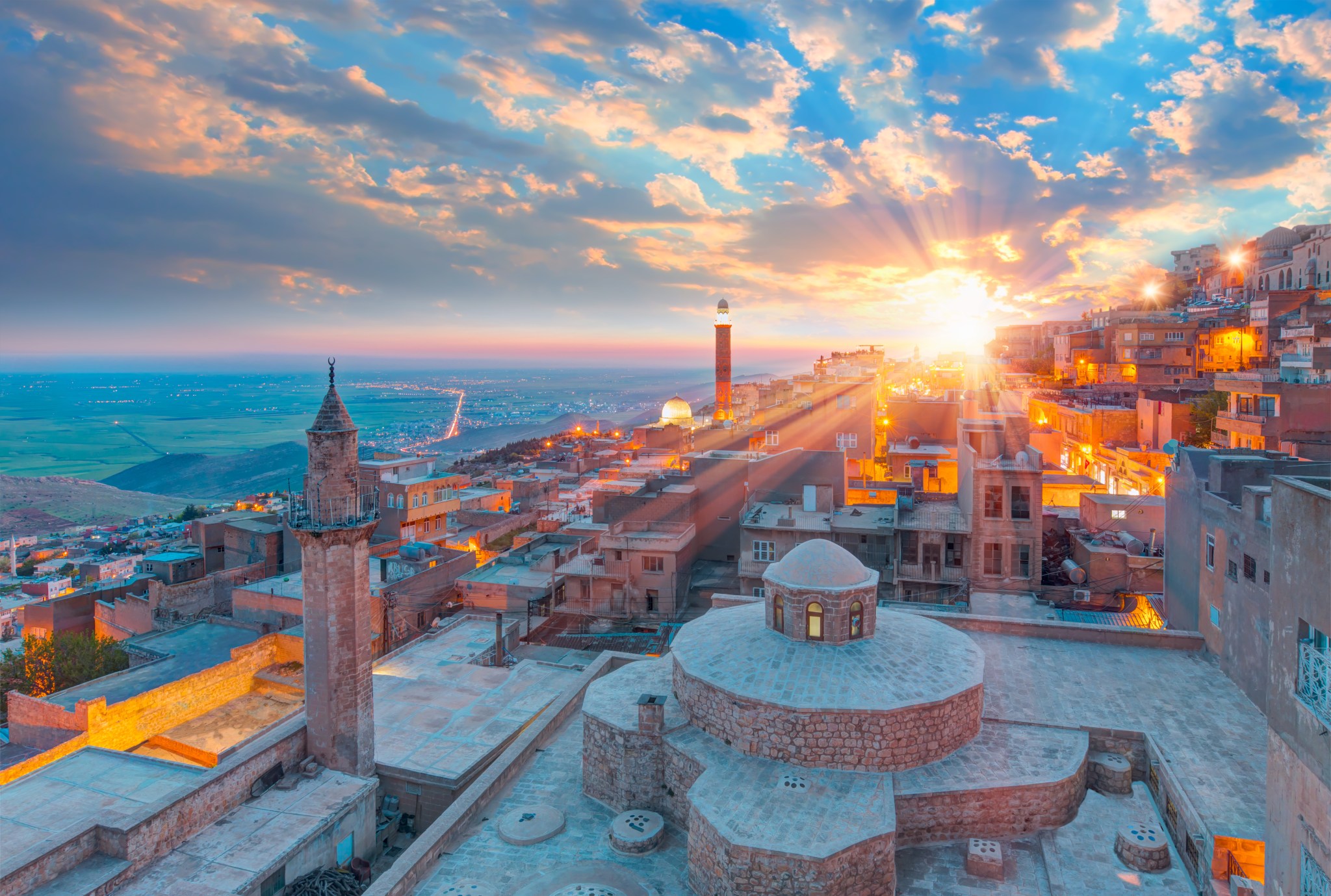
In this interview, Paul Johannes Spittau, Head of Group Carrier Relations & Insurance Mediation at GrECo International, converses with Burcak Alagok, General Manager at GrECo Turkey, shedding light on the myriad challenges Turkish companies are contending with in today’s complex global environment. From economic volatility and stringent regulatory changes to climate change and escalating cyber threats, Alagok discusses the multifaceted risks impacting businesses and the corresponding adaptations within the insurance industry.
Insights into Turkey’s Challenges
Spittau: We are navigating a period of global uncertainty and multiple crises. What specific trends and challenges are your clients navigating?
Alagok: Our clients are witnessing significant changes and challenges, especially economic volatility, characterised by periods of rapid growth followed by slowdowns. This is posing challenges for businesses in terms of financial planning, investment strategies, and maintaining profitability.
Additionally, the rapid digital transformation across industries is increasing clients’ exposure to cyber threats. Turkish companies must enhance cybersecurity measures and develop comprehensive cyber strategies to address the rising occurence of data breaches and cyber-attacks.
Economic hardships, including high inflation rates, have led to increased poverty levels and an overall climate of social instability. Businesses are facing higher costs for raw materials and imports due to the depreciation of the Turkish lira, leading to increased prices for goods and services. Inflation increases are also affecting tax liabilities and financial reporting, complicating compliance and strategic planning for businesses.
Regulatory Shifts: Customs and Tax Laws
Spittau: And, what about regulatory challenges?
Alagok: Companies are facing several regulatory challenges, including amendments to customs law that have reduced the allowed value limits and increased duties on business-to-consumer e-commerce shipments. New regulations mandate that 50% of the real estate income of investment funds and partnerships must be distributed as profit for corporate tax exemptions. Additionally, Turkey has introduced a domestic minimum corporate tax, stipulating that the calculated tax cannot be less than 10% of the corporate income before deductions and exemptions.
Shaping the Corporate Risk Landscape
Spittau: How are the current political, economic, and ecological conditions in your country shaping the corporate risk landscape, and what implications do these changes have for the insurance industry as a risk carrier for companies?
Alagok: The political environment in Turkey has been characterised by significant shifts in governance, with various periods of political instability. As Turkey pursues reforms and aims to align more with European Union Standards, regulatory changes will impact business operations.
Economically, Turkey’s trajectory is dominated by persistent inflationary pressures and a complex monetary policy landscape.
Ecologically, we are experiencing a rise in extreme weather events, such as wildfires, floods, and earthquakes, which are being exacerbated by climate change. These conditions result in more frequent and severe claims for insurers.
Mitigating Climate Change
Spittau: Turkey is susceptible to earthquakes, what measures have been taken by the Government to mitigate similar disasters in the future?
Alagok: Following the devastating earthquakes in 2020, 2023, and of course last year’s earthquake which rocked the South East of the country, Turkey is evolving its building codes and regulations. In a bid to mitigate the devastating impact of natural disasters, there are much stricter rules for new buildings which must be constructed with improved earthquake resilience standards to ensure they can withstand future seismic activities. The Ministry of Environment, Urbanization, and Climate Change is also focusing more on urban planning to reduce risks in high-risk areas, including Istanbul, where many buildings are at risk of collapse.
Furthermore, there’s a big focus on emergency preparedness. The government is enhancing disaster response training for emergency services to improve readiness and response times in the event of future earthquakes. And, there’s also efforts being made to educate the public on earthquake preparedness and safety measures to minimise casualties and damage.
Spittau: Which economic sectors or industries are anticipated to receive increased investments in the coming years, and how will this trend affect the risk industry?
Alagok: Several sectors are expected to receive increased investments, including renewable energy sources like solar, wind, and geothermal power. Investments in these sectors will grow significantly, driven by Turkey’s ambitious energy targets. The aquaculture sector also holds significant potential for growth.
And, as touched on earlier, Turkey’s evolving building codes and regulations will increase demand for insurance products that cover risks related to compliance, delays, and building standards. The government is investing heavily in this sector for obvious reasons.[
What Risks does the Future Hold?
Spittau: And finally, what risks do you predict will be trending in 2026 and beyond?
Alagok: I think there are three key areas – climate change, political and geopolitical tensions, and our aging population.
With climate change, the risk of earthquakes, floods, and other natural disasters will remain high, particularly in the earthquake prone regions. Shifting political landscapes, regional conflicts, and relations with neighboring countries could also potentially lead to uncertainty, affecting security, investments, and trade in the future. And last, but by no means least, as the Turkish population ages, there will be an increased burden on healthcare and pension systems, along with a potential shortage of skilled workers in certain sectors. Moreover, the aging population could also exacerbate the unemployment problem, as there may be fewer younger individuals entering the workforce to replace retirees, leading to labour shortages. This could further strain the economy, especially in industries reliant on a younger, more dynamic workforce.
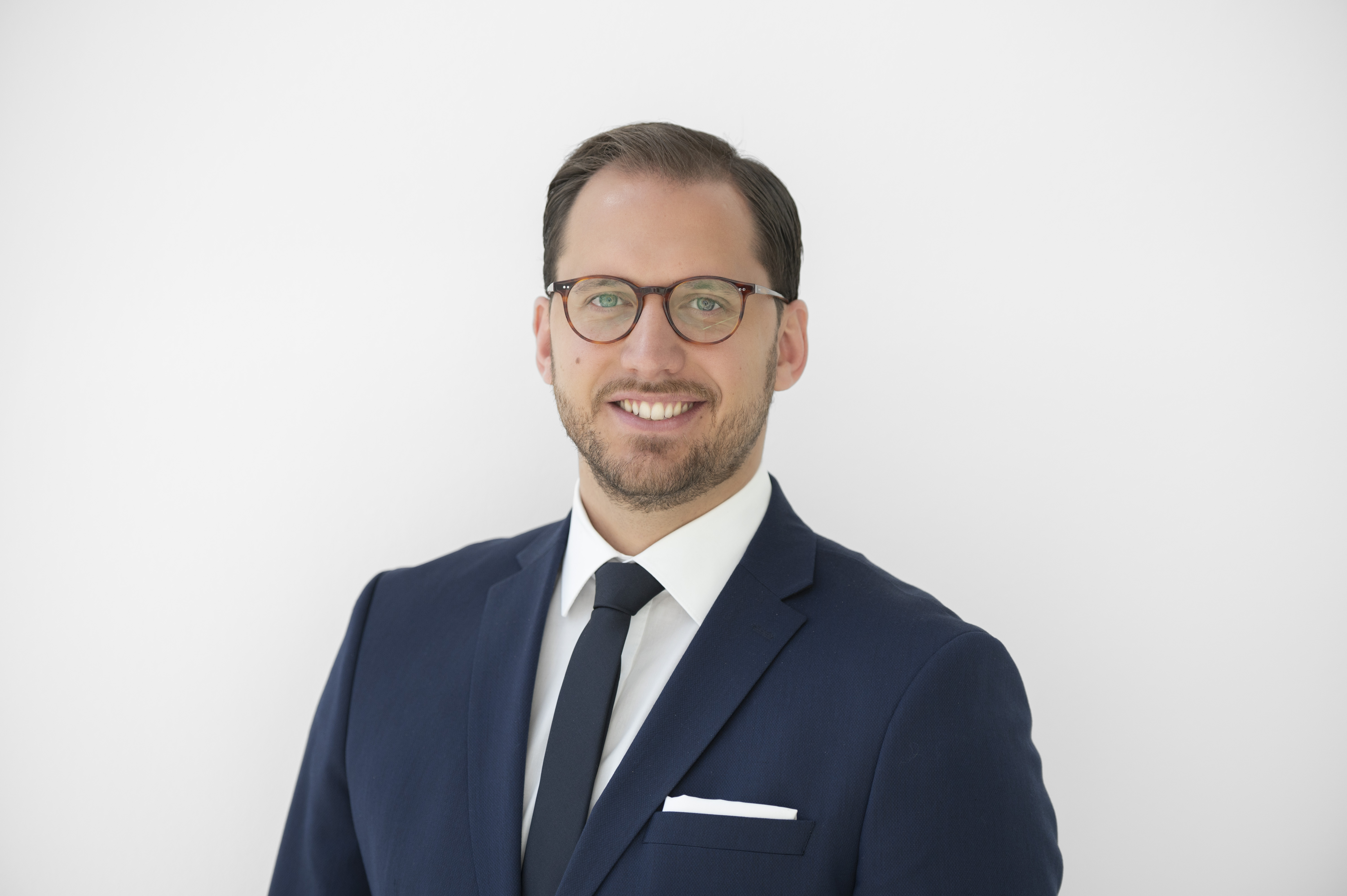
Paul Johannes Spittau
Head of Group Carrier Relations & Insurance Mediation
T +43 664 537 17 42
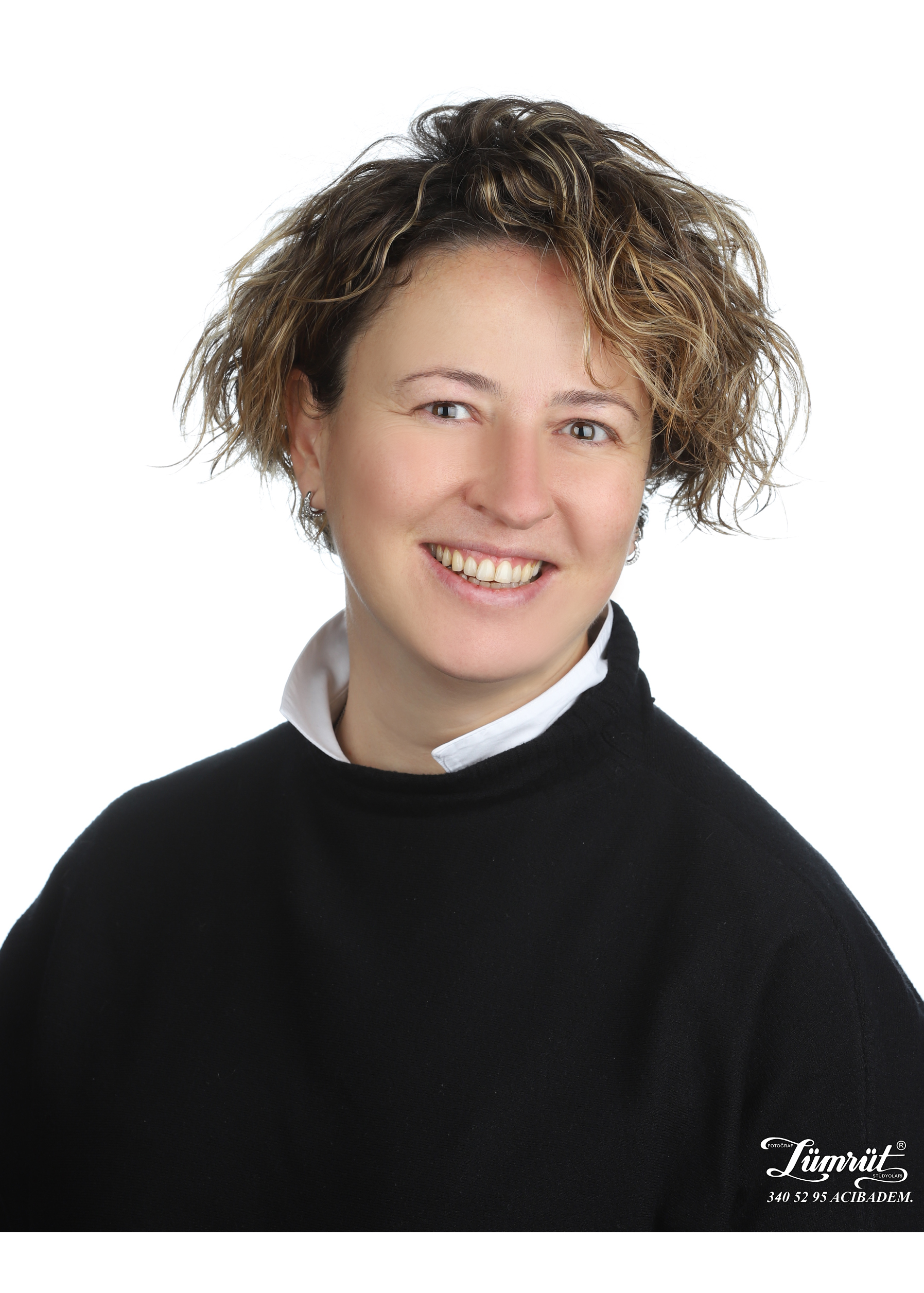
Burcak Alagok
General Manager
GrECo Turkey
T +90 216 468 30 01