Paul Spittau, Head of Group Carrier Relations & Insurance Mediation at GrECo International, recently caught up with Dušanka Talić, General Manager at GrECo Serbia, to explore the evolving risk landscape in Serbia. From geopolitical tensions to digital transformation, Dušanka shares insights into the challenges and opportunities shaping the future of insurance and risk management in the region.
Future Challenges and Opportunities
Spittau: The world is in flux, and we live in a time of global poly-crisis. What are the specific developments and challenges facing your clients today and in the next five years?
Talić: Serbia is navigating a complex mix of geopolitical uncertainty, environmental pressures, and demographic shifts. Our clients are particularly concerned about slow EU integration, regulatory volatility, and the energy transition. Reliance on coal and outdated infrastructure poses compliance risks, especially with upcoming EU carbon regulations. Additionally, high emigration rates are creating labour shortages, while digital transformation is exposing gaps in infrastructure and education. These factors collectively shape a risk environment that demands agility and forward-thinking strategies.
Spittau: How are the current political, economic, and ecological conditions in your country shaping the corporate risk landscape, and what implications do these changes have for the insurance industry as a risk carrier for companies?
Talić: The insurance industry is having to think on its feet to meet the multifaceted challenges presented by political, economic, and environmental shifts in Serbia. Politically, Serbia’s EU accession path is introducing regulatory shifts that are increasing compliance risks. Meanwhile, geopolitical instability is heightening the need for political risk insurance. Economically, inflation and foreign investment dependencies are calling for tailored financial risk products. And ecologically, climate-related hazards like floods and droughts are intensifying, especially in agriculture and infrastructure. This is driving demand for environmental risk coverage and liability insurance.
Economic Sectors Poised for Growth
Spittau: Which economic sectors or industries are anticipated to receive increased investments in the coming years, and how will this trend affect the risk industry?
Talić: Technology and IT are booming, and Serbia has become a hub for software development and AI. However, this has increased cybersecurity and data protection risks. Supported by EU funds, renewable energy is also starting to gain traction, which will increase the need for environmental liability coverage. Infrastructure development, especially through Chinese and EU-backed projects, is increasing the demand for construction and logistics insurance. Whilst, the automotive sector, particularly electric vehicles, has introduced new liability and supply chain risks. Agriculture and fintech are also growing, necessitating crop insurance and digital fraud protection. Each sector’s evolution brings unique risk profiles that insurers must address.
Regulatory Challenges in Serbia
Spittau: What regulatory challenges are companies facing?
Talić: Serbia is undergoing significant regulatory reform. The amended Law on e-invoicing and tax compliance rules has imposed strict obligations and penalties. Occupational health and safety laws now align with EU standards, which means updated risk assessments are required. Immigration reforms are streamlining work permits but demanding compliance with new procedures. Customs and excise changes are affecting transport and logistics, while new laws are simplifying imports for startups. These shifts increase administrative burdens and require companies to stay agile and informed to remain compliant.
Evolution of the Broker Market
Spittau: How is the insurance broker market evolving in your country?
Talić: The broker market has matured significantly since the early 2000s. Today, around 90 brokers operate in Serbia, playing a vital role in connecting clients with tailored insurance solutions. The market is becoming more competitive and specialised, with brokers increasingly focusing on niche areas and value-added services. This evolution reflects a growing awareness among clients of the importance of strategic risk management.
Spittau: How does GrECo’s approach in your country differ from local brokers, and what do you focus on when advising clients?
Talić: As a foreign-owned broker, we offer access to a broader range of insurance options and insights from more developed markets. Our specialty expertise allows us to align products precisely with client needs.
Managing High Emigration
Spittau: You mentioned high emmigration rates earlier, please can you tell us a bit more about the situation? What risks do businesses need to mitigate and how is Serbia addressing the issue?
Talić: Serbia is facing high emigration rates, especially among young, educated, and skilled workers, driven by the search for better job opportunities and living standards abroad. This trend has significant implications for the country’s labour market and economy.
To address this issue, Serbia is aligning educational programmes with the skills demanded by employers, improving youth employability, and investing in key sectors like technology, renewable energy, and infrastructure to create more attractive job opportunities.
Businesses need to mitigate risks related to labour shortages by investing in training and development programmes, exploring automation and digital transformation, and considering alternative labour sources such as immigrants and returnees.
By focusing on these areas, Serbia aims to reduce emigration and foster a more stable and prosperous future for its citizens.
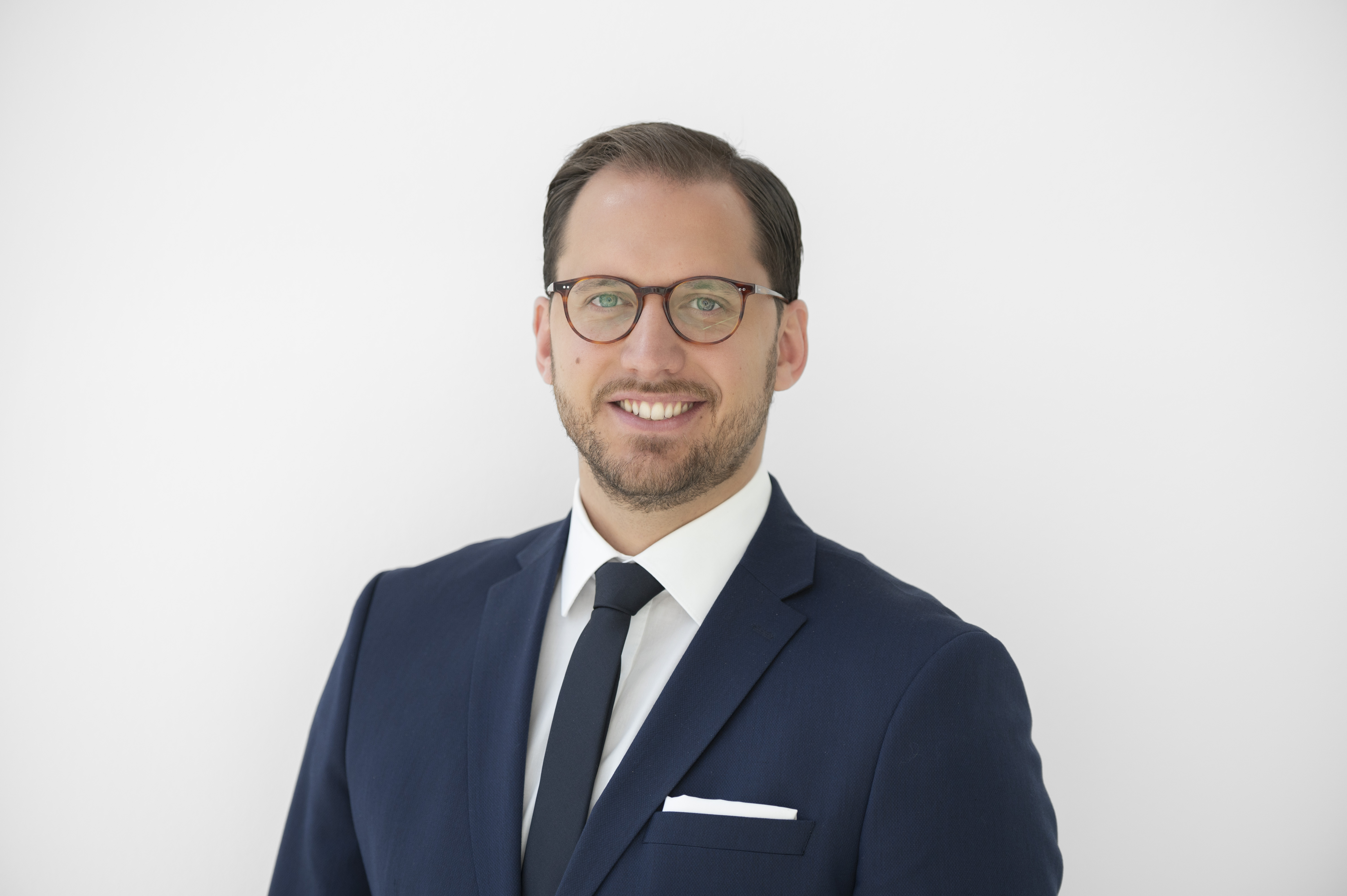
Paul Johannes Spittau
Head of Group Carrier Relations & Insurance Mediation
T +43 664 537 17 42

Dušanka Talić
General Manager
GrECo Serbia
T +381 11 4040 630