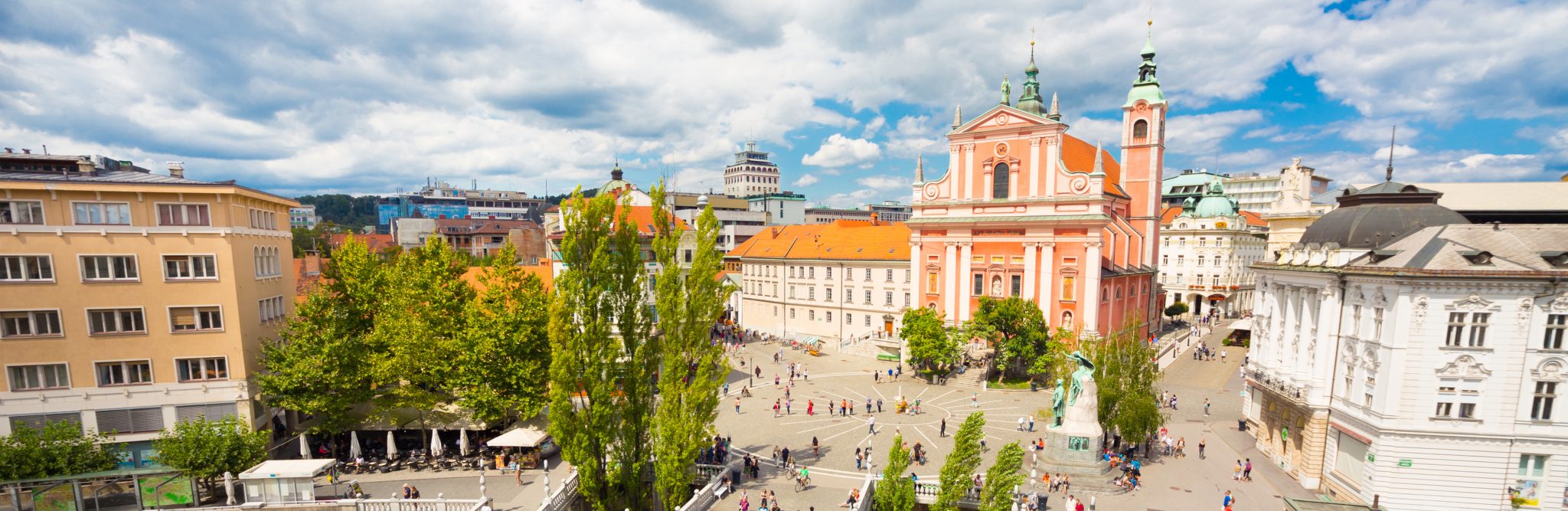
A recent conversation between Paul Johannes Spittau of GrECo Group and Damir Pelak of GrECo Slovenia explored how businesses in Slovenia are adapting to economic, environmental, and regulatory challenges. Their discussion highlights the evolving risks companies face and how the Slovenian insurance market is responding to these changes.
Spittau: The world is in flux, and we live in a time of global poly-crisis. What are the specific developments and challenges facing your clients today and in the next five years?
Pelak: Our clients are navigating a complex environment shaped by global instability and domestic pressures. Economically, Slovenia faces slowing productivity, inflation, and rising energy costs, while fiscal constraints may limit public investment. Demographic shifts, including an aging population and labour shortages, are putting pressure on healthcare and pension systems, prompting reforms and migration policy changes. Climate change poses serious risks, with increased flooding and droughts affecting infrastructure and agriculture. Businesses must adapt to stricter environmental regulations and invest in sustainable practices. Digitally, Slovenia has a strong infrastructure but lags in digital skills and SME adoption. Investments in AI and quantum technologies are growing, but workforce readiness remains uneven. Governance challenges persist, with low public trust and regulatory complexity creating uncertainty.
Future Investments and Their Impact on the Risk Industry
Spittau: Which economic sectors or industries are anticipated to receive increased investments in the coming years, and how will this trend affect the risk industry?
Pelak: According to recent reports from the European Investment Bank and other sources, several sectors are poised for growth. Significant public investment is planned under the EU’s Recovery and Resilience Plan (RRP), with over €150 million earmarked for modernising electrical grids and railway infrastructure. Green transition initiatives, including a gradual exit from coal, are driving energy-related investments. Pharmaceuticals and electronics are expected to benefit from global demand and Slovenia’s integration into Italian and Swiss production chains. Tourism is set to thrive, supported by ongoing infrastructure and cultural investments. Firms are increasingly investing in digital transformation and innovation, especially in manufacturing and services. Reconstruction efforts following the 2023 floods are fuelling growth in residential and non-residential construction. These trends will undoubtedly affect the risk industry, with insurers needing to adapt to the evolving landscape.
Environmental Lessons and Digital Public Participation
Spittau: As Europe hurtles towards meeting EU environmental targets by 2030, can you tell us about any significant environmental lessons learnt in 2024?
Pelak: In 2024, Slovenia was actively involved in a European-wide initiative focused on improving digital public participation in environmental matters. This was part of a broader effort led by Justice and Environment, a network of environmental law organisations, to address the shortcomings of traditional public engagement methods – especially in Environmental Impact Assessments (EIA) and Strategic Environmental Assessments (SEA). The shift to digital platforms for public consultation, accelerated by the pandemic, revealed both opportunities and challenges. Many citizens lacked access to or familiarity with digital platforms, and existing environmental regulations did not clearly mandate digital participation. Slovenia recognised the need to amend EIA and SEA directives to include explicit provisions for digital public participation, develop inclusive digital platforms accessible to all citizens, and promote transparency and trust in environmental decision-making through better digital infrastructure. These reforms aim to make environmental governance more democratic, responsive, and resilient in the face of future challenges such as climate change and energy transitions.
Regulatory Shifts Reshaping Slovenian Business
Spittau: What regulatory challenges are companies facing?
Pelak: There’s a raft of challenges having an impact. Tax law changes have limited corporate loss carry forwards and tightened VAT and transfer pricing rules. Labour reforms have introduced more flexible contracts but also stricter compliance for hiring and worker protections. Foreign direct investment rules now apply to branch offices and critical sectors, requiring mandatory notifications. New legislation for digital nomads and skilled foreign workers has raised documentation and income requirements for employers. Amendments to electronic identification laws under eIDAS 2.0 have introduced biometric ID standards and stricter penalties. Companies in forestry and land management face new obligations under the Forest Act, including data reporting and environmental compliance. And finally, reforms in public payment systems and invoicing require businesses working with government entities to adopt new digital protocols.
The evolution of insurance and broking in Slovenia
Spittau: How is the Slovenian insurance industry as a risk carrier for companies evolving?
Pelak: Corporate liability and environmental risk coverage have gained traction, and insurers have adapted products to limit cover to climate adaptation, supply chain disruptions, and cyber risks. Regulatory pressure has increased for insurers to align with EU taxonomy and sustainable finance disclosure. Additionally, the growth in e-commerce and mobile-first insurance platforms is transforming the industry.
Spittau: And what about the broker industry, how is that changing?
Pelak: The Slovenian insurance broker market is still in a developmental phase and is not as developed as in Western or Central European countries. Local corporate clients are still used to cooperating directly with insurers, although they may not have the knowledge or expertise to do proper risk transfer to insurance providers. The corporate portfolio handled by brokers is roughly 12%.
Differentiating GrECo from local brokers
Spittau: How does GrECo’s approach in your country differ from local brokers, and what do you focus on when advising clients?
Pelak: GrECo has made significant strides to become the market leader in Slovenia by acquiring the local broker Sipos. We are well known in the Slovenian market as specialised brokers and risk consultants. We act both as direct and reinsurance brokers, which gives us great power with clients as well as with our partners, local insurers. If a local insurer has a challenge holding 100% of the risk in their portfolio, we can support them with facultative reinsurance capacities. Our goal is to strengthen our leading position in the Slovenian market and become even more recognised as risk consultants.
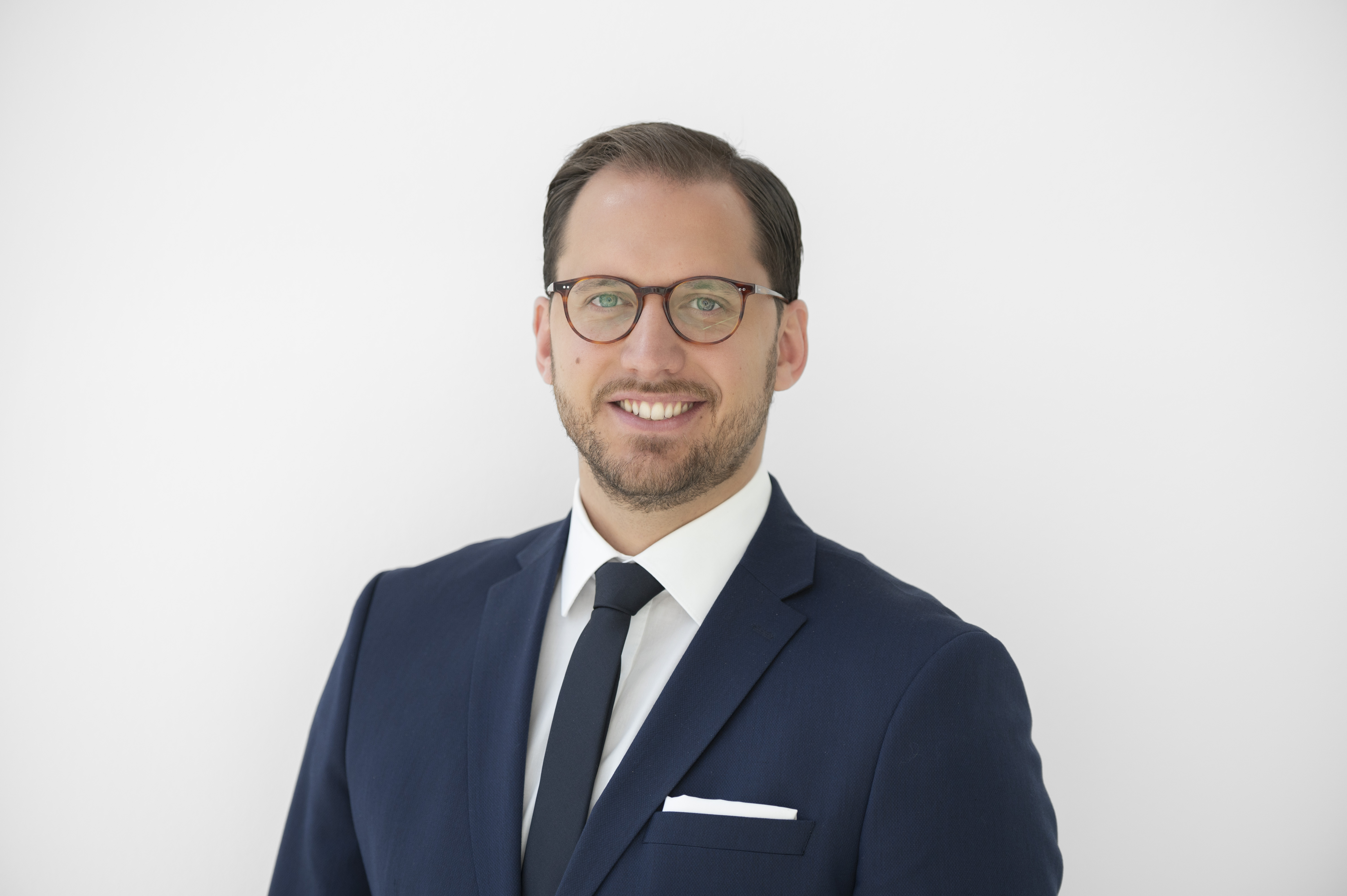
Paul Johannes Spittau
Head of Group Carrier Relations & Insurance Mediation
T +43 664 537 17 42
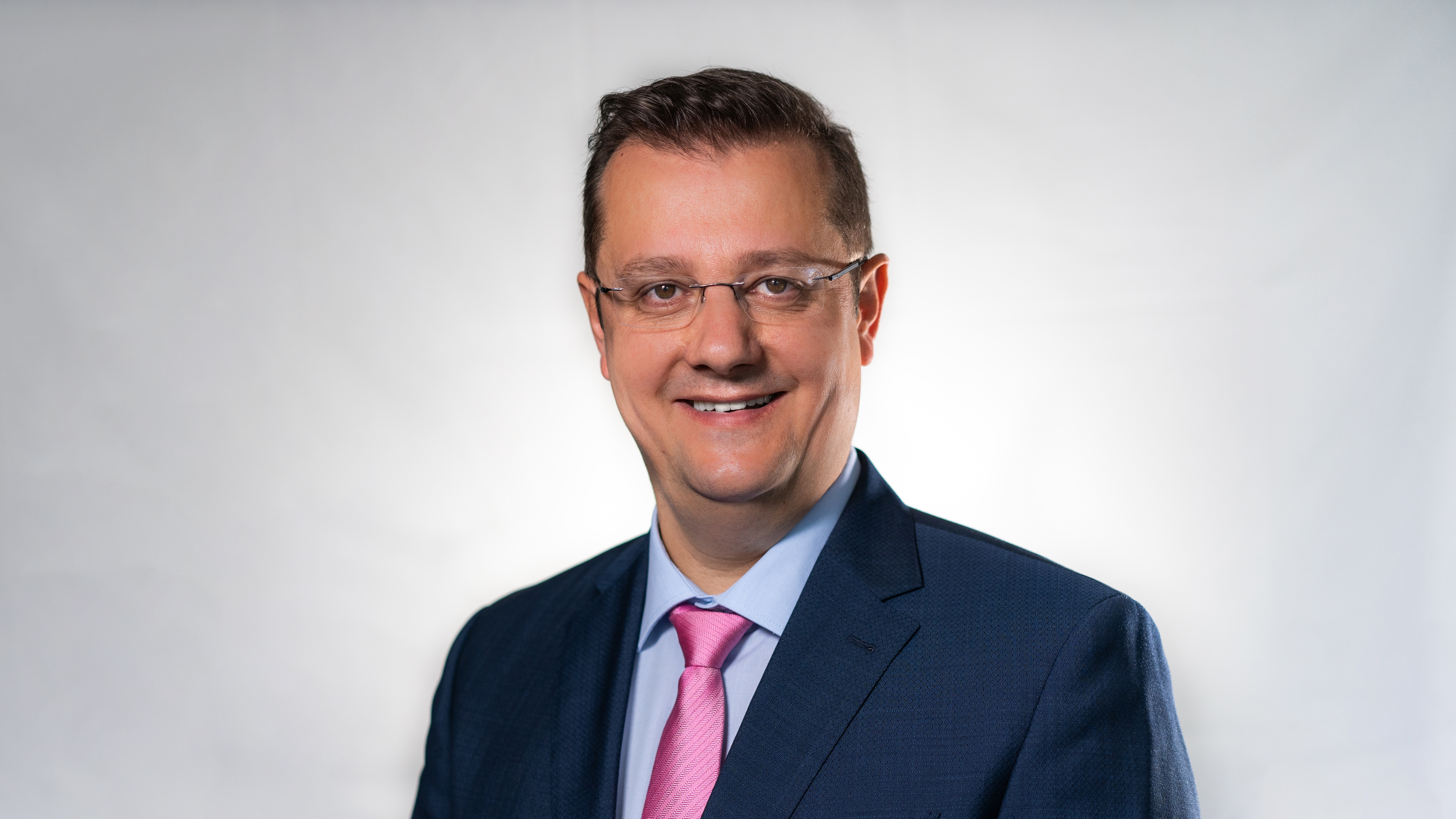
Damir Pelak
General Manager GrECo Slovenia
T+386 (0) 40 875 066