Erwin Soravia, CEO of SORAVIA, talks to Fritz Neubrand, Chairman of the Supervisory Board of the GrECo Group, about the property developer’s responsibility in terms of sustainability, and how innovation and technology can strengthen the industry’s climate resilience.
Neubrand: To master the challenges of ecological change, we need to forcibly bring about a profound transformation of many industries, with decarbonisation as a top priority. The property sector is one of the world’s biggest emitters of CO2 and is therefore a major driver of climate change. What strategic priorities and measures is SORAVIA taking to fulfil its responsibilities towards the environment and society?
Soravia: Sustainability has been firmly anchored in SORAVIA’s corporate DNA for more than 140 years. We are deeply convinced that acting sustainably not only benefits the environment, but also pays off economically in the long term, and so with all of our projects we are always very ambitious when it comes to sustainability. For example, we value old buildings and always do our best to preserve and carefully renovate them. We revitalise old factory buildings, or burnt-down historical gems – because it is sustainable, and because the historic charm cannot usually be replicated with new construction.
We don’t just renovate old buildings though. We create green living and recreational spaces by bridging existing motorways for modern urban developments, such as Triiiple, DANUBEFLATS, and TownTown. We are also developing neighbourhoods in which the essential infrastructure is within walking distance wherever possible to help reduce the number of cars on the roads; Our project Parkstadt Mülheim in Germany, which we are currently planning, is a great example of how we we aim to achieve this. And, whilst we are developing our buildings, we always have alternative energy concepts front of mind – our river water plant Rivergy on Vienna’s Danube Canal supplies 10,000 people with CO2-free energy, for example.
In addition to everything else I’ve mentioned, building affordable housing is a major concern for us. It is becoming increasingly important due to the current high level of inflation. Our subsidiary IFA AG alone has developed around 7,000 subsidised flats in recent decades. The IFA Sustainability Bond has officially been listed by the International Capital Market Association(ICMA) as a “Sustainable Bond”. To date, only a few bonds issued by Austrian companies have been included in this highly prestigious listing.
Inspired by nature: how termites are helping build the offices of tomorrow.
Neubrand: ROBIN Seestadt, one of your innovative and sustainable property projects, is inspired by nature. This office complex in aspern Seestadt which is designed not to release any CO2 emissions during system operation is a sustainability-lovers dream. Which of nature’s master builders have inspired its design, and how can an optimal indoor climate be created without heating or air conditioning?
Soravia: The ROBIN office buildings in Seestadt stand as a testament to sustainable innovation, drawing inspiration directly from nature. Mirroring the ingenious natural ventilation systems of termite mounds, these structures showcase a unique approach to climate control. Let me explain how it works.
The termites produce a lot of heat in the mound. The warm air escapes upwards and the resulting negative pressure creates a suction that draws in fresh air. As a result, the termite mound is always well ventilated, and the temperature inside remains constant. Similarly, ROBIN utilises the waste heat from people, lighting, and electronic devices for heating. The smart ventilation system uses sensor-controlled ventilation blades to regulate the temperature and CO2 content, ensuring a consistently pleasant room temperature and unfailingly high air quality. This means the companies based here will never see a bill for heating or air conditioning costs again! It really is very clever!
The offices aren’t quite finished yet. We launched the project in 2022 and they will be fully completed in summer 2024 so there’s still a chance for companies looking for sustainable office space to secure some at this visionary location.
A closer look at the environmental balance sheet for sustainable property developments.
Neubrand: In concrete terms what does this mean for the “environmental balance sheet” of ROBIN and for the costs of construction, operation, and maintenance?
Soravia: ROBIN produces zero CO2 emissions for heating and cooling during system operation and it is already ÖGNB Gold pre-certified and EU taxonomy compliant.
As far as construction costs are concerned, sustainability naturally has its price. We see it as an investment in the future, but one that can be well-controlled thanks to a high level of expertise and innovative capacity, and which has an immediate positive impact on lifecycle costs throughout property management process once it is completed.
ROBIN, for example, has excellent values for energy efficiency and lifecycle costs. By dispensing with the usual building services, there’s no need to plan, procure and maintain them; the smart software minimises the maintenance costs. Above all, ROBIN sets a new standard in efficiency, slashing operating and energy expenses to just half of those incurred by traditional buildings. While the industry norm for operating costs hovers around 4.00 EUR per square meter, ROBIN impressively maintains an average of merely 3.00 EUR per square meter. Furthermore, the typical energy cost of 3.00 EUR per square meter is entirely eliminated with ROBIN, thanks to its innovative design that negates the need for additional heating and cooling expenses.

Neubrand: The three ROBIN buildings are being constructed in aspern Seestadt, one of the largest urban development areas in Europe. What is it about the location which makes it so perfect for your buildings?
Soravia: aspern Seestadt offers a real-time insight into the future of modern urban district development. By the 2030s, high-quality living space for more than 25,000 people and over 20,000 modern training and workplaces will be created here. It is perfectly connected, planned for the future, diverse and open. Some of our first buyers, such as the private university Schloss Seeburg, are so convinced by the location and the plans for the area, that they bought off-plan, before the realisation of the buildings even began.
Managing changing risks brought about by new technology and innovation.
Neubrand: Adapting the SORAVIA business model to sustainability goals is also changing SORAVIA’s risk landscape. Be it through innovative construction concepts or simply the increased use of digital connections through smart services. What measures is SORAVIA taking in its company-wide risk management to anticipate and manage risks arising from these changes and innovations?
Soravia: As a property developer and investment manager, SORAVIA bears great responsibility towards society and the environment. Consideration of the most significant ESG risks in a company’s day-to-day business is essential for sustainable business success.
In the environmental sector, these include, for example, difficult access to the capital and investor market for non-sustainable property projects, high energy prices and the scarcity of fossil fuel resources, as well as sales problems with projects that are not sufficiently forward-thinking.
Our project development is at the forefront of innovation and sustainability. We are setting new standards with projects such as ROBIN and the Rivergy river water plant. In addition to managing our ESG risks, we are also becoming more attractive to and successful with our customers and investors.
Risk management and, as a sub-aspect of this, risk transfer, are generally a high priority at SORAVIA. Our in-house insurance broker IDM works closely with you at GrECo to favourably cover existing risks in the insurance market on the one hand, and to anticipate and manage emerging trends and risks in good time on the other. With regards to risk transfer, for example, major projects are covered on the insurance market using a defined catalogue of criteria based on risk-adequate wording.
Neubrand: Thank you very much for the fascinating insights into the world of SORAVIA. It is clear you are making a significant contribution to combating climate change and creating sustainable living spaces with ambitious sustainability goals and innovative solutions for the entire property development and its lifecycle. Others in the industry can, and should, learn a lot from you.
About Erwin Soravia
Erwin Soravia, an alumnus of Vienna University of Economics and Business with a degree in business administration, founded Soravia Bauträger GmbH in 1989 during his academic tenure. This venture marked the continuation of the esteemed SORAVIA family business legacy. As CEO of SORAVIA, he views his role as pivotal in shaping the living spaces within Austria and Germany. In 2020, he was a key founding member of the Austrian Project Developers Association (VÖPE). Leveraging his extensive experience and a deep personal commitment, Soravia actively champions sustainable practices in property development, investment, and construction.
About SORAVIA
SORAVIA is one of the leading real estate companies in Austria and Germany, with a realized project volume of over 7 billion euros.
With over 140 years of experience in the construction and real estate industry, the name Soravia stands for expertise and continuity. Today, SORAVIA offers 360-degree real estate competence, covering the entire life cycle of a property for its customers and investors. Its core business covers areas such as project development, investment and asset management, hospitality, and property and facility management.
Additional investments, such as numa and Ruby Hotels, as well as LOISIUM, complement the portfolio. With all of its holdings, SORAVIA employs about 4,210 employees.
For more information visit www.soravia.at.
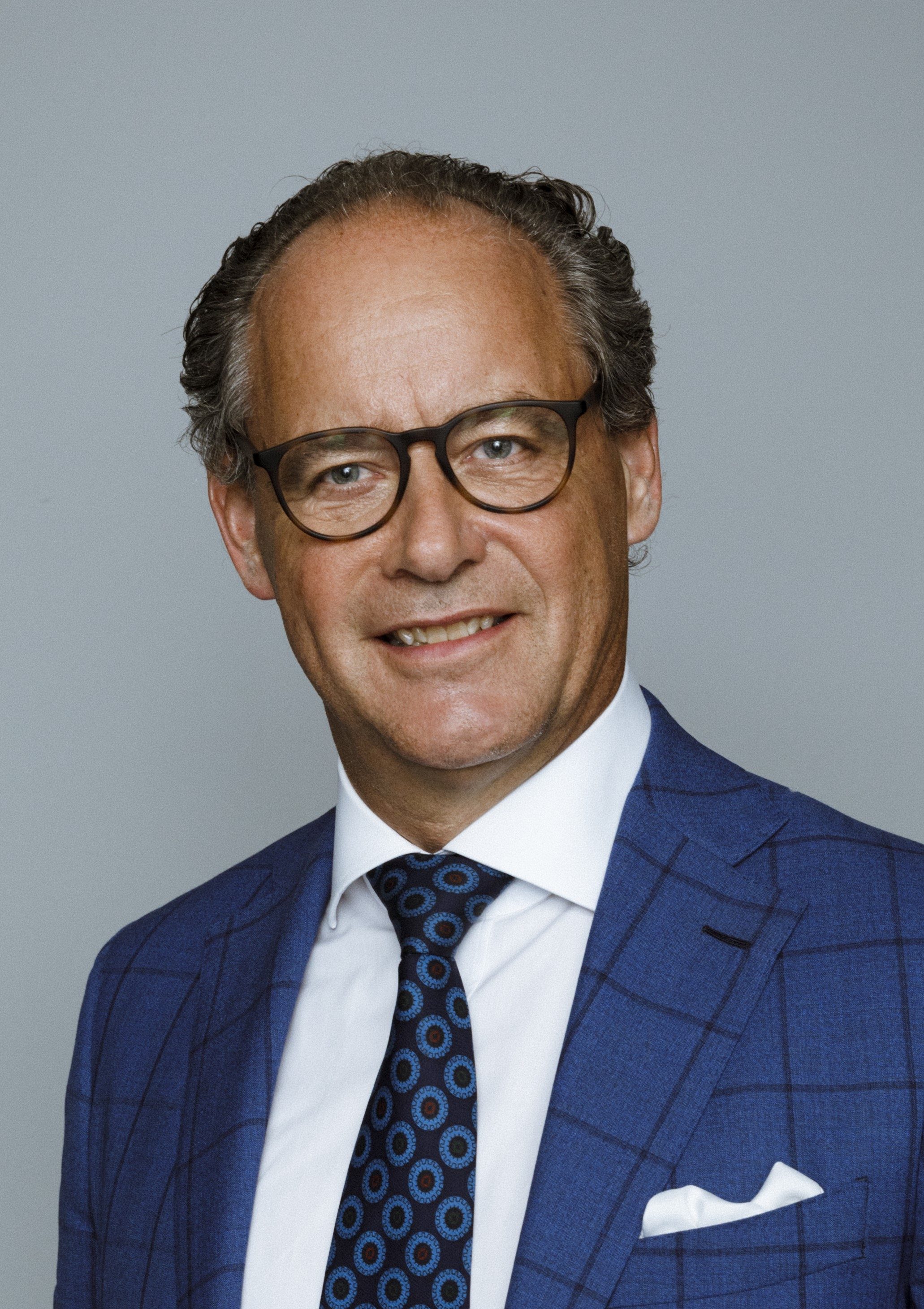
Erwin Soravia
CEO
SORAVIA
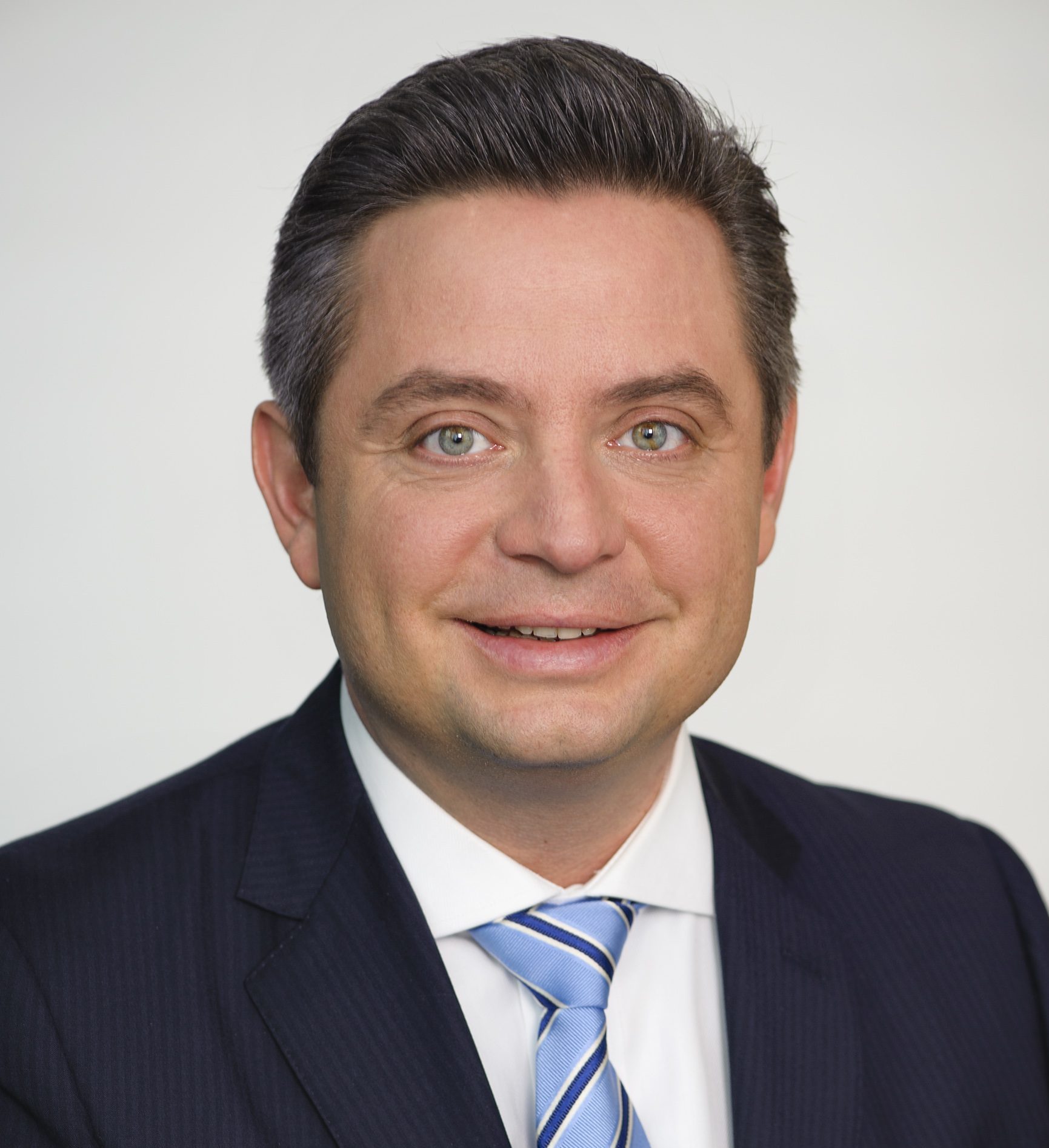
Fritz Neubrand
Chairman of the Supervisory Board
GrECo Group
T +43 664 394 88 04
Related articles
How Stability and Sectoral Growth Are Reshaping Argentina’s Corporate Risk
Argentina is experiencing economic reorientation, greater regulatory stability, and increased investment across sectors.
Jetzt vorbestellen: Health & Benefits Studie 2026
Jetzt vorbestellen: GrECo Unternehmensstudie zu Health & Benefits
Insured by Algorithms
The insurance industry is undergoing a profound transformation, driven by the rapid adoption of AI and predictive analytics.