In a world facing unprecedented global poly-crises, businesses must navigate challenges like financial and geopolitical uncertainty and regulatory shifts. Paul Johannes Spittau, Head of Group Carrier Relations & Insurance Mediation at GrECo Group discusses with Ilze Pāne-Brodsgarda, General Manager at GrECo Latvia, how Latvia’s corporate and insurance sectors are adapting to foster resilience.
Today’s Key Challenges
Spittau: What are the key challenges faced by businesses in Latvia, and how are the country’s conditions shaping corporate risks and the insurance industry’s role?
Pāne-Brodsgarda: Uncertainty around geopolitical tensions, economic instability, and environmental challenges are demanding business resilience and adaptability. Each comes with its own set of evolving risks including cyber threats, compliance with ever-changing regulatory frameworks, and in some cases supply chain disruptions.
For the insurance industry, this shifting risk environment necessitates the development of innovative solutions tailored to help businesses manage these challenges effectively, ensuring they remain robust in the face of uncertainty.
Sector-Specific Investments and Their Impact on the Risk Industry
Spittau: Which industries are expected to attract more investment, and how will this impact the risk industry?
Pāne-Brodsgarda: Key investment sectors include Information and communication technologies, bioeconomy, photonics, smart energy and the military industry. These industries are poised for significant growth due to their robust capacity for innovation and commitment to sustainable practices.
For the risk industry, this trend will necessitate a deeper understanding of emerging risks and the development of tailored insurance products to address the unique challenges faced by these sectors.
Navigating Ever-Developing Regulatory Challenges in Latvia
Spittau: What are the regulatory challenges for companies in Latvia and what do they need to do to adapt?
Pāne-Brodsgarda: Our regulatory environment is really dynamic and companies across the board are getting to grips with the changes. Compliance with these, particularly those related to data protection, environmental standards, and financial reporting, is posing the most significant challenge.
There are four major regulations in play at the moment. The first is the intensified enforcement of GDPR regulations which has led businesses to invest heavily in data protection measures to avoid significant fines. Secondly, there’s also the expanded NIS2 Directive which has introduced EU-wide cybersecurity standards for organisations in critical sectors, broadening the scope of industries required to adhere to these rules. These updated regulations mandate improved security measures and stricter standards for both physical and digital infrastructure. Thirdly, companies are being urged to invest in sustainable business models to address climate-related risks. And lastly, there’s new financial reporting requirements, including mandatory e-invoices for business-to-business (B2B) transactions.
Emerging Trends
Spittau: What new trends are emerging in the corporate world, and how are Latvian businesses responding?
Pāne-Brodsgarda: Two words: Digitalisation and sustainability. The country’s advanced digital infrastructure is driving businesses towards online operations, yet challenges remain in digital skills and cybersecurity. AI adoption in industries like manufacturing and insurance also highlights new liabilities and the need for AI-specific coverage under forthcoming EU regulations.
Re sustainability, climate adaptation investments are driven by public sentiment and national strategies like Latvia’s Climate Plan 2030. Renewable energy projects, compliance with EU ESG and CSRD regulations, and evolving insurance products are supporting growth while mitigating risks.
Spittau: What’s the current state of play in employee benefits and what are your predictions for 2026?
Pāne-Brodsgarda: Health insurance, one of the main products in employee benefits, is now a leading product in Latvia’s insurance market, accounting for 22.6% of total gross written premiums (GWP), with premiums reaching 180.6 million EUR – a 16.6% increase on the previous year. This growth was driven by employers increasingly offering health insurance to employees, particularly after the tax-exempt limit for employer-funded health policies was increased on 1 January 2024, along with rising service costs in medical institutions.
Looking ahead, health insurance is expected to remain an important component of employee benefits packages in 2026, aiding in the attraction and retention of talent in a competitive labour market.
Lessons Learnt from Cyberattacks
Spittau: Have there been any cyberattacks of note in Latvia recently and what was learnt from this event that could protect people and the economy in the future?
Pāne-Brodsgarda: In 2024, Latvia experienced a number of cyberattacks that disrupted several key industries. The attack led to widespread data breaches, business interruptions, and financial losses, highlighting vulnerabilities in Latvia’s cybersecurity infrastructure, such as inadequate cybersecurity protocols, lack of employee training on cyber threats, and insufficient investment in advanced security technologies.
In response, a new cybersecurity strategy was implemented to bolster cyber defence capabilities and resilience against future attacks, including investing in advanced security technologies, conducting regular risk assessments, and fostering greater collaboration between public and private sectors. Businesses have also increased their investment in cybersecurity measures. And there is a growing emphasis on employee training and awareness programmes to ensure staff are equipped to recognise and respond to cyber threats.
For businesses, the good news is that the numerous challenges mentioned can be mitigated by the insurance industry through protection or by minimising financial losses using insurance products and integrated solutions.
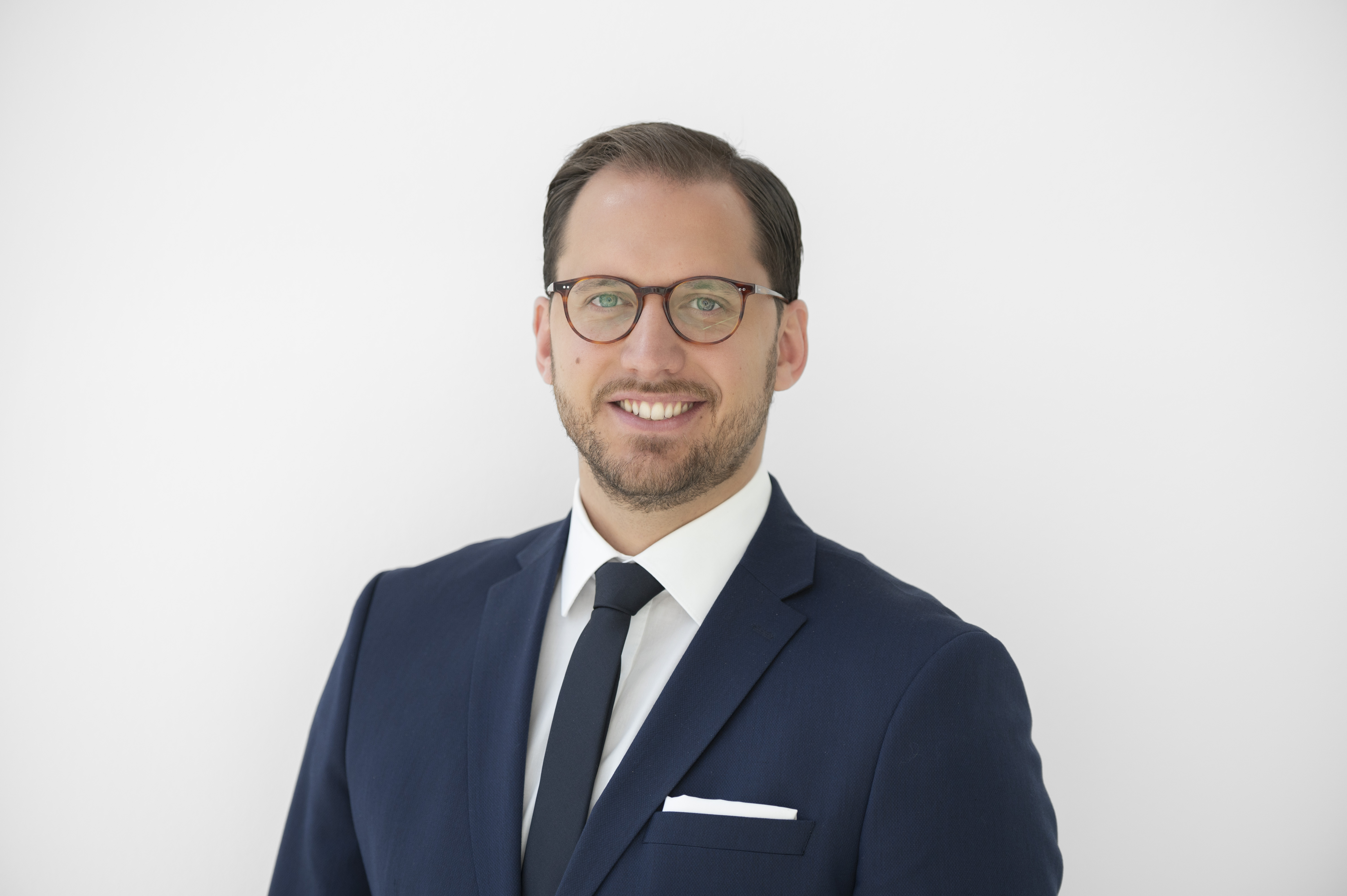
Paul Johannes Spittau
Head of Group Carrier Relations & Insurance Mediation
T +43 664 537 17 42

Ilze Pāne – Brodsgarda
General Manager
GrECo Latvia
T +371 29444664