Paul Johannes Spittau, Head of Group Carrier Relations & Insurance Mediation at GrECo International, and Hristo Charkov, General Manager of GrECo Bulgaria, discuss the risks businesses in Bulgaria face today and in the future. They cover geopolitical instability, climate change, and digital transformation, focusing on how these issues will influence corporate strategies and the insurance industry in the coming years.
Spittau: The world is in flux, and we live in a time of global poly-crisis. What are the specific developments and challenges facing Bulgarian businesses today and in the next five years?
Charkov: There’s a myriad of challenges: geopolitical instability, climate change, and technological disruptions are the main ones. The ongoing conflict in Ukraine is impacting energy supplies and creating volatility in the region. Additionally, climate-related risks such as extreme weather events and droughts are becoming more pronounced, particularly affecting sectors like agriculture and construction. Over the next five years, we anticipate that these challenges will persist, requiring businesses to adapt and innovate to mitigate risks effectively.
Impact of Domestic Conditions on Corporate Risk
Spittau: How are the current domestic political, economic, and ecological conditions shaping the corporate risk landscape, and what implications do these changes have for the insurance industry as a risk carrier for companies?
Charkov: The political environment in Bulgaria has seen some stability recently, but concerns over governance and judicial independence remain. Economically, the country is recovering from the pandemic-induced slowdown, with modest growth forecasted. However, the reliance on external energy sources and inflationary pressures continue to pose risks. Ecologically, Bulgaria is making gradual progress towards sustainable energy policies, but the transition is slow. Furthermore, as businesses increasingly rely on digital infrastructure, technological disruptions are also a major concern, as are rising cyber threats. The knock-on-effect on the corporate risk landscape is increased regulatory complexity and operational risks. For the insurance industry, this means a greater focus on environmental liabilities, cyber risks, and compliance with EU regulations.
Future Investment Trends and Their Implications
Spittau: Which economic sectors or industries are anticipated to receive increased investments in the coming years, and how will this trend affect the risk industry?
Charkov: Renewable energy, digital transformation, and agriculture are the hot areas for investment right now. The push towards greener energy sources is driven by EU incentives and Bulgaria’s commitment to reducing carbon emissions. Meanwhile, digital transformation is resulting in a lot of investments in cloud computing, AI, and fintech, and agriculture is seeing modernisation efforts with precision farming and food processing. All in all the risk industry is effected by these trends necessitating tailored coverage for new technological threats, compliance risks, and climate-related risks.
Regulatory Challenges Faced by Companies
Spittau: What regulatory challenges are companies facing?
Charkov: Companies in Bulgaria are grappling with several regulatory challenges, including tax regulations, corporate governance, and labour market reforms. The EU’s anti-money laundering directives have prompted more detailed internal auditing and financial transparency. Additionally, the labour shortage has led to more flexible labour laws to attract foreign talent, particularly in IT and engineering sectors. Compliance with these regulations remains a significant challenge for businesses.
Evolution of the Market
Spittau: How is the insurance broker market evolving in Bulgaria?
Charkov: The insurance broker market in Bulgaria is characterised by increasing digitalization and specialisation. Brokers are investing in insurtech to streamline the buying process and provide more personalized solutions. There is also a shift towards offering risk management services, not just acting as intermediaries between insurers and clients. This trend is particularly prominent in sectors like cyber insurance and construction.
GrECo’s Unique Approach and Client Focus
Spittau: How does GrECo’s approach in your country differ from local brokers, and what do you focus on when advising clients?
Charkov: GrECo’s approach is distinguished by its international network and expertise, specialised industry solutions, comprehensive risk management services, proactive claims management, and technology integration. Unlike other local brokers, we offer tailored risk management strategies that cater to multinational operations, particularly for businesses with cross-border needs. Our focus is wholeheartedly on delivering specialised insurance products for sectors like manufacturing, construction, transportation, and technology. Additionally, we provide proactive consultancy services, such as risk audits and training programmes, to minimise the total cost of risk. Our claims management team ensures efficient and effective processing of claims, helping clients navigate complex situations. We also leverage cutting-edge technology to enhance our offerings, using data analytics and digital platforms to create more efficient and transparent solutions.
Lesson’s Learnt from Significant Events
Spittau: Were there any major events in 2024 that you can talk about? What lessons were learnt from the incident which could help protect people and the economy from something similar in the future?
Charkov: In 2024, Bulgaria faced a significant cyberattack on several government and private sector websites, causing disruption to public services. This event highlighted the vulnerability of critical infrastructure to digital threats. As a result, Bulgaria is investing in robust cybersecurity measures and developing comprehensive incident response plans. These steps are crucial in protecting both people and the economy from similar events in the future.
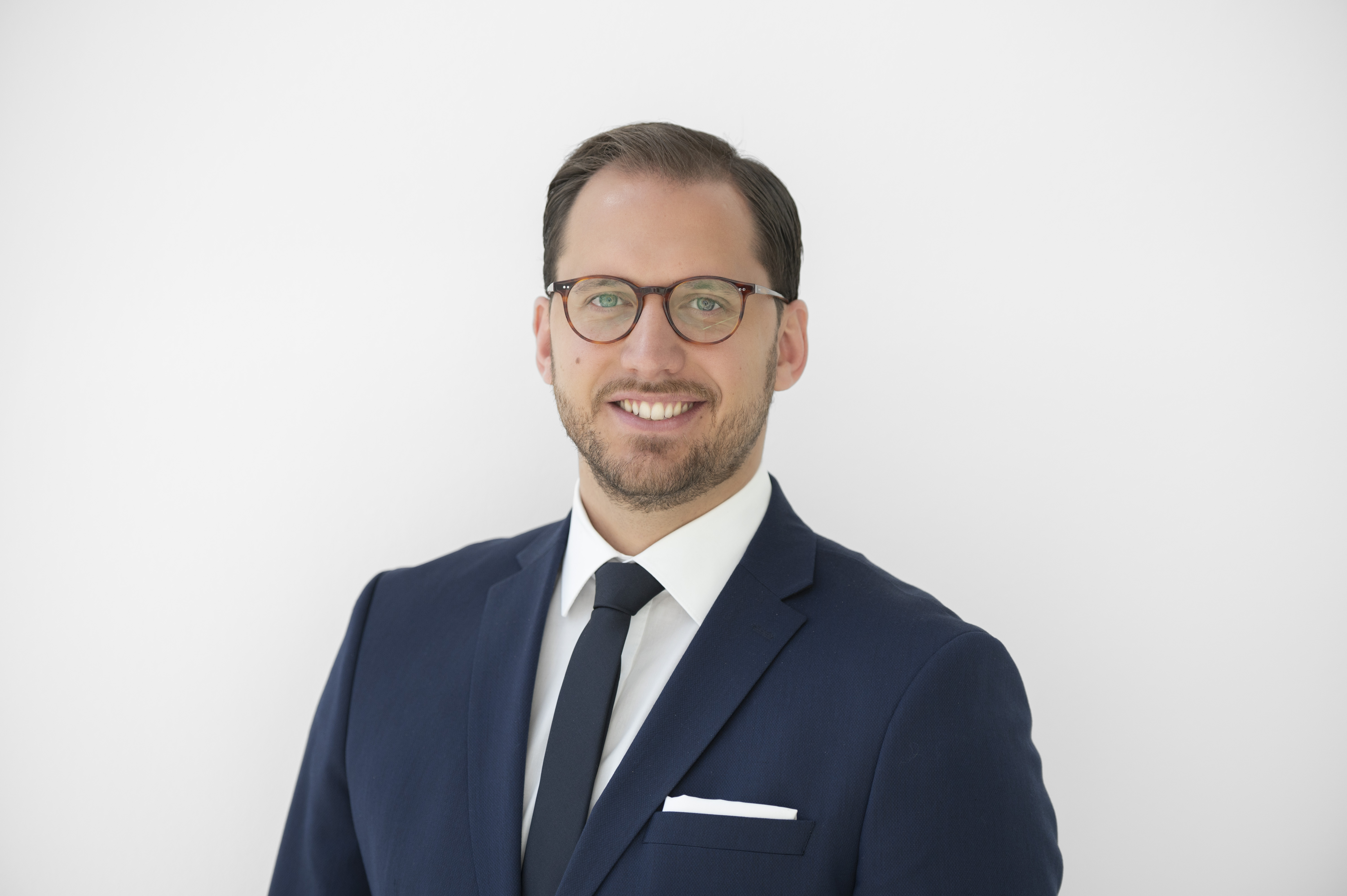
Paul Johannes Spittau
Head of Group Carrier Relations & Insurance Mediation
T +43 664 537 17 42

Hristo Charkov
General Manager
GrECo Bulgaria
T +359 888 810 100