

As a business performance consultant, my job is to dig much deeper than the perceived challenges I am initially made aware of.
Towards the beginning of the year, my wife and I were visiting India and took a three-day excursion to glorious Nepal. On the first morning we were picked up at a chilly 4am in an old jeep at our hotel in Kathmandu and drove up and up for three hours until reaching a 2,200-metre viewing peak in complete darkness.
As we paced around to keep warm with only our phone providing any light, we suddenly slowed our pace and began to be drawn by the soft glow emanating across the horizon until, within just a few minutes, the Himalayan mountains awoke with the celestial orange background and, after many years of waiting, I was finally introduced to Mount Everest, like a child politely meeting a delightful old gentleman.
Not only was this captured moment an emotional one, but it was also like this wise old mountain was talking to back me, reminding me of all my professional and personal endeavours in my life.
As I stared, transfixed by this majestic sight, my mind drifted to all those proverbial “Mount Everests” I indeed, tried to climb in my personal and professional life knowing from the start that:
A. I wouldn’t be able to climb them
B. I definitely wouldn’t enjoy the experience trying!
As we descended back to the hotel, I reflected on many professionals that I have coached and trained over the years who, themselves, tried to climb their own Mount Everest rather than choosing a challenging mountain that they could actually climb (and enjoy doing so of course!)
As a business performance consultant, my job is to dig much deeper than the perceived challenges I am initially made aware of. Despite already exhausting the Mount Everest analogy, I want to share how people’s distracted goals and focus can be one of the biggest disruptors to business due to too many people tackling the wrong tasks with the wrong people.
Time & Diversity – The Critical Factors
So, moving from the grand Himalayan Mountains, closer to home. Over the past couple of years, I have dived deeper and deeper into the intricacies and psychologies of organisations and can share some interesting and even provocative discoveries.
We Are Best at What We Love Doing Most!
So, let’s start with TIME. Within a fast-moving digital and AI seduced world, we would think that time would be less of an issue but, in reality, the opposite is occurring.
In 2025 I wrote my fourth book entitled “The Power of Authentic Diversity in the Workplace” which followed extensive research, interviews and experiences into opportunities of diversity but, also the damaging consequences of poor or weak diversity in the workplace.
Placing the wrong people in the wrong jobs was pretty much, top of the list as I pursued so many Managers and professionals continually back-tracking, moving sidewards and creating frustration due to the inefficiencies that an incomplete, non-diverse team dynamic creates. In one particular case with a large brand name organisation’s sales team, I discovered through my Time & Motion study model, that they were spending, on average just 28% of their time in pure selling activities (doing what they are supposed to be doing and what they are best at!)
Using a football analogy this time, it’s like having your top strikers playing in defence. They will not score many goals and will also disrupt the cohesion of the defensive team at the same time. When I did more of that proverbial digging, I uncovered another key factor.
Is It Really Unconscious Bias?
So many teams in business I witness have the same DNA, the same dynamic, the same style and so on and so on. “Sounds Good”, many would say, having such an apparently, ‘united’ team, yes?
I will be a little controversial if I may and say that this unconscious bias phenomenon creates, I feel, more of an excuse than a reason for poor team dynamics. Please allow me to briefly elaborate. I do believe that those final decisions on recruitment are made consciously by many Managers deliberately looking for someone that they can work with and get on well with which, ultimately leads to yet another version of themselves (basically, the easier option than adapting and accommodating a group of too differing types).
It’s a little bit like having a team of just Colins! – What a challenge that would be. Entertaining days but nothing much else.
This thickly layered DNA in departments also exaggerates the mild or even strong prejudice that can occur even when some individuals are not part of the proverbial ‘circle’. I particularly found this challenging in my research, commonly with, for example, single-mothers or those from a less-fortunate background but also from other more common diverse areas such as age, gender, etc. The conversations I had were deeply honest and will have had a lasting effect on me.
I Really Hate That Golden Rule!
I will unashamedly, apologise at this stage, for mentioning my second book which was called ‘The Art of Business Adaptability’ because it was inspired by the need of diversity in communications, management, and project dynamics. I based it against the concept of the wrongly titled ‘Golden Rule’ that is “Treat people the way you like to be treated” which, in my view was one of the worst pieces of advice in human history.
Diversity is the buzz word in the workplace. Prejudice is the word everyone hides, yet it is there. Recognising an individual’s personality, priorities, style, cultural preferences and background is the greatest skill anyone can possess in life and business. It nicely guides to throwing that golden rule stuff in the garbage and switching to “Treat people the way THEY want to be treated!”
So, What Is the Message Here?
Good question, and before I conclude, I should say a quick word in support of those middle-managers that may be feeling responsible in my aforementioned observations. Certainly not my friends. Again, through my work, I have discovered another phenomenon that I kindly call “The Maradona Syndrome”.
Allow me to explain. Diego Maradona was, arguably, one of the greatest footballers ever and then they made him a Manager without providing him with the necessary coaching, training and mentoring to move into this new role. In business, I see a lot of Maradona’s. Those talented individuals who have excelled and, rightly so, become the top choice on merit for that Manager’s job. You can guess where the comparison with the great man fits here.
In Conclusion
An authentic workplace and team diversity of mind, creativity, passion, logic and ideas is what we need, not just a check-box exercise. Look at your teams through a different lens and see how focusing on that uniqueness in a person can bring joy to the business and people once again in this over-distracting world we now live in.
About Colin Lovering
Colin Lovering, based in Bucharest for over 15 years, has more than 35 years of international sales and management experience and has trained professionals worldwide. He is the author of four business books, a certified leadership coach, and regularly hosts business events in Romania and the UK. Colin leads Lovering & Partners, a consultancy specializing in business and people performance. He has twice served as President of the British Romanian Chamber of Commerce and lectures at executive MBA programs and the University of Bucharest.
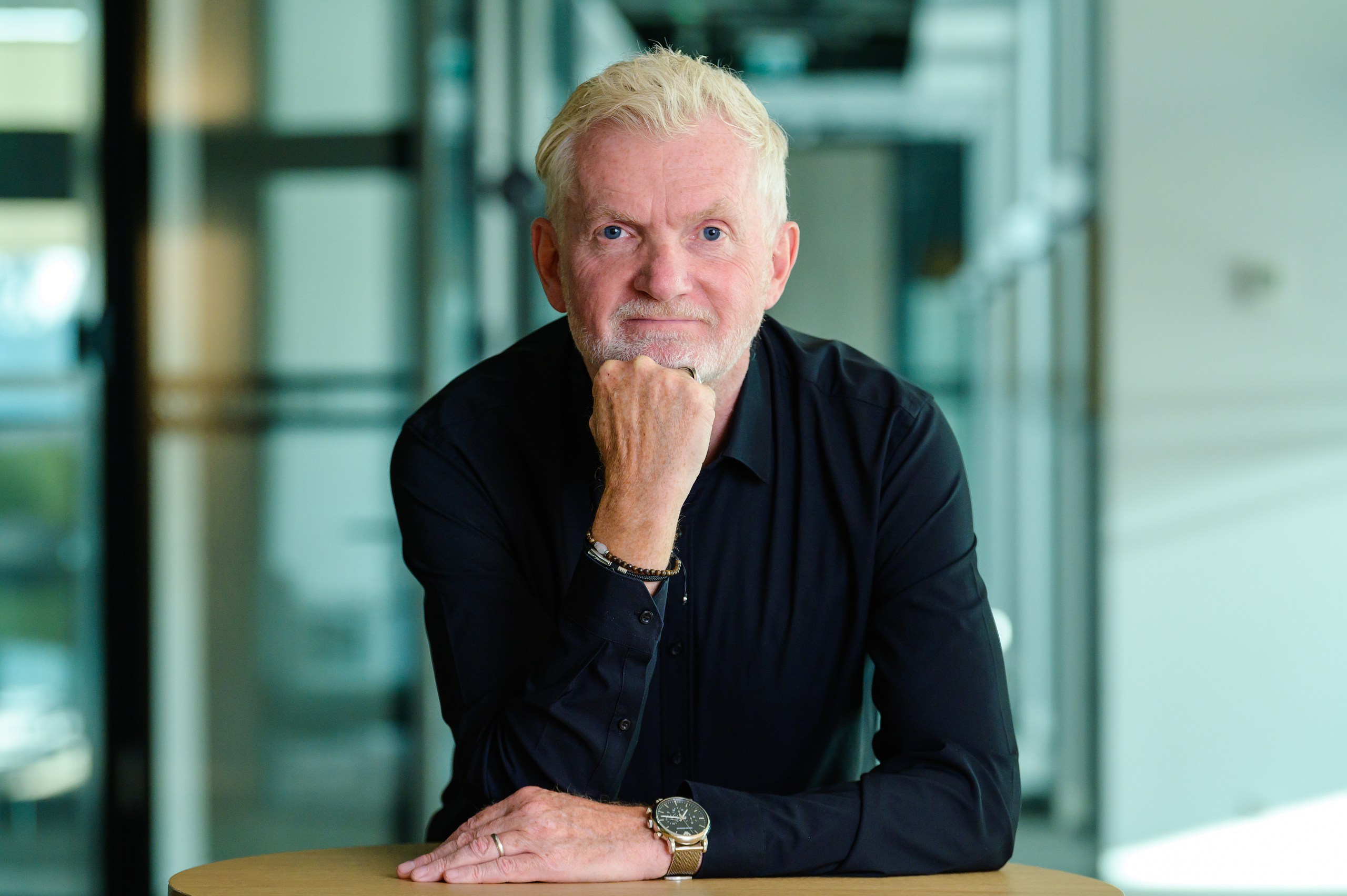
Colin Lovering
Lovering & Partners