
We operate in a world where many risks – climate stress, new technologies, geopolitical dynamics – do not come with solid historical data. Waiting for certainty is not an option.
Technical complexity is no longer a specialist concern at the edge of business strategy. It sits at the centre of transformation, resilience and competitiveness. In this conversation, Paul Johannes Spittau, Head of Group Carrier Relations and Mediation, at GrECo Group speaks with Gerald Netal, Head of Corporate Business at VIG, one of Europe’s major international insurance and financial services companies. Together, they explore why businesses need the confidence to act before certainty arrives and why better decisions begin with a clearer understanding of risk.
Where Courage is Tested
Spittau: We often talk about confronting technical uncertainty without resorting to fear or oversimplification. In your experience, where is that ability most tested in real corporate decision-making?
Netal: Most of all where time pressure meets uncertainty: when supply chains are fragile, geopolitical tensions rise, or major investments have to be made without full visibility. That is the point where companies either stay decisive or become trapped in analysis and caution.
For me, engineering courage means not postponing decisions, but making them consciously under uncertainty, based on a clear understanding of the technical reality.
Making the abstract concrete
Spittau: One of the things that comes up again and again is the link between technical and financial risk. It sounds straightforward in theory, but where does it become genuinely difficult in practice?
Netal: The difficulty begins where small technical causes can trigger major economic consequences. On paper, the connection is obvious. In reality, it only becomes meaningful once people see how quickly a technical issue can turn into a business problem.
I often see boardroom discussions change completely once technical risks are translated into financial scenarios. When a potential vulnerability becomes a quantified business interruption or earnings impact, decision-making becomes much clearer.
This is also where insurance plays a crucial role: it doesn’t just make risks visible; it makes them bearable. Many investments would simply not happen without that layer of risk transfer.
Spittau: And that is often the moment when the discussion changes at board level, isn’t it?
Netal: Absolutely. A production or infrastructure risk may first look like an operational issue, but once engineering insight translates it into downtime scenarios, supply chain disruption or revenue impact, it becomes a strategic discussion.
At that point, it’s no longer about “fixing a problem”; it’s about protecting earnings, resilience, and long-term competitiveness.
Courage under uncertainty
Spittau: That matters even more today because so many of the risks companies face no longer come with clean data or reliable benchmarks. How do organisations avoid paralysis when certainty simply is not available?
Netal: We operate in a world where many risks – climate stress, new technologies, geopolitical dynamics – do not come with solid historical data. Waiting for certainty is not an option.
The way forward is to work with structured scenarios rather than perfect data. But this requires clarity on one key question: what risks can and do we actually want to take as a company?
That’s both a financial question – capital, liquidity, earnings volatility – and a question of values, reputation, and strategic direction. Companies that understand these boundaries can act decisively without losing control.
Spittau: And that is where the distinction becomes important: when does courage stop being courage and start becoming recklessness?
Netal: For me, the difference is discipline. Courage is based on a structured understanding of uncertainty. Recklessness ignores it.
Companies that embed engineering expertise early can assess the range of possible outcomes and act consciously, not blindly.
Transformation pressure
Spittau: A lot of organisations are under pressure to transform quickly, but technical reality does not always move at the same pace. Where do you see the biggest tension?
Netal: I see a clear tension between the speed of transformation and the limits of physical reality. Companies are investing in new technologies, relocating production and redesigning supply chains; often faster than their risk frameworks can keep up.
The challenge arises when strategic ambition outpaces technical understanding.
Spittau: So, is the issue that organisations underestimate technical risk or that they misunderstand it?
Netal: In most cases, it is not underestimation. It is misunderstanding.
Dependencies in supply chains, failure modes in new technologies, or exposure to climate risks are often not fully understood. That’s why engineering insight needs to be part of the decision-making process from the start; not as a control function, but as an enabler.
Role of risk partners
Spittau: That also changes what companies expect from insurers, brokers and risk advisers. What do they need today that they did not need ten years ago?
Netal: Expectations have fundamentally changed. It is no longer just about capacity or price. With over 25,000 industrial clients – from local to global – we see that companies expect true risk partnership today:
- understanding complex technical risks ,
- translating them into financial decision frameworks,
- and actively supporting transformation.
Spittau: And to play that role, technical credibility is not optional.
Netal: Exactly. Without technical credibility, you are not part of the conversation.
Only if you understand what is happening on the ground – in plants, in processes, in projects – you can engage with CEOs and CFOs at eye level, and challenge assumptions when necessary.
Mindset shift
Spittau: If Engineering Courage means moving forward without false certainty, then leaders also need a different mindset. What still has to change?
Netal: The key shift is leaving behind the idea of complete certainty. Uncertainty is no longer the exception; it is the norm. Successful companies don’t wait for perfect information. They build decision frameworks and act.
Insurance plays a quiet but crucial role here: it expands the space for action. It allows companies to take risks they could not carry alone and makes investment and transformation possible in the first place. At the same time, it helps anchor these risks within a defined financial and value-based framework.
Spittau: And if you were speaking directly to executives who know that standing still may be the biggest risk of all, but still feel overwhelmed by technical complexity, what would you tell them?
Netal: Standing still is often the biggest risk today, but complexity can feel overwhelming. My advice is simple: don’t try to eliminate complexity; structure it. Define clearly which risks you can and want to take, financially and strategically. Bring in the right technical perspective, ask the right questions, and translate insights into action.
Engineering Courage is not about knowing everything. It’s about moving forward decisively under uncertainty, within a clearly defined framework, and with the right partners at your side.
About Gerald Netal
Gerald Netal took over the responsibility of the Corporate Business Department at Vienna Insurance Group (VIG) in 2019. Since then, the Portfolio has almost doubled, reaching a volume of approx. 2.3 bn Euro (2025). Gerald Netal holds multiple academic degrees; he has a robust dual background in engineering and management, bridging the gap between complex technical challenges and strategic commercial objectives.
About VIG
Vienna Insurance Group (VIG) is the leading insurance group in the entire Central and Eastern European (CEE) region. More than 50 insurance companies and pension funds in 30 countries form a Group with a long-standing tradition, strong brands and close customer relations. Around 34,000 employees in VIG take care of the day-to-day needs of approximately 36 million customers.
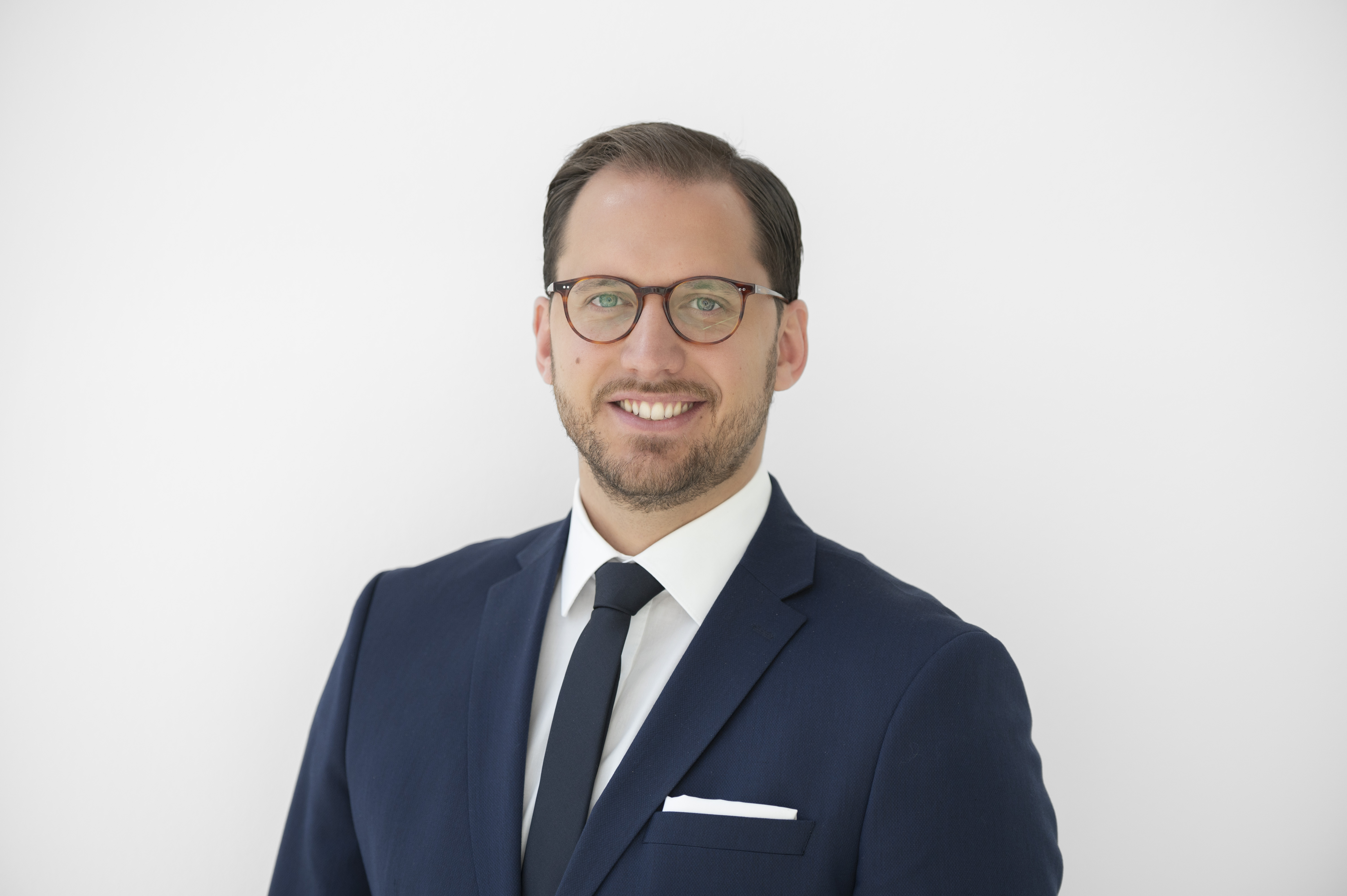
Paul Johannes Spittau
Head of Group Carrier Relations & Insurance Mediation
T +43 664 537 17 42
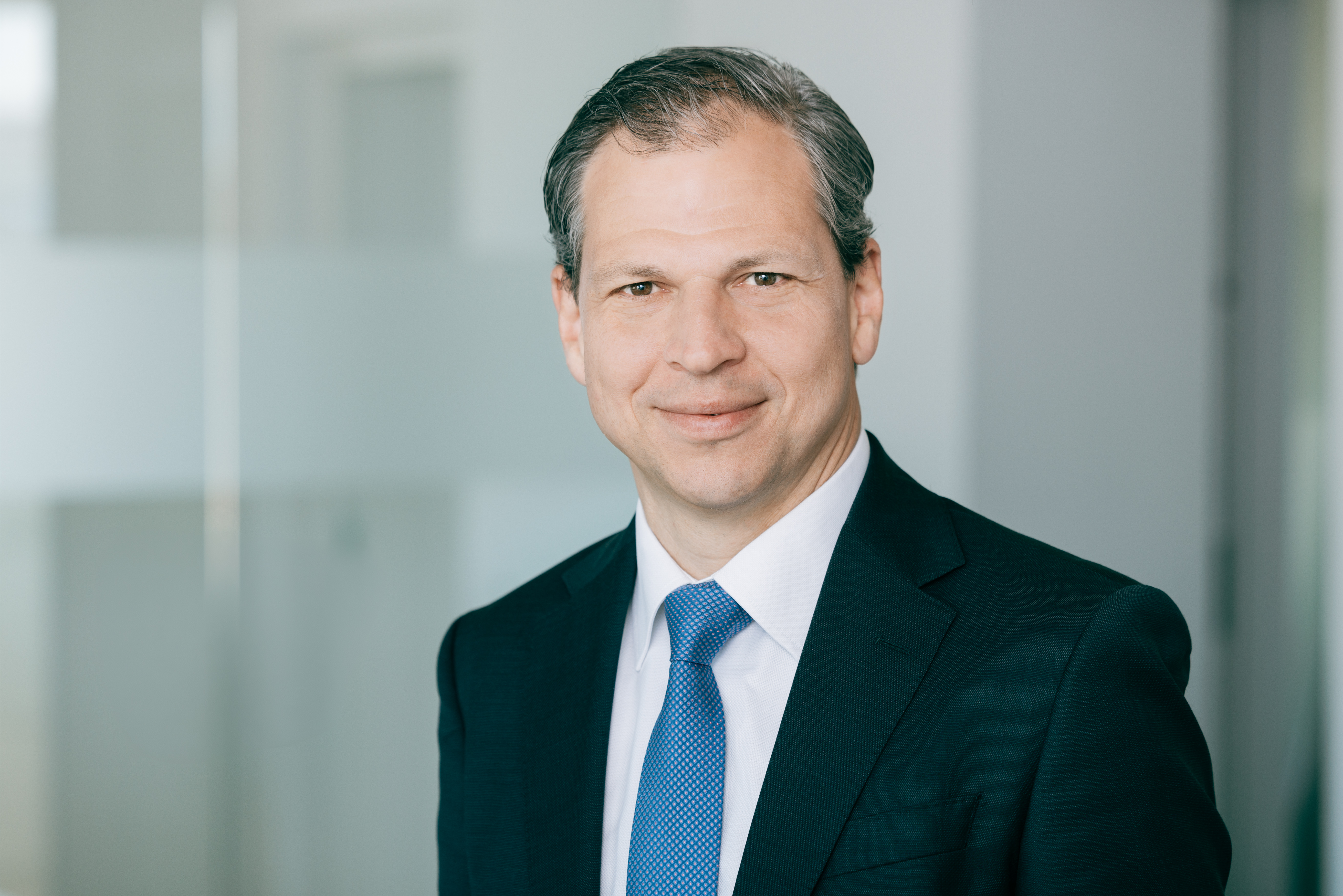
Gerald Netal
Head of Corporate Business
VIG