From one of the leading hotels in Innsbruck we learn how the world’s focus on ESG is affecting the hospitality industry and what businesses can do about the increased pressure to change.
The impact of climate change on the hospitality industry
Resch: How does climate change affect your business model/your industry?
Ultsch: Climate change is affecting all of us as individuals and as businesses. It is becoming more and more evident. You can see it’s affects in the increasing number of storms, or in the temperatures of southern Europe where the heat is gradually becoming unbearable. Yet, for us there is a silver lining – people want to escape the heat in the south in the summer, they look to the Alps as an alternative holiday destination. As with everything, there are winners and losers, however this does not mean we take climate change any less seriously.
The topic of snow is of course also relevant here, but I think for the next 20-30 years it will not influence our business model that much. Just think what it was like 50 years ago when there was no artificial snow: it was often very rare to be able to ski in the valleys.
Legal hurdles
Resch: What legal requirements with regards to the environment do you have to observe in your industry?
Ultsch: The hospitality industry, as with every other industry, is being challenged by the EU to improve our environmental footprint – reducing waste, conserving water, decreasing our carbon emissions, and improving our energy efficiency. In our industry you always have to distinguish between operation and design, or construction, all of which are very different things. The topic of “building services” is the topic par excellence currently in terms of costs. How can we build the most sustainable buildings cost effectively? How can we change our existing buildings and operational structures to meet environmental requirements without breaking the bank? And all within government guidelines and regulations?
The legal situation is different. Here in Austria, the situation is actually not yet that dramatic. Of course, many people are trying to include sustainability in their construction. But the hospitality industry is full of existing businesses where such things are not so easy to change. And here, of course, is where changes to the operational processes, can make all the difference. At our hotel we have worked hard to ensure all our operations are environmentally certified. They’ve all been awarded the Austrian Ecolabel and the EU Ecolabel certificate. To achieve this we did our homework and implemented as much as we could to improve our environmental footprint. What’s more, in the case of new buildings, whilst they are being constructed, we naturally strive to implement photovoltaics and district heating or deep wells as optimisations for energy issues. There are always things one can do to make a difference, no matter how small.
Energy conservation guidelines are a big consideration. We as a business can strive to conserve energy, but how we encourage and ensure our guests do the same whilst staying with us is another matter. It is very exciting how energy budgets are dealt with in Switzerland. For example, there, a house has a certain energy budget with which it must be heated and cooled. Air-conditioning is no longer an issue; people only talk about cooling. In other words, it’s all about the delta, the temperature difference between the outside and inside temperatures. Guests who are used to rooms with temperatures of around 20 degrees or even less, are unable to control that and that receives mixed feedback. As time goes on, this will certainly become an issue for the rest of Europe as well, but maybe by then we will have developed another system.
Is consumer behaviour driving the hospitality industry to be more sustainable?
Resch: Have you noticed a change in consumer behaviour?
Ultsch: It started a long time ago with towels which people left hanging-up so that they wouldn’t be changed by housekeeping. Over time this simple idea has evolved dramatically within the industry. For example, people now request not to have their room cleaned daily, and some guests even assume that there will be no cleaning at all during their stay. This is having a tremendous impact on our sustainability credentials – it is reducing the use of a lot of chemicals, cleaning products, water, and electricity. We’re increasingly finding that guests are quite willing to do without certain services.
Of course, consumers are interested in how we deal with the issue of sustainability. But as to how much this influences whether members of the public book a stay is questionable. We have seen however that it is most definitely a deciding factor for business travellers. Corporate customers demand certain standards in Austria – a hotel is also only a supplier in the supply chain after all. Businesses expect relevant seals of approval and we have met this demand by attaining EU certifications.

Meeting the demand for a more sustainable business: complete reinvention or minor adjustments?
Resch: What environmental adjustments have you already made and how are you finding them?
Ultsch: There are all sorts of environmental adjustments we have made from solar panels to improved waste disposal systems, but it varies from building to building. In buildings with mixed uses, such as in Hotel Adler, modifications are not always possible. We don’t have room for a photovoltaic system on the roof, for example. However, we have tried, where possible, to retrofit the building and the operations to be as environmentally friendly as we can. This also has an economic advantage, especially with the current energy prices! However, I believe even if energy prices normalise, there would still be a financial benefit in introducing them.
At Harry’s Home, we implemented a recycling system very early on so that guests could easily find recycling points throughout the building and could easily separate waste. There are a lot of hotels who are still having to set this up from scratch. We’re proud to say we implemented this system 15 years ago and we are reaping the benefits now.
Regional food and organic breakfasts have also been offered to our guests for a very long time and are things that now naturally pay off. Our carbon footprint has reduced significantly because about 80% of our goods and food come from within a radius of about 10 km.
Ruinous risks are coming faster than ever before
Resch: How do you assess the future risks in your business/your industry and how do you deal with them?
Ultsch: It is difficult to predict all risks because experience shows that they always hit us unexpectedly. It was once generally thought within the industry there would be a new unexpected major risk once every 10 years or so, but now this frequency seems to be increasing – the Corona pandemic, swiftly followed by the energy crisis is testament to just how fast new ruinous risks are arising.
Possibly one of our biggest every day risks relates to employees. There is simply a lot for the industry to do in this area, and we are probably only at the beginning of the entire entrepreneurial consideration of how to keep staff turnover to a minimum. Of course, the industry is not always an easy one to work in because of having to work in the evenings, at weekends, and during the holidays, but there are enough good people out there and if you treat them right, there are lots to choose from, especially if you consider that one wants to work less and the other more. With a bit of empathy about working hours and a bit of flexibility, there are many solutions to ensuring you keep the right team behind your business.
One area which we believe is of growing importance to retain good staff in hospitality is incentives and benefits. We generally tend to employ young people in traditional operational roles, and they expect to have some benefits along with the job. To retain these members of staff we must listen to what will incentivise them to stay and value their opinions.
About Harald Ultsch
Hotelier
Harald and Sonja-Sophie Ultsch are the fifth generation to run the Hotel Schwarzer Adler, Innsbruck. More than 100 years ago, the restaurateur Franz Ultsch acquired the house in Kaiserjägerstraße in Innsbruck. Since then, his two sons Florian and Fabian, as well as his daughter Valentina, have been actively involved in the business. Since 2014, Innsbruck’s beacon for modern hotel business and gastronomy, the ADLERS Hotel, has been rising impressively. In addition to the development and operation of new hotel concepts, they focus on their personal relationships with their guests.
In addition to the Schwarzer Adler, is the steadily growing chain of Harry’s Home hotels, which, since 2006, have been operating in thirteen locations in Austria, Germany, and Switzerland.
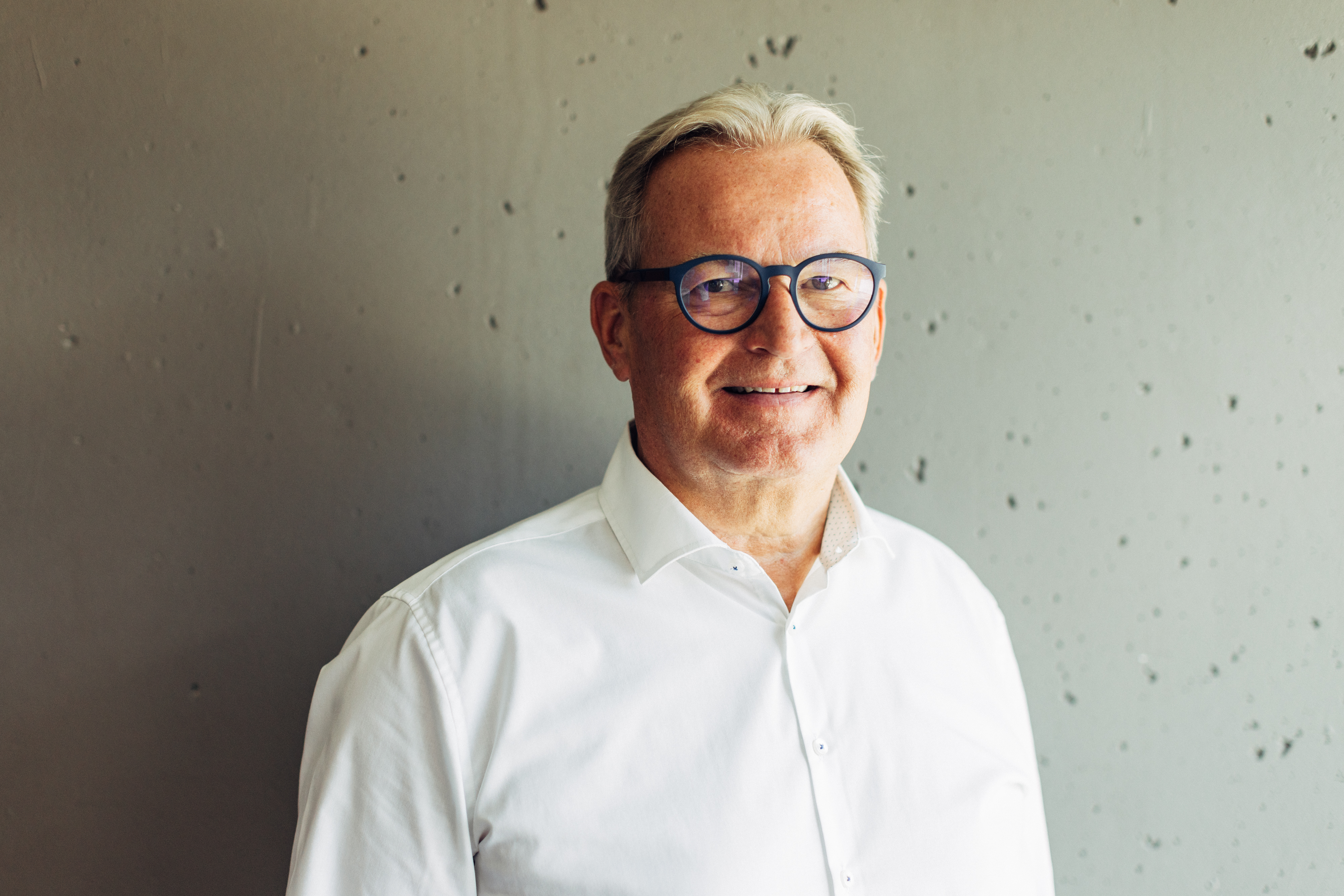
Harald Ultsch
Hotelier
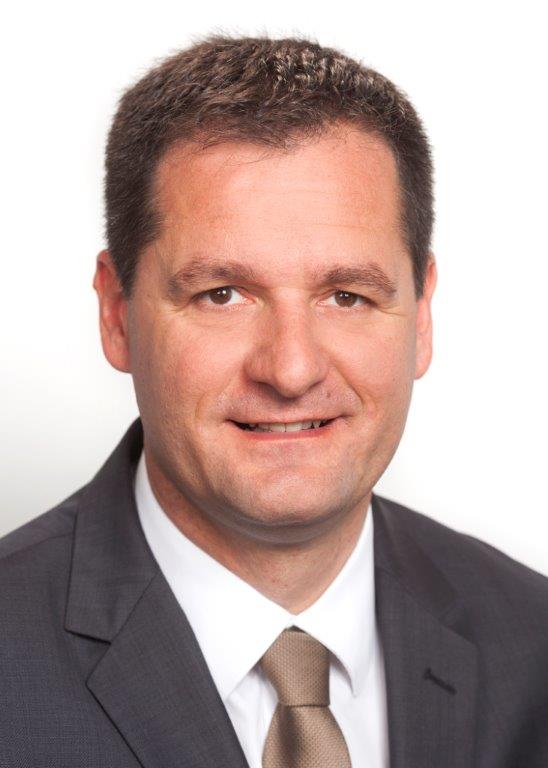
Reinhold Resch
Regional Manager Tyrol
GrECo Austria
T +43 664 96 23 905
Related articles
How Stability and Sectoral Growth Are Reshaping Argentina’s Corporate Risk
Argentina is experiencing economic reorientation, greater regulatory stability, and increased investment across sectors.
Jetzt vorbestellen: Health & Benefits Studie 2026
Jetzt vorbestellen: GrECo Unternehmensstudie zu Health & Benefits
Insured by Algorithms
The insurance industry is undergoing a profound transformation, driven by the rapid adoption of AI and predictive analytics.