
As Türkiye accelerates its digital transformation, the risk conversation is shifting just as fast. Paul Johannes Spittau, Head of Group Carrier Relations and Mediation at GrECo International, speaks with Burcak Alagok, General Manager of GrECo Türkiye, about what will matter most between 2026 and 2030, and what businesses can do now.
From efficiency to dependency: the technologies shaping 2026–2030
Spittau: When you look ahead to 2026–2030, which technologies will matter most for risk and insurance in Türkiye?
Alagok: The big ones are the technologies that change decision speed, create new dependencies, and make risk more visible. AI and automation are moving from “nice-to-have efficiency” to real decision engines in underwriting, claims, and operations. At the same time, cloud concentration risk is becoming a systemic issue: one outage can hit many companies at once. And with better data platforms and real-time analytics, risk management becomes more predictive, not just backward-looking. In Türkiye’s volatile environment, that’s quickly turning into a survival tool.
Risk mechanics are changing
Spittau: How is digital transformation changing the mechanics of risk, especially where technology, regulation, and business models collide?
Alagok: We’re clearly moving from isolated cyber incidents to connected, cascading events. Shared infrastructure like cloud and SaaS, plus tightly linked supply chains, means one failure can ripple fast. Regulation is also catching up, and that’s good for resilience, but it also makes weaknesses more visible and forces tougher conversations with insurers. The practical outcome is stricter underwriting: deeper questionnaires, more audits, more differentiation in pricing, and more exclusions around systemic risk. The message to businesses is simple: it’s not enough to transfer risk, you need to show you can manage it.
Where Türkiye is investing and how insurance demand is shifting
Spittau: Where do you see digital investment accelerating in Türkiye, and what does that change on the insurance side?
Alagok: We see the strongest acceleration in financial services, manufacturing and industrial businesses (especially where operational technology meets IT), and retail/ e-commerce. That drives demand for cyber insurance, often with a bigger focus on business interruption, plus technology errors and omissions, and topics like data integrity. But the bigger shift is qualitative: clients increasingly want “risk architecture” advice, not just a policy. They’re asking how resilient their model is, and what needs to change before renewal.
Regulation as a market catalyst
Spittau: Regulation is moving quickly across Europe. How is that playing out in Türkiye? Is it a constraint or catalyst?
Alagok: Definitely more catalyst than constraint. Even if local rules evolve at a different pace, internationally active companies here are already aligning with frameworks like DORA and the NIS2 direction, plus broader data protection and cybersecurity standards. The tough part isn’t the headline requirement, it’s the operational work: translating rules into technical controls, embedding them into daily operations, and keeping it consistent across systems. But it’s accelerating investment in resilience, and that changes how insurers assess and price risk.
What insurers want to see
Spittau: When you talk to cyber markets, what risk data and technical controls are really being rewarded right now?
Alagok: Underwriters are much more data-driven and selective. The basics are still non-negotiable: MFA across key systems, strong backups with recovery testing, segmentation (especially in industrial environments), and a real incident-response capability with tested playbooks. ISO 27001 or similar helps, too. What’s changed is the depth: it’s not about having controls “on paper”, it’s about proving they work and showing how quickly you can recover. In that sense, underwriting is becoming a quasi-audit.
What GrECo does differently: measurable improvement before placement
Spittau: Where do you see GrECo Türkiye creating the most impact for businesses in this environment?
Alagok: For us, the impact comes from moving beyond placement to measurable risk improvement. We help companies strengthen their cyber posture before we even go to market, structure programmes the way underwriters actually think, and build multinational solutions when exposures are complex.
Here’s a simple example with a large industrial client: we did a pre-renewal cyber assessment focused on operational technology exposure, backup architecture, and incident-response capability. Then we redesigned the insurance structure and went to insurers with a data-backed risk narrative. This meant the discussion was about resilience, not assumptions. The result was better coverage terms, less underwriting friction, and a more stable placement.
Digital transition isn’t a new source of risk – it’s a new way of understanding, managing, and outperforming risk.
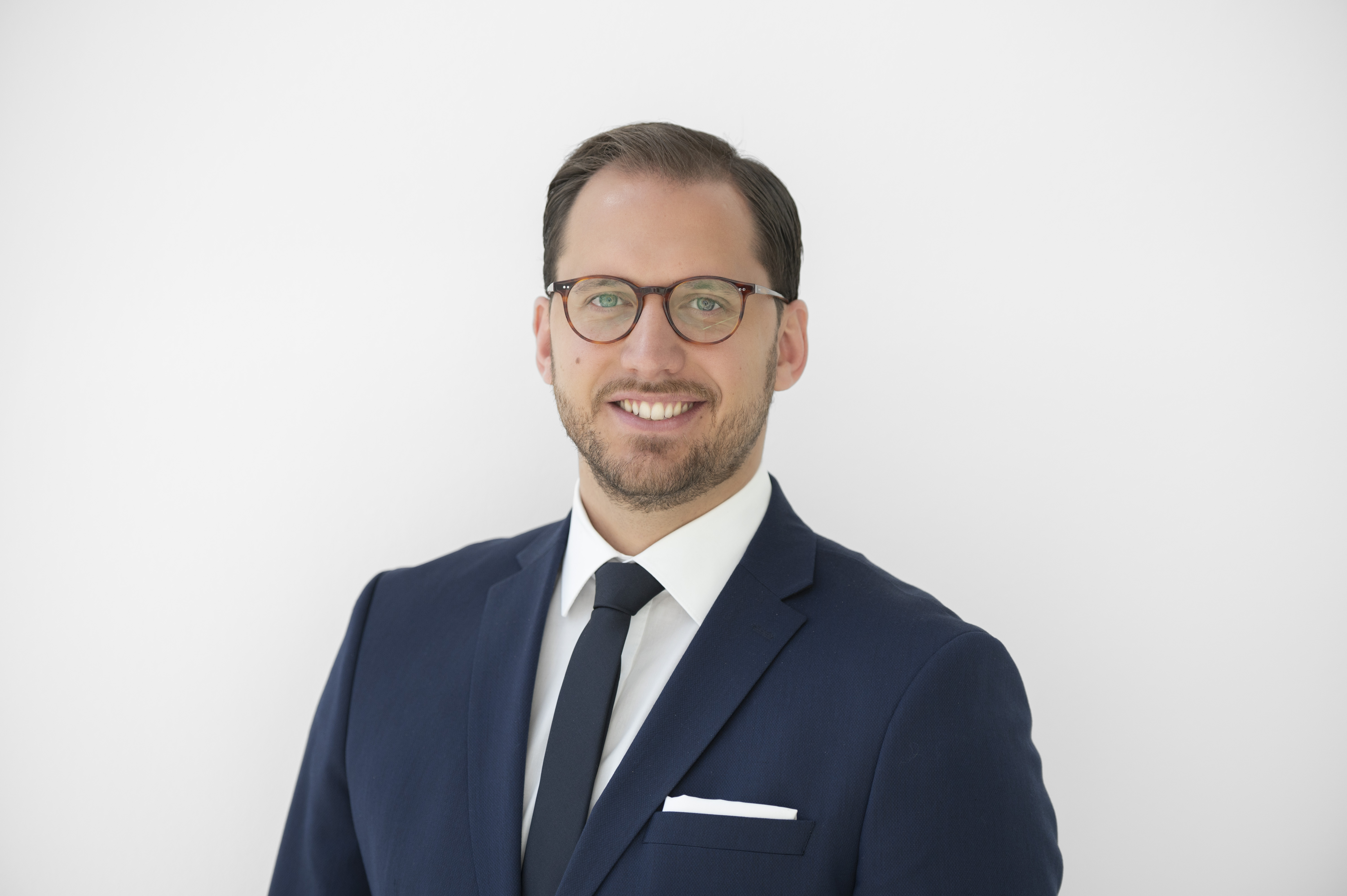
Paul Johannes Spittau
Head of Group Carrier Relations & Insurance Mediation
T +43 664 537 17 42
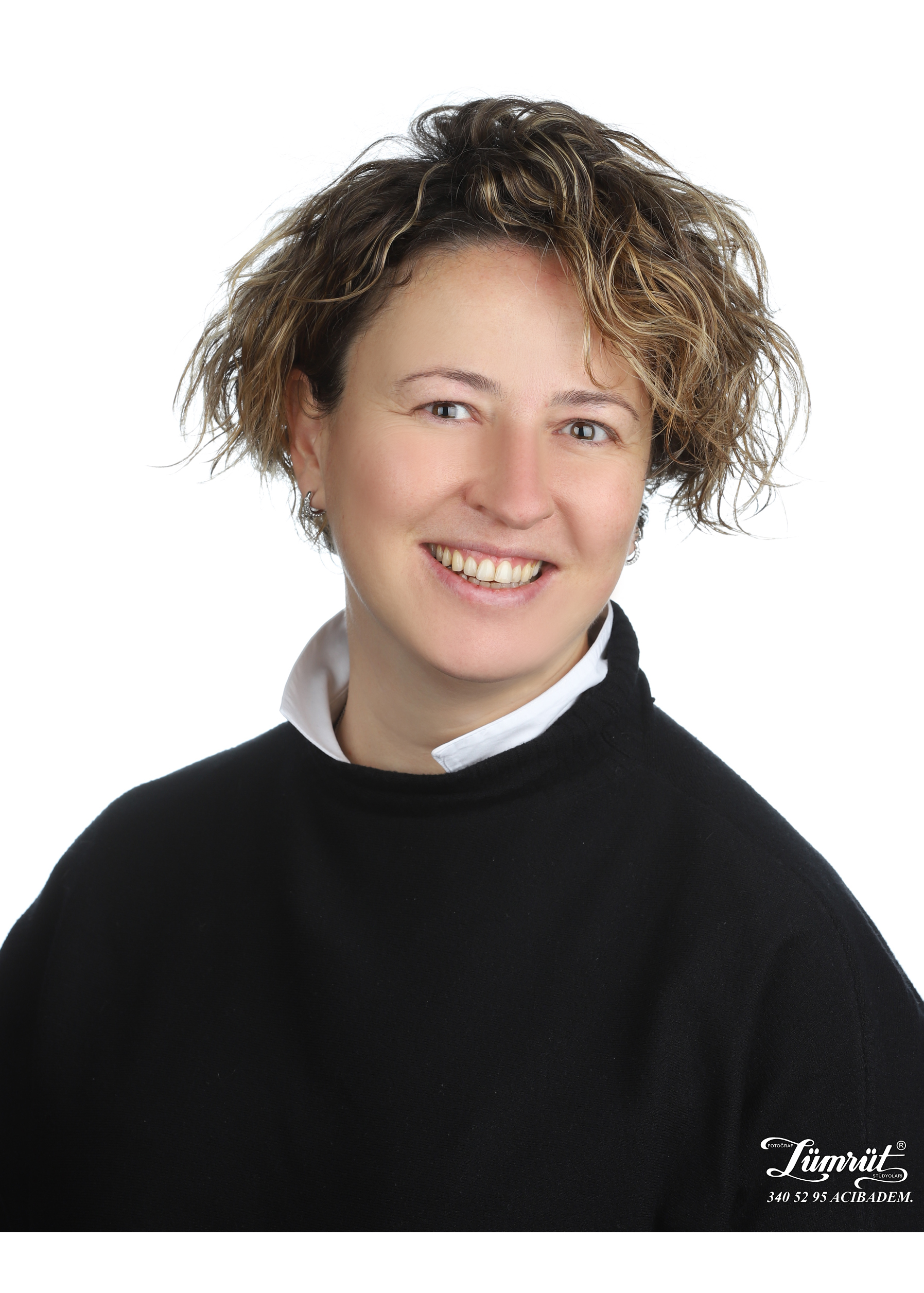
Burcak Alagok
General Manager
GrECo Turkey
T +90 216 468 30 01