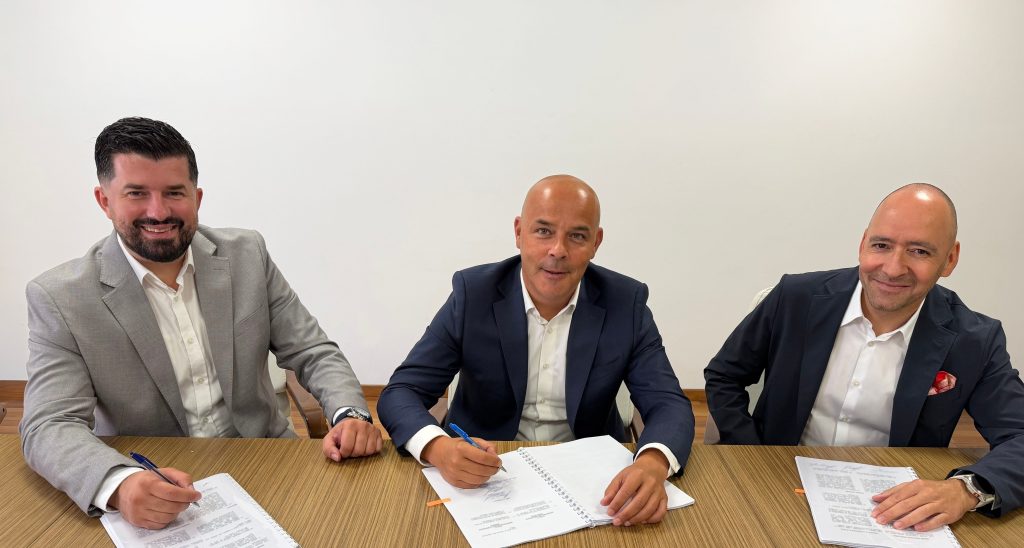

Against a backdrop of rapid demographic shifts and evolving workforce dynamics, Paul Johannes Spittau, Head of Group Carrier Relations and Insurance Mediation at GrECo International, sits down with Katerina Pavlidi, General Manager at GrECo Lithuania, to explore the social and economic forces set to redefine the Lithuanian corporate sector over the next decade.
Demographics, labour shortage, and shifting expectations
Spittau: Which social forces do you expect to become most critical between 2026 and 2030?
Pavlidi: The biggest ones are workforce ageing, ongoing labour shortages, and much higher expectations around wellbeing, fairness, and transparency at work.
Lithuania’s working-age population has been shrinking for years because of low birth rates and emigration. At the same time, growth and defence-related investment are keeping demand for people high, so the gap is becoming structural.
And people are also more willing to speak up. They care about pay equity, work–life balance, and psychological safety, and that brings more social and governance pressure for employers.
Spittau: Which country‑specific drivers stand out, why are they intensifying now, and which industries or organisational functions are most exposed?
Pavlidi: The ageing trend is the big underlying driver, and it’s intensified by low birth rates and continued emigration. You see it most clearly in manufacturing, logistics, construction, and healthcare, where it’s simply harder to fill shifts and keep experienced people.
On top of that, the skills gap is widening in ICT, engineering, energy, and healthcare; investment is moving faster than the talent pipeline. And because expectations are changing too, it lands heavily on HR and management, but also on compliance: policies, documentation, and how companies handle disputes and wellbeing are much more in focus.
Risk mechanics
Spittau: How are today’s labour market trends, political conditions, and economic pressures reshaping corporate risk profiles?
Pavlidi: It’s making “people risk” much more material. With labour scarce and wages rising quickly, companies are exposed if they can’t attract, retain, and lead their teams well. And at the same time, EU social policy and stronger local enforcement are raising the bar on what good employment practice looks like.
Alongside the traditional operational risks, boards are paying more attention to workforce stability, leadership quality, and culture because they directly affect performance, disputes, and ultimately loss events.
Spittau: What does this mean for insurance pricing, claims patterns, capacity, and policy wordings linked to people‑related risk?
Pavlidi: We’re seeing people-related issues show up more often in claims, especially in employers’ liability, D&O, and in health and accident covers. Stress, burnout, and workplace disputes are more visible than they were a few years ago.
Underwriters are responding by asking more detailed questions about HR processes, wellbeing programmes, and governance. And we do see wordings tightening, particularly around psychological injury, discrimination, and duty-of-care expectations, while pricing increasingly reflects how well a company manages its workforce risks.
Talent and investment shifts
Spittau: Which sectors are likely to see increased investment due to talent shortages, automation pressures, or shifts in labour mobility?
Pavlidi: We’re already seeing investment pick up in areas like manufacturing automation, energy and utilities, defence-related industries, ICT, and healthcare. The common thread is that labour is tight and expensive, so companies are putting money into productivity and automation.
At the same time, remote and hybrid models are changing where work is done, especially in tech and shared services, so location strategy is becoming part of the talent strategy.
Spittau: How is this affecting risk placement, employee benefits demand, and new insurance requirements?
Pavlidi: It’s pushing benefits up the agenda. Employers are looking more at supplementary health cover, mental wellbeing support, disability and accident insurance, and generally at more competitive packages to retain people.
From the insurer side, we also notice more attention on retention, absenteeism, and how benefits are managed when programmes are structured. And with hybrid work, new angles come in: cyber exposure, ergonomic risks at home, and the employer’s duty of care beyond the office.
Rules moving the market
Spittau: Which regulatory or legislative developments are having the strongest impact on companies?
Pavlidi: A few things stand out. The EU Pay Transparency Directive is a major one, and we’re also seeing labour law changes that increase employer accountability. On top of that, minimum wage and tax reforms expected from 2026 will have a real operational impact.
All of this increases reporting and documentation, and it forces companies to strengthen internal governance. In practice, they’re being asked to prove, not just say, that pay and employment practices are fair and transparent.
Spittau: What is driving compliance cost increases, and where are you seeing governance gaps?
Pavlidi: Costs go up mainly because obligations are expanding: more reporting, more documentation, and more scrutiny from labour inspections. That usually means extra tools, external support, and time from HR and management.
Where we see the biggest gaps is often in small and mid-sized companies – pay transparency processes, psychosocial risk management, and clear internal grievance channels. And those gaps can quickly turn into legal issues, reputational damage, and ultimately higher insurance risk.
Workforce data & resilience indicators
Spittau: Which types of people‑risk data are being most rewarded by insurers when structuring programmes?
Pavlidi: Insurers respond very well to clear, consistent workforce data; things like absenteeism and turnover trends, age structure, and of course claims history. It also helps when a company can show, with evidence, what it is doing on wellbeing and early intervention.
When HR analytics show proactive risk management – ergonomic assessments, follow-ups, and measurable actions – it can make a real difference to pricing and coverage terms.
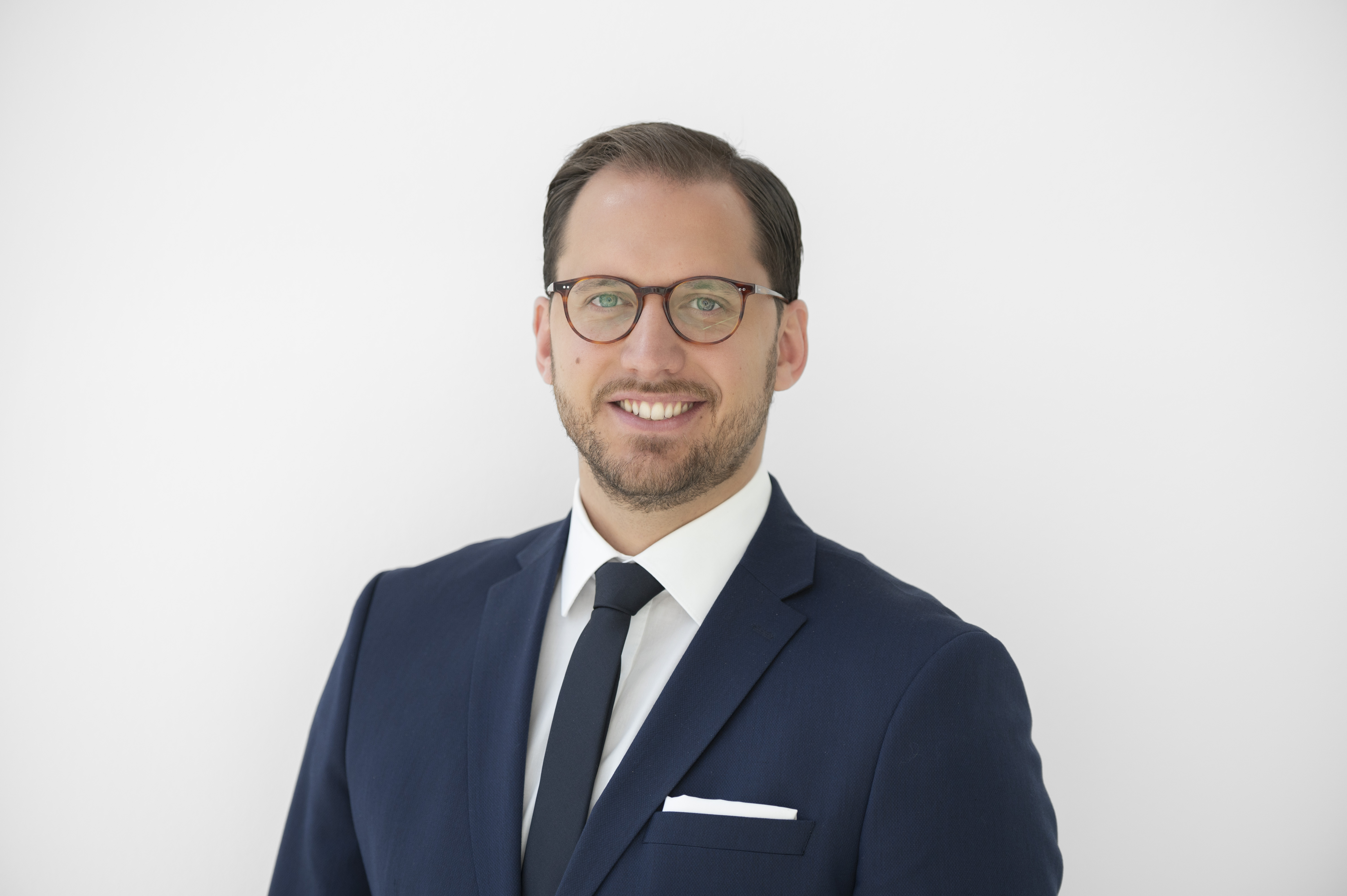
Paul Johannes Spittau
Head of Group Carrier Relations & Insurance Mediation
T +43 664 537 17 42

Katerina Pavlidi
General Manager
GrECo Lietuva
T +370 612 24 276