HORIZON Risk Thought >> Fast Forward

Die Komplexität der heutigen Risikolandschaft verändert sich immer schneller, was das Risikomanagement noch schwieriger macht. Wir gehen diese Herausforderungen an, indem wir grundlegende systemische Transformationen und ihre Auswirkungen auf das zukünftige Risiko- und Versicherungsmanagement in verschiedenen Sektoren beleuchten.

Im Kontext des Risikomanagements dieser systemischen Transformationen haben wir „Risk Changer“ klassifiziert, die sich direkt auf Unternehmen auswirken. Wir verwenden dafür folgende Begriffe:

  • „Environment in Danger“ für ökologische,
  • „Beyond Globalisation“ für geopolitische,
  • „Digital Transition“ für technologische und
  • „Social Disruption“ für soziale Transformationen.
Unter dem Titel „Social Disruption“ konzentriert sich HORIZON dieses Mal auf den sozialen Wandel und beleuchtet alle damit verbundenen Herausforderungen für die Geschäftswelt. In dieser Ausgabe erkunden wir das Zeitalter des Menschen und seinen Einfluss auf unsere zukünftigen Arbeitsumgebungen. Wir untersuchen, wie unser Verhalten die Risikolandschaft prägt.

In the risk management context of these systemic transformations, we classified these “risk changers” that directly affect a company and use the terms:

  • “Environment in danger” for ecological,
  • “Beyond globalisation” for geopolitical,
  • “Digital transition” for technological and
  • “Social disruption” for social transformation.

We have created Horizon, firstly as a print publication and now as a platform for sharing the latest insights about ongoing transformations. Our risk specialists will continue to provide their expertise and knowledge to shine a light on the challenges of the future.

Wir haben HORIZON ins Leben gerufen, um die neuesten Erkenntnisse über aktuelle Veränderungen zu teilen.
Unsere Risikospezialist:innen stellen ihr Fachwissen und ihre Kenntnisse zur Verfügung, um die Herausforderungen der Zukunft zu beleuchten.

Entdecken Sie ihre neuesten Erkenntnisse, Gedanken und Standpunkte oder wählen Sie aus unseren systemischen Risikokategorien, um mehr zu erfahren. Die Inhalte basieren auf dem gebündelten Wissen unseres internationalen GrECo Netzwerks. Aus diesem Grund sind einzelne Beiträge in englischer Sprache verfasst; ergänzend stehen weitere Artikel in deutscher Sprache zur Verfügung.

MGAs operate within authority granted by insurers, with responsibility for underwriting, policy issuance, portfolio management and, depending on the model, claims support or coordination.
Closing the volatility gap means moving beyond reactive risk transfer.
For both infrastructure and real estate to survive, the corporate risk manual needs to be rewritten.
AI can generate information for us, but we still need the intelligence and judgement to understand and interpret it for a particular client.  
Real cyber resilience begins when leaders stop chasing certainty and ask what they can still influence when control ends. 
Cyber property damage refers to physical damage caused by a cyber incident, including damage to machinery, infrastructure or stock. 
Finding the right speed and assessing the market correctly is the biggest challenge. Transformation must take place, but at what speed?
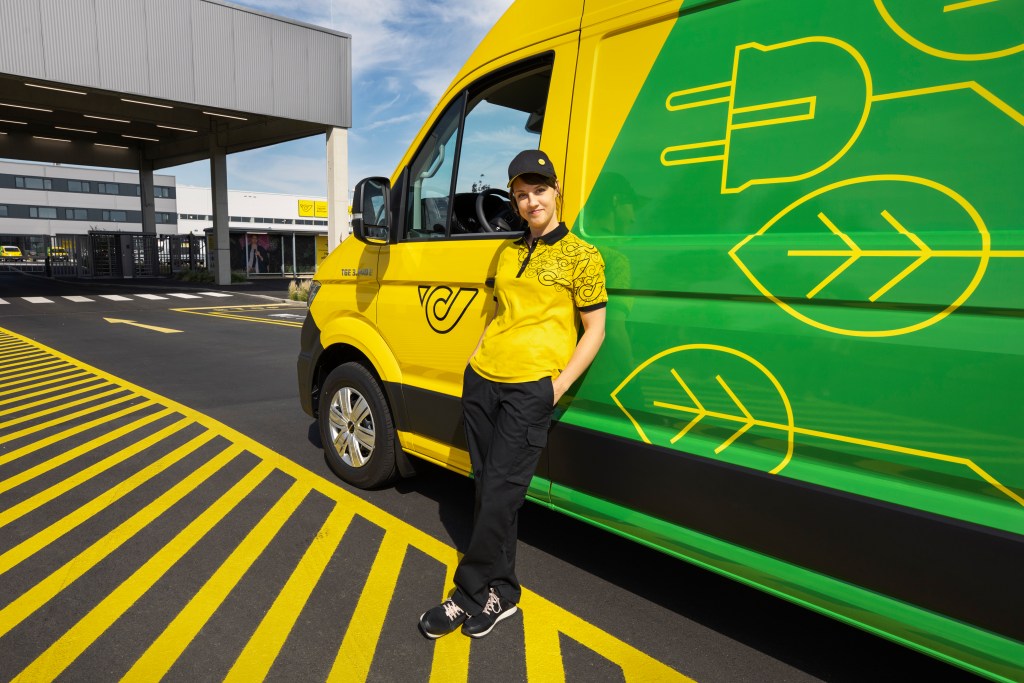
Austrian Post has laid the right tracks for vehicle fleet sustainability in the haulage and logistics industry with its future-oriented strategy.
Organic farming is not only about healthy food, but also about using practices that make our agriculture sustainable and resistant to climate change for many generations to come.
Despite Austrians receiving more and more parcels every year, by converting its fleet, Austrian Post AG is still managing to reduce its emissions.  Daniel-Sebastian Mühlbach, Head of CSR & Environmental Management, and Paul Janacek, Head of Group Vehicle Fleet at Austrian Post tell us how.
Ralf Mittermayr, CEO at Saubermacher AG, the most sustainable waste disposal company in the world (GRESB rating), discussed with Jürgen Spari, Regional Manager of GrECo Steiermark their zero-waste vision and what zero waste will mean for the insurance industry.
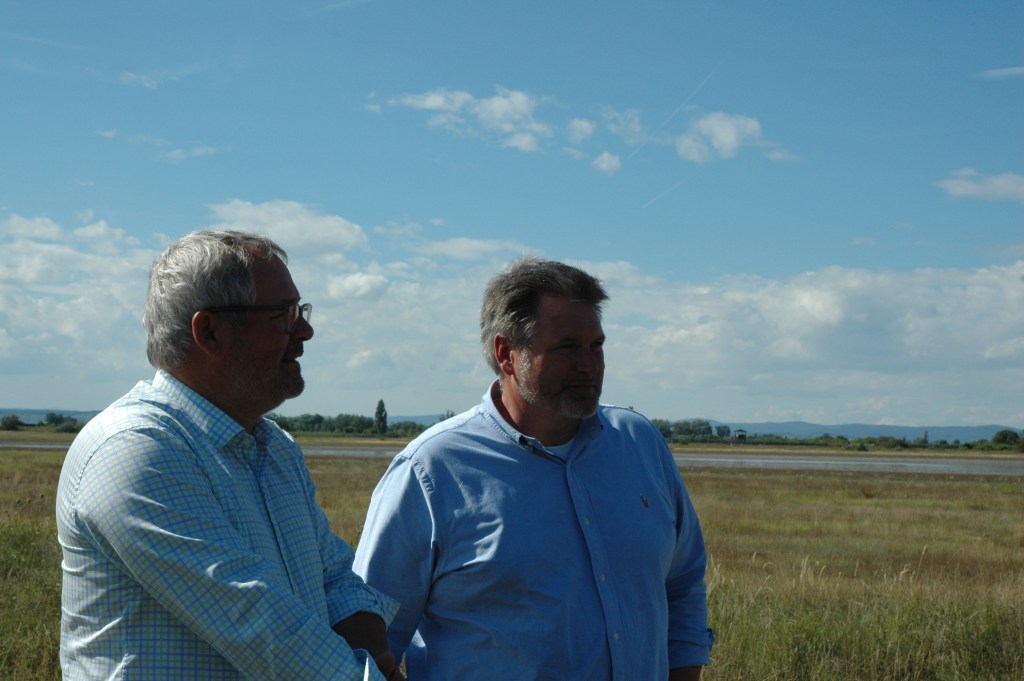
Times of climate change call for Johannes Ehrenfeldner, Director of Lake Neusiedl National Park, to address the restoration of biodiversity and ecosystems even more intensively.
Sabine Schellander, Co-Head of Sustainability at GREINER, describes why Greiner is sticking to a sustainable transformation process to create a circular company.
The analysis of natural disasters and climate risks is a new challenge for many companies.
Under the title “Environment in danger”, our upcoming HORIZON series concentrates on the ecological transformation and therefore looks at all its challenges from various angles.
Other crises, the climate crisis being a prominent example, are more likely to emerge as developments that gradually manifest themselves.
Huge change is happening in all sectors of the marine insurance sector and cargo risks and associated insurances.
State-sponsored cyber-attacks usually exploit infrastructure weaknesses, gather information or skim off money to recover losses from sanctions.
Nowadays, risk management is more in demand than ever. By working in tandem with clients the insurance partner can help to shape the future.
Companies are exposed to various kinds of risks. At the same time, systemic transformation exacerbates existing risks and causes new risks to emerge.
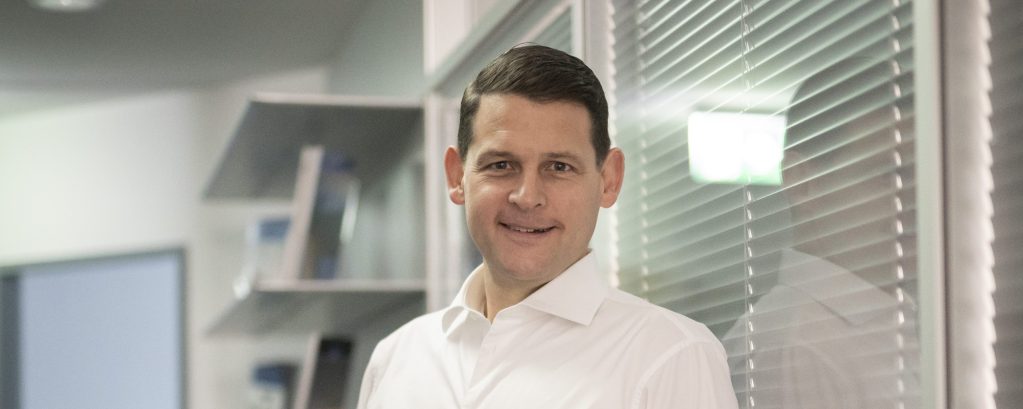
Michael Kolb, Board Member at Acredia, talks about the political effects of the energy crisis and situation of the former Yugoslavian countries.
For Erne Fittings, the world’s leading supplier of butt-weld fittings, every safe connection is a strong pillar of success in risk and supply chain management
How can we increase flexibility and financial resilience in an ever-changing economical and geopolitical environment
The international insurance industry is no longer willing to agree on coverage for Russia and Belarus. The options for coverage in Ukraine are very limited.
Jürgen Spari spoke to Georg Knill about the challenges of the energy transition for the industrial sector and the impact of the Russia-Ukraine conflict on domestic companies.
MGAs operate within authority granted by insurers, with responsibility for underwriting, policy issuance, portfolio management and, depending on the model, claims support or coordination.
Closing the volatility gap means moving beyond reactive risk transfer.
For both infrastructure and real estate to survive, the corporate risk manual needs to be rewritten.
AI can generate information for us, but we still need the intelligence and judgement to understand and interpret it for a particular client.  
Real cyber resilience begins when leaders stop chasing certainty and ask what they can still influence when control ends. 
Cyber property damage refers to physical damage caused by a cyber incident, including damage to machinery, infrastructure or stock. 
Finding the right speed and assessing the market correctly is the biggest challenge. Transformation must take place, but at what speed?
For industries to remain properly insured, we must be able to quantify the severity of a drought.

Tauchen Sie tief in unsere HORIZON-Printausgabe ein, die sich auf verschiedene Transformationen konzentriert und alle damit verbundenen Herausforderungen aus unterschiedlichen Blickwinkeln betrachtet.